The Enjambment Revolution: How Line Breaks Became Poetry's Most Radical Tool
Line breaks aren't just formatting choices—they're the secret weapon poets use to control your heartbeat, redirect your thoughts, and reshape meaning itself.
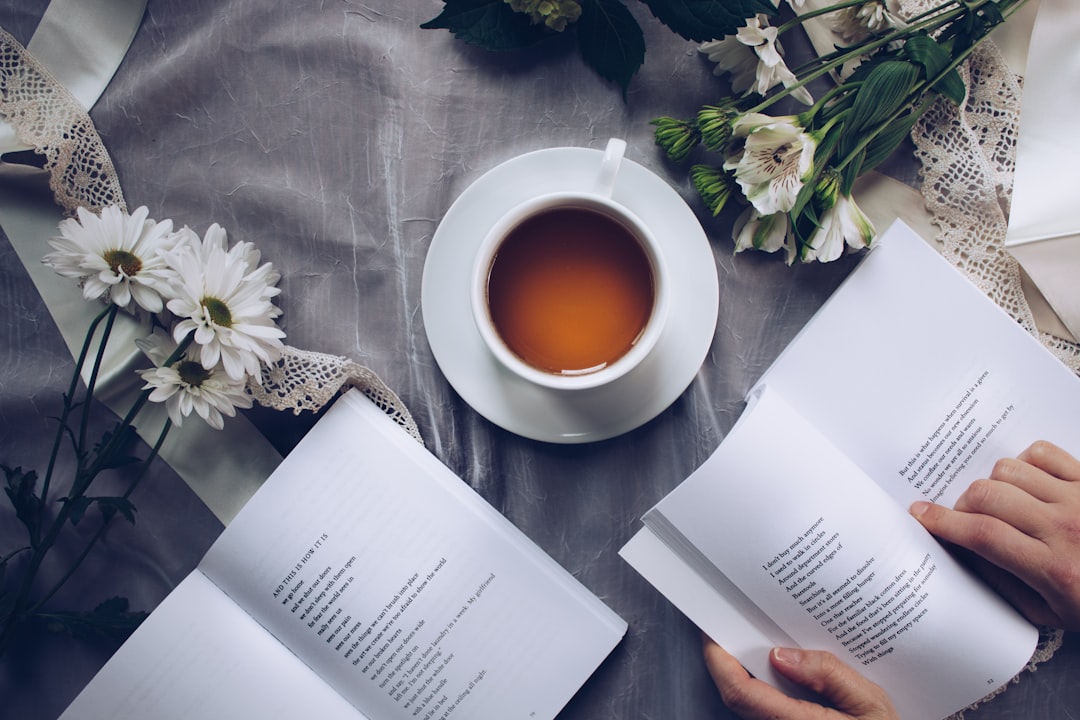
The Weird Magic of Found Poetry: How to Write Masterpieces from Other People's Words
Found poetry transforms mundane texts into stunning verses. Learn how to raid grocery lists, instruction manuals, and overheard conversations to create surprisingly moving poems.

The Ghazal's Obsessive Love: How Arabic Poetry's Greatest Form Conquered the Modern World
Discover how the ghazal—poetry's most addictive form—uses repetition and radical shifts to capture the chaos of desire. From medieval Baghdad to contemporary American verse, this ancient structure still breaks hearts.
The Enjambment Trap: Why Line Breaks Matter More Than Most Poets Realize
A masterclass in how the simple act of breaking a line can transform meaning, create tension, and manipulate your reader's breath—and why poets who ignore this tool are leaving power on the table.
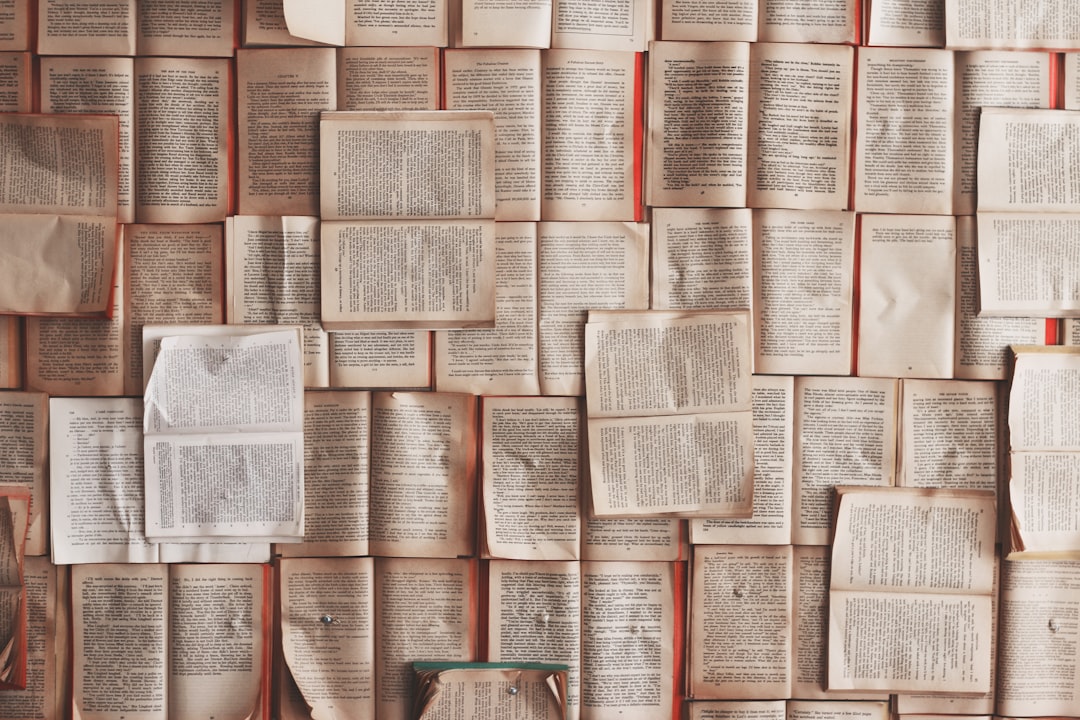
The Sonnet's Secret Life: Why 14 Lines Still Matter in the Age of TikTok
The sonnet refuses to die. Despite predictions of its obsolescence, poets worldwide are discovering that Shakespeare's 14-line form holds unexpected power for capturing modern heartbreak, rage, and resilience.
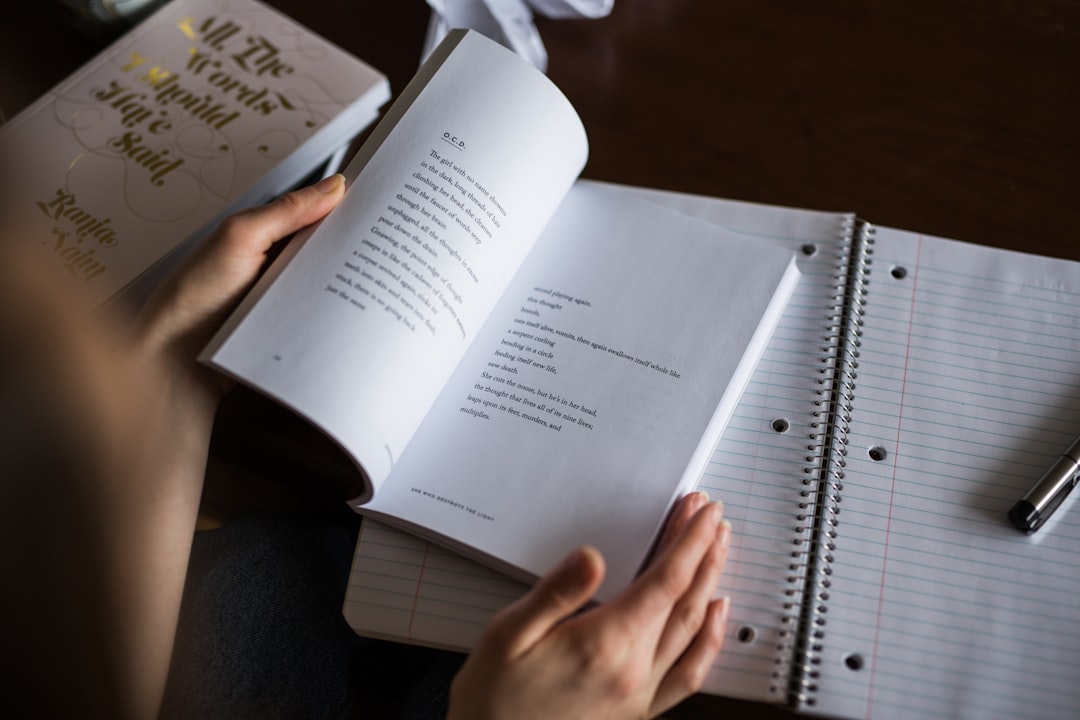
The Ghost Words That Haunt Poetry: Why Poets Fear Their Most Common Phrases
Every poet has them—those familiar phrases that creep into drafts like uninvited guests. Discover why breaking free from linguistic comfort zones transforms ordinary verses into unforgettable ones.
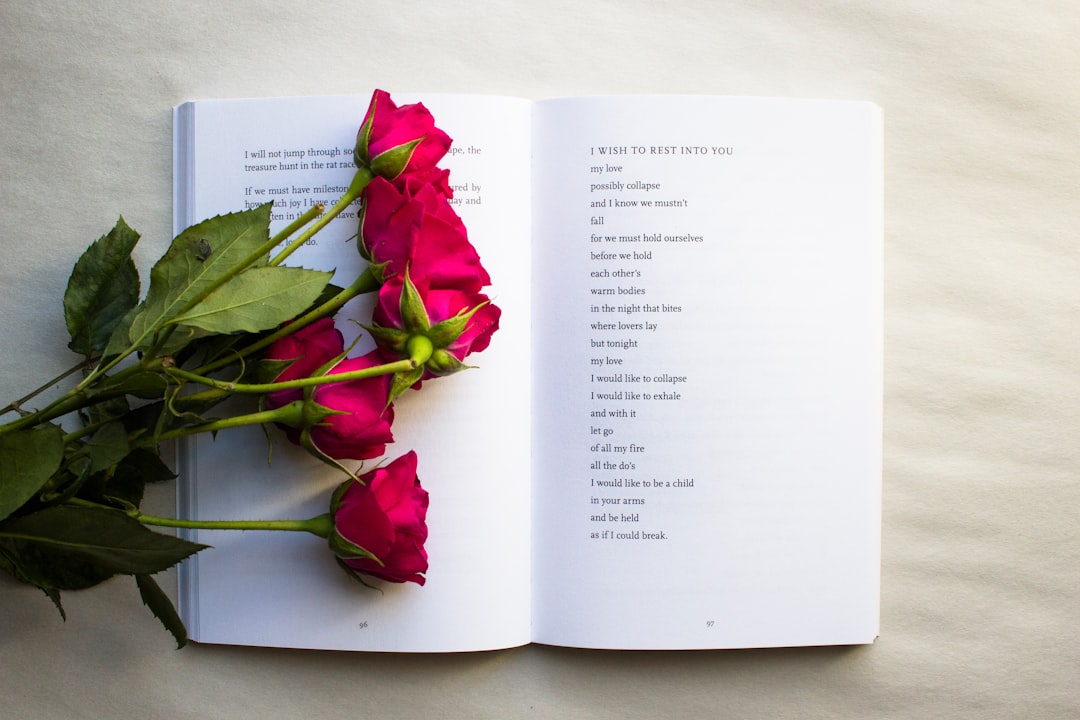
The Ghazal's Secret: Why This Medieval Form Is Suddenly Speaking to Modern Heartbreak
Discover how the ghazal—a 14th-century Arabic poetic form—became the unexpected voice of contemporary longing, trauma, and defiance.
The Ghazal's Secret: How an Ancient Form Became a Weapon for Modern Poets
Discover how the ghazal, a 5th-century Arabic poetic form, found new life in contemporary American poetry and why poets like Agha Shahid Ali made it essential reading.
The Ghost in the Machine: How Poets Use Absence to Create Meaning
What if the most powerful words in a poem are the ones that aren't there? Discover how silence, gaps, and strategic omission have become poetry's most underrated revolutionary tool.

The Unreliable Narrator in Poetry: When Your Speaker Can't Be Trusted
Poetry's most dangerous tool isn't metaphor—it's the speaker who lies. Discover how poets weaponize unreliability to shake readers awake.