When AI Becomes Your Unreliable Expert: How Language Models Convinced Us They Understand What They're Actually Guessing
Language models have mastered the art of sounding authoritative while being fundamentally uncertain. Here's what's really happening inside their black box.

Why AI Chatbots Sound Confidently Wrong: Inside the Overconfidence Crisis Nobody's Talking About
Language models don't just make mistakes—they make them with absolute certainty. Here's what's actually happening inside their neural networks, and why it's harder to fix than you'd think.
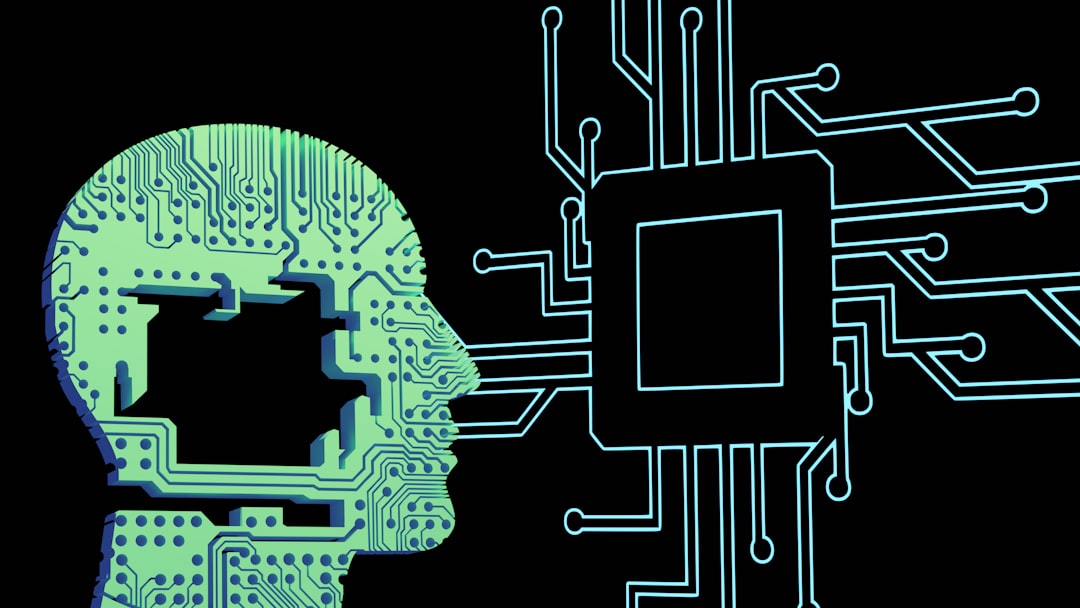
Why AI Keeps Confidently Describing Colors to the Blind: The Hallucination Problem Nobody Talks About
Large language models are getting better at sounding certain while being fundamentally wrong. We explored why—and what it means for the future of AI.

How AI Hallucinations Convinced a Lawyer to Cite Fake Court Cases (And What This Means for Your Industry)
A New York attorney discovered his AI assistant fabricated legal precedents. This isn't a minor glitch—it's exposing a fundamental flaw in how we're deploying large language models in high-stakes professions.

Why AI Can't Stop Lying to Your Face (Even When It Wants To)
Large language models generate confident-sounding falsehoods with alarming frequency. Here's what's actually happening inside the black box when your AI assistant invents facts.
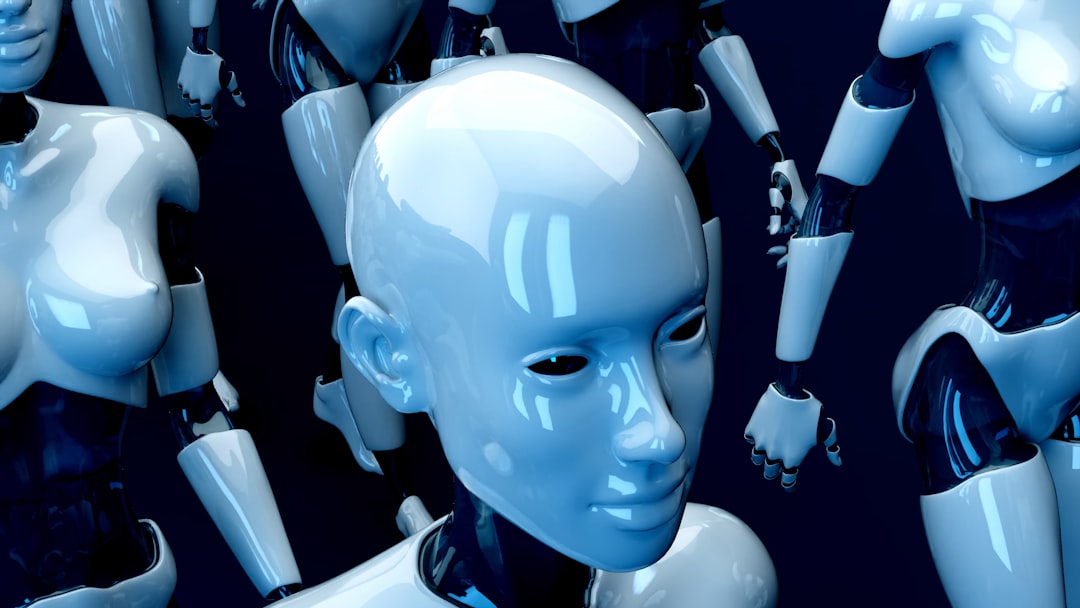
Why AI Models Are Getting Worse at Solving the Problems They Were Built For
As AI systems scale up, they're developing surprising blind spots. We investigated why bigger models sometimes fail at basic tasks their smaller predecessors handled with ease.
Why Your AI Chatbot Sounds Like a Teenager Pretending to Be an Adult (And How to Fix It)
Most AI assistants sound robotic and stiff because they're trained on data, not on how humans actually talk. Here's why personality in AI is harder than it looks.

Why AI Still Can't Understand Your Sarcasm (And What That Reveals About Human Intelligence)
Despite passing every benchmark, AI systems hilariously botch sarcasm. Here's why this seemingly simple problem exposes the real limits of machine learning.

Why AI Models Keep Confidently Lying to You (And Why That's Actually a Feature, Not a Bug)
AI systems aren't broken when they hallucinate—they're doing exactly what we trained them to do. Understanding why machines invent facts reveals uncomfortable truths about how we build intelligence.

Why AI Hallucinations Are About to Get Exponentially Worse (And What That Means for You)
As language models grow larger, their tendency to confidently fabricate information is skyrocketing. Here's why scaling up might be scaling up the lies.