The Umami Trap: Why Restaurants Make Your Home Cooking Taste Bland
Your kitchen lacks one secret ingredient that restaurants exploit relentlessly. Once you understand how umami works, you'll never taste food the same way again.
The Umami Conspiracy: Why MSG Got Demonized and Why Scientists Say You've Been Wrong About It
Monosodium glutamate became a four-letter word in Western kitchens, but neuroscientists and chefs are quietly proving that the backlash was built on bad science and casual racism.
The Strange Science of Why Cilantro Tastes Like Soap (And What That Says About Your Genes)
That polarizing herb on your plate isn't the problem—your OR6A2 gene might be. Here's the genetic truth behind cilantro hatred and why the soap taste is real.
The Secret Life of Fish Sauce: Why This Stinky Ingredient Is Having a Glow-Up
Fish sauce has gone from kitchen pariah to culinary darling. Here's how this pungent condiment became the umami weapon every serious cook needs.
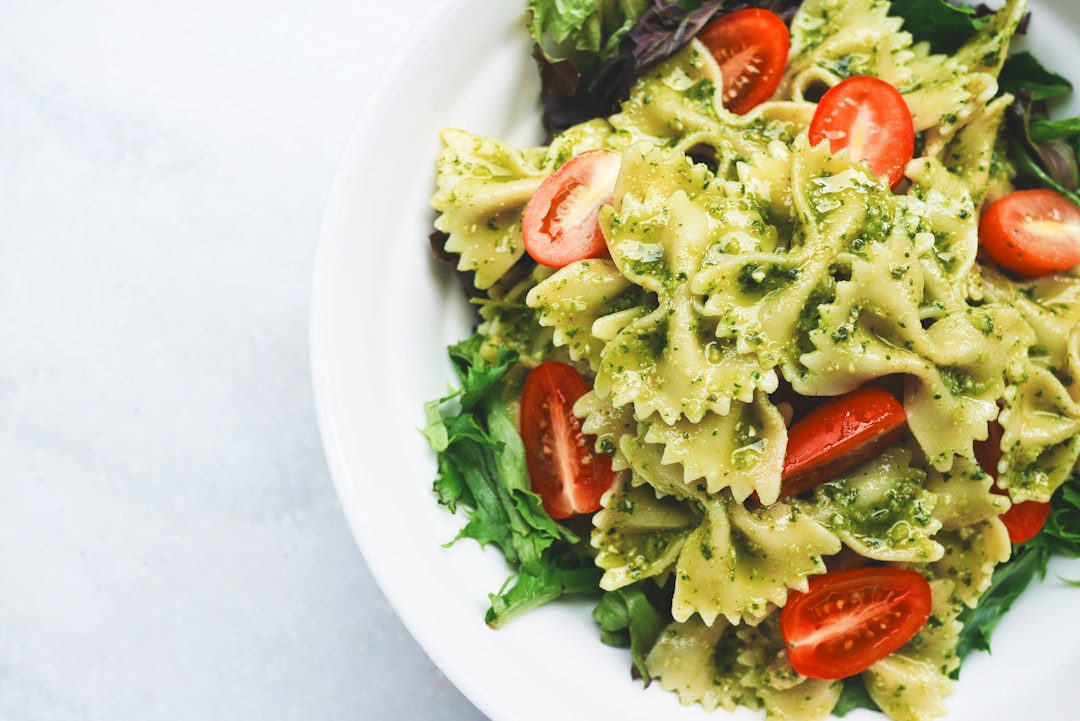
Why Fermented Hot Sauce Is the Condiment Your Kitchen Actually Needs
Forget store-bought heat. Fermented hot sauce builds complex flavor over weeks, not days, and turns your kitchen into a flavor laboratory.
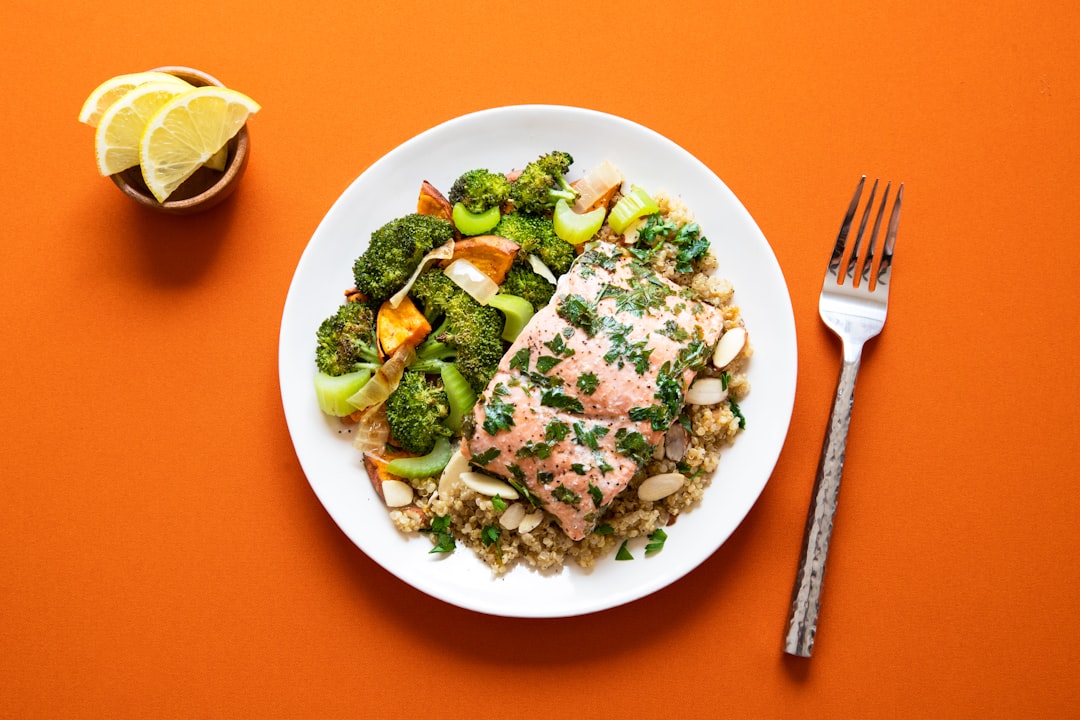
The Umami Trap: Why Your Home Cooking Tastes Flat and How MSG Actually Saves It
We've been taught to fear MSG for decades, but the science says otherwise. Here's why chefs secretly use it and how you can transform your cooking overnight.
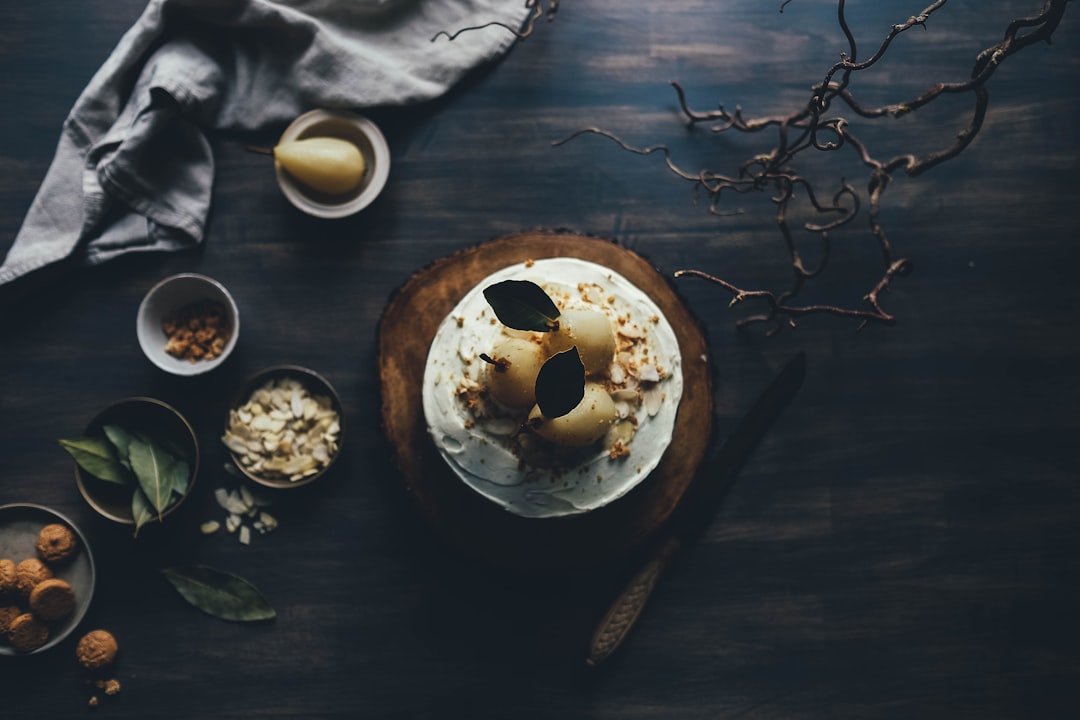
The Umami Conspiracy: Why Restaurant Food Tastes Better (And How to Fix Your Home Cooking)
Professional chefs aren't hiding secret ingredients—they're using science. Here's exactly what they're doing that your kitchen isn't.
The MSG Myth That's Ruining Your Home Cooking (And How to Fix It)
Monosodium glutamate isn't the villain your 1990s takeout menu warned you about. Here's why chefs are embracing it—and why you should too.
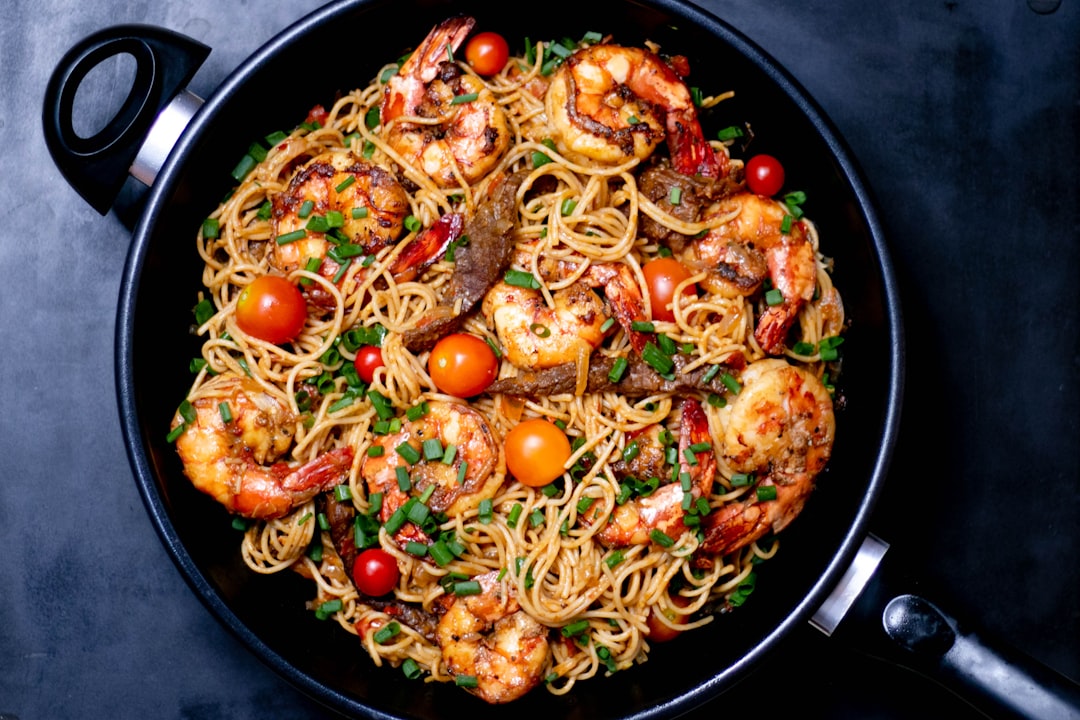
The Fermentation Revolution: Why Your Grandmother's Pickling Method Is Beating Modern Food Science
Fermented foods are experiencing a renaissance backed by serious science. Here's why your gut—and your taste buds—are asking for more.
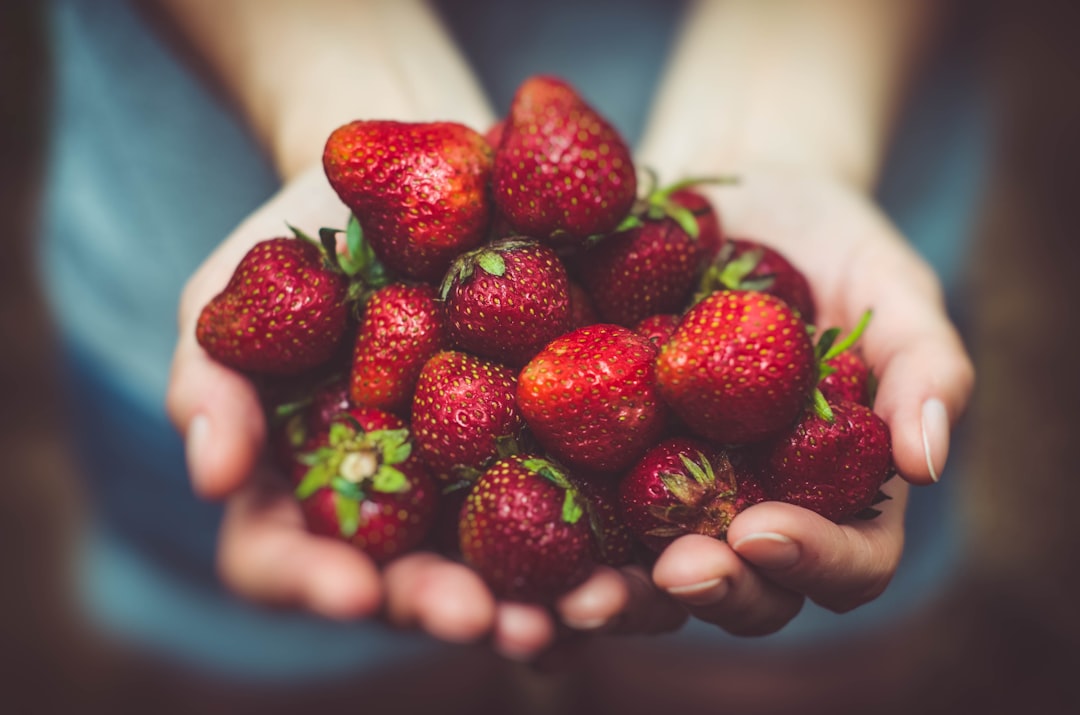
The Umami Trap: Why Restaurant Food Tastes Better and How to Stop Fooling Your Own Palate
Restaurants aren't using magic—they're weaponizing umami. Here's what they know about the fifth taste that home cooks ignore, and why your cooking might never compete.