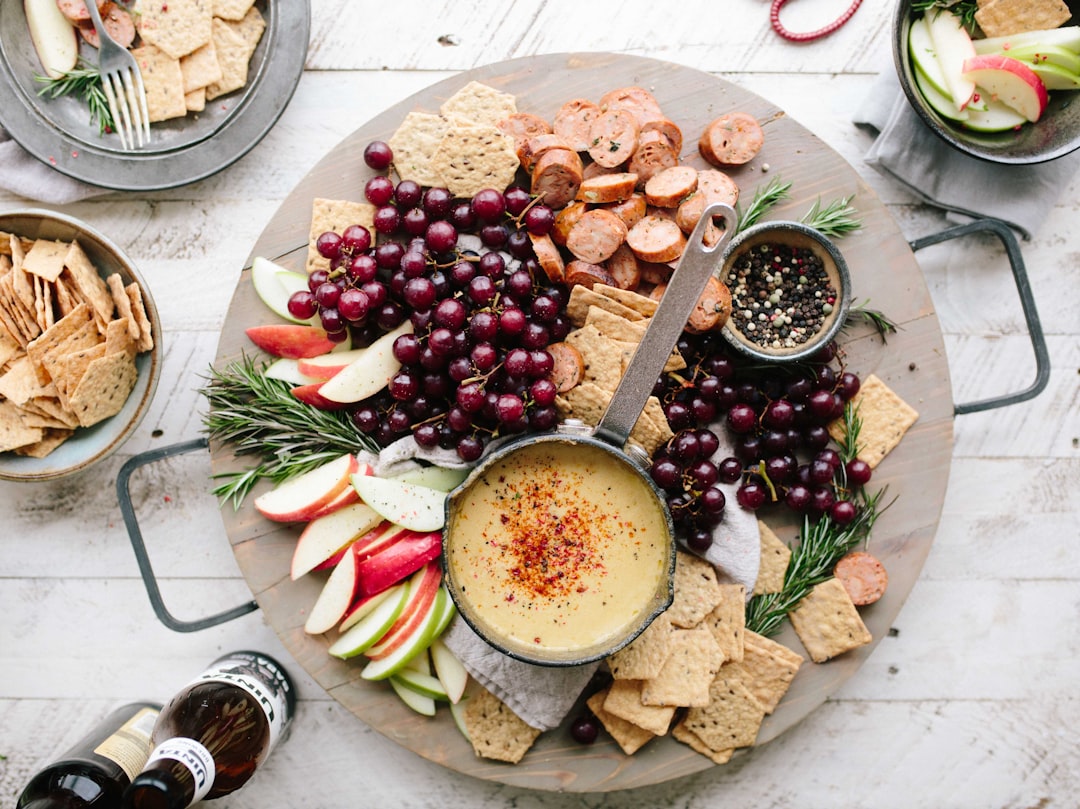
Photo by Brooke Lark on Unsplash
Last Tuesday, I made chicken soup from my grandmother's recipe—the same one that won her awards at county fairs. It tasted like hot water with sadness. Meanwhile, I'd eaten at a mediocre Italian chain restaurant the night before, and their minestrone tasted like pure comfort, like they'd somehow bottled flavor itself.
I wasn't going crazy. My kitchen wasn't broken. I was just missing umami.
Most home cooks understand salt, sweet, sour, and bitter. We've been trained since childhood to identify these tastes. But umami—that fifth taste sensation—remains mysterious, hidden, almost conspiratorial. Restaurants understand this perfectly. They've built their entire business model around it.
What Umami Actually Is (And Why You've Been Missing It)
Umami translates from Japanese as "pleasant taste" or "deliciousness." It's the sensation created by glutamates and nucleotides like MSG (monosodium glutamate) when they bind to your taste receptors. Unlike sweet or salty, umami doesn't announce itself loudly. It whispers. It makes you want another spoonful. It makes you close your eyes.
The scientific community didn't formally recognize umami as a distinct taste until 1985, even though humans have been experiencing it forever. Japanese chemist Kikunae Ikeda actually identified it in 1908 while studying why kombu seaweed broth tasted so deeply satisfying. He discovered that glutamates were responsible—compounds that naturally occur in aged, fermented, and protein-rich foods.
Here's what makes umami so powerful: your brain perceives it as a signal that food contains protein. When you taste umami, your body literally believes you're eating something nourishing. This is why umami foods are so crave-worthy. Evolution wired us to keep eating when we taste them.
How Restaurants Weaponize Umami Against Your Home Kitchen
Walk into any professional kitchen and you'll find ingredients most home cooks never use. Parmesan rinds get saved and simmered into stocks. Fish sauce appears in Thai curry. Soy sauce flavors even French sauces. Anchovies crumble into Caesar dressing. These aren't random traditions—they're deliberate umami bombs.
A restaurant's beef bourguignon might contain five distinct umami sources: the meat itself (naturally high in glutamates), beef stock (concentrated through hours of simmering), tomato paste (umami increases when tomatoes are concentrated), mushrooms (fresh button mushrooms contain about 140mg of glutamates per 100g), and red wine (fermented grapes develop glutamates). Your home version probably has two of these.
Consider what happens at a Japanese ramen shop. The broth simmers for 12-24 hours, concentrating glutamates. The toppings include soft-boiled eggs (cooked yolks are umami-rich), chashu pork (braised until deeply flavored), and nori seaweed (extremely high in glutamates). The chef might add a splash of MSG directly, something home cooks nervously avoid because of decades-old misinformation about the ingredient.
That misinformation is worth addressing briefly: the MSG scare of the 1970s had no real scientific basis. The FDA, after extensive research, declared MSG safe. Multiple peer-reviewed studies have found no connection between MSG and "Chinese restaurant syndrome." MSG is just a salt of glutamic acid—the same compound found in parmesan, tomatoes, and mushrooms. Your grandmother's "umami-rich" recipes contained glutamates; they just didn't call them that.
The Umami Ingredients Your Kitchen Is Missing
You don't need MSG to cook like a restaurant, though it doesn't hurt to have it on hand. You need the umami ingredients that create depth naturally.
Parmesan cheese should be a staple in every kitchen. Not just sprinkled on pasta, but added to soups, broths, and sauces. A small piece of the rind contains an enormous concentration of glutamates. One study found that aged Parmigiano-Reggiano contains over 1,200mg of free glutamates per 100 grams. That's more than four times the amount in fresh tomatoes.
Tomato paste is umami shortcut. Fresh tomatoes contain about 150mg of glutamates per 100g. Concentrate them into paste and you're looking at 500mg+ per 100g. A single tablespoon transforms a mediocre sauce into something restaurant-quality. I've started adding it to beef stews and even chili—not for tomato flavor, but for the umami base it creates.
Mushrooms, especially dried varieties like porcini, are umami powerhouses. Dried mushrooms lose water weight, concentrating everything else. A small handful of dried porcini adds more savory depth to a pot of soup than pounds of fresh mushrooms ever could. The liquid they're reconstituted in becomes liquid gold for risottos and sauces.
Fish sauce seems intimidating if you've never cooked with it, but even a teaspoon adds tremendous depth to any savory dish. This is a technique from Southeast Asian cooking that professional chefs now use across all cuisines. Start with a quarter teaspoon and taste carefully—a little goes absurdly far.
Soy sauce, miso paste, anchovies, Worcestershire sauce, and aged balsamic vinegar all contain significant glutamates. These aren't exotic ingredients anymore. Every supermarket carries them.
Building Your Umami Pantry Strategy
The difference between restaurant food and home cooking isn't technique or equipment. It's layering. Restaurants build umami systematically, stacking multiple sources throughout a dish. Your grandmother's chicken soup, delicious as it was, probably relied entirely on the chicken for umami. A restaurant's version would add dried mushrooms to the stock, a parmesan rind, perhaps a touch of soy sauce, and aged vegetables in the broth base.
Start small. Pick one dish you cook regularly and identify where you can add umami. Making tomato soup? Add parmesan rind and a spoonful of tomato paste. Braising beef? Throw in dried mushrooms and a splash of soy sauce. Stirring up chili? A teaspoon of fish sauce and some tomato paste would transform it.
You might also consider reading about how fermentation creates deeper flavors, since fermented foods like miso, soy sauce, and aged cheeses develop their umami through the same biological processes.
Your kitchen doesn't taste bland because you lack skill. You're just missing one fundamental principle that separates professional cooking from home cooking. Once you understand umami, once you start layering it deliberately into your dishes, that gap closes almost immediately. Your grandmother would be proud.
Comments (0)
No comments yet. Be the first to share your thoughts!
Sign in to join the conversation.