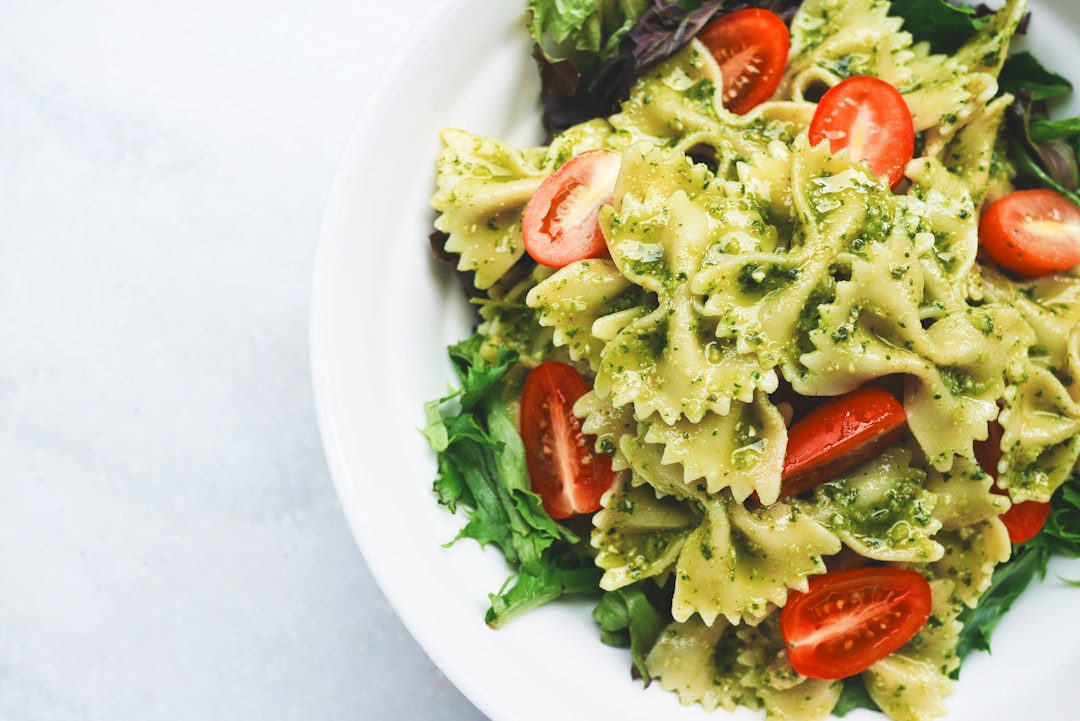
Photo by Eaters Collective on Unsplash
The first time you open a bottle of fish sauce, you understand why it has a reputation problem. The smell is aggressive—a funk that seems to assault your nostrils with the force of a thousand anchovy boats. Your immediate thought is probably the same one that's plagued home cooks for decades: "Why would anyone eat this?"
But then something magical happens. You add a teaspoon to a pot of soup, or whisk it into a dressing, or stir it into a braise. The funk disappears. In its place emerges something transcendent: depth, complexity, an almost mysterious savory note that makes people wonder what your secret ingredient is. This is the fish sauce paradox, and it's the reason this once-misunderstood condiment is finally getting its moment in the mainstream.
From Shame to Fame: Fish Sauce's Unexpected Comeback
Fish sauce isn't new. Not even close. It's been a cornerstone of Southeast Asian cooking for millennia, with origins tracing back to ancient Vietnam and Thailand. Some historians argue it's essentially the Asian equivalent of Worcestershire sauce or anchovy paste—condiments that seem revolting in isolation but transform dishes when used strategically.
For decades, though, fish sauce occupied an uncomfortable space in Western kitchens. It was the ingredient that made Thai food "authentic," sure, but it was also the thing you used in microscopic amounts, the smell that clung to your kitchen for hours, the substance that made you question your life choices. Ask any home cook who tried to make pad thai in the 1990s, and they'll probably have a story about their family complaining.
The shift started quietly. Celebrity chefs began using it openly. Food writers stopped apologizing for it. Data from Nielsen tracking shows that fish sauce sales in US grocery stores nearly doubled between 2015 and 2023, with premium brands like Red Boat and Three Crabs becoming household names. When the New York Times published an article in 2021 calling fish sauce "umami in a bottle," something clicked for the average American cook.
The real turning point came when people realized what fish sauce actually does. It doesn't make things taste fishy. That's the revelation that changes everything. Instead, it acts as an amplifier—think of it as turning up the volume on all the other flavors already present in your food. Add a teaspoon to beef stew, and suddenly the beef tastes more beefier. Use it in a chocolate cake, and the chocolate deepens in ways that seem almost impossible.
The Science Behind the Funk
Fish sauce is deceptively simple: it's just fish and salt, fermented together for anywhere from six months to two years. During fermentation, the proteins break down into amino acids, particularly glutamates and nucleotides like inosinate. These compounds are the molecular definition of umami—that fifth taste that exists somewhere between savory and sweet, the flavor that makes you crave another bite.
The smell, that infamous funk everyone jokes about, comes from volatile compounds released during fermentation. Dimethyl disulfide and dimethyl trisulfide—basically sulfur compounds—are responsible for that pungent, vaguely rotten aroma. But here's where the chemistry gets interesting: when you heat fish sauce or dilute it in liquid, these volatile compounds dissipate rapidly. The umami-giving glutamates and inosinate remain, unaffected and ready to work their magic.
This is why drinking fish sauce straight from the bottle tastes like a nightmare, but using a tablespoon in a gallon of broth transforms everything. The transformation isn't mystical. It's just chemistry doing its job.
How to Actually Use Fish Sauce Without Ruining Everything
The most common mistake people make is treating fish sauce like a seasoning, the way they'd use soy sauce. They add it at the end, tasting as they go, trying to find the "right" amount. This almost always ends badly because fish sauce is meant to be invisible, a background player, not a starring role.
The smartest approach is to think of fish sauce as a tool for enhancing existing flavors. Use it in tomato-based dishes—about a teaspoon per quart. Add it to beef broths and meat gravies. Incorporate it into salad dressings where acidic ingredients like lime juice or vinegar already live. These are environments where fish sauce feels comfortable, where it can do its work without drawing attention to itself.
Start small. A quarter teaspoon in a large pot of soup. A few drops in a salad dressing. You're looking for the moment where all the flavors suddenly feel more like themselves, more defined, more delicious. You shouldn't be able to identify fish sauce as a distinct taste. If you can, you've added too much.
This is why understanding fermented ingredients and their roles in cooking matters so much. Fish sauce, like kimchi and other fermented products, works best when you understand not just the "how" but the "why."
The Quality Divide: Not All Fish Sauce Is Created Equal
Walk into a well-stocked Asian market and you'll notice something: fish sauce prices vary wildly. You can find bottles for $2, and you can find bottles for $12. The difference isn't just marketing.
Premium fish sauces, like Red Boat or Three Crabs, are usually made from fewer ingredients and aged longer. They tend to have cleaner flavors, with less of that aggressively funky quality that makes novices nervous. Budget fish sauces often contain added sugar and preservatives, which can make them cloying in cooking.
For most home cooking, mid-range options are fine. Look for bottles with just two ingredients: fish and salt. If you're making Vietnamese pho or authentic Thai curry, invest in the good stuff. If you're adding a teaspoon to a beef stew, save your money.
The Future of Fish Sauce in American Kitchens
Fish sauce is no longer a secret weapon. It's becoming mainstream, normalized, integrated into how Americans cook. Restaurants across every cuisine—from Italian to Scandinavian to Southern—are quietly incorporating it. Home cooks are discovering that a splash can elevate everything from chili to chicken soup to chocolate desserts.
The funk that once made people gag is now a mark of authenticity, a signal that you're cooking with real ingredients, the way people have for centuries. That's the real transformation. Not the smell getting better, but our understanding of what it means finally catching up to the reality of what it does.
Comments (0)
No comments yet. Be the first to share your thoughts!
Sign in to join the conversation.