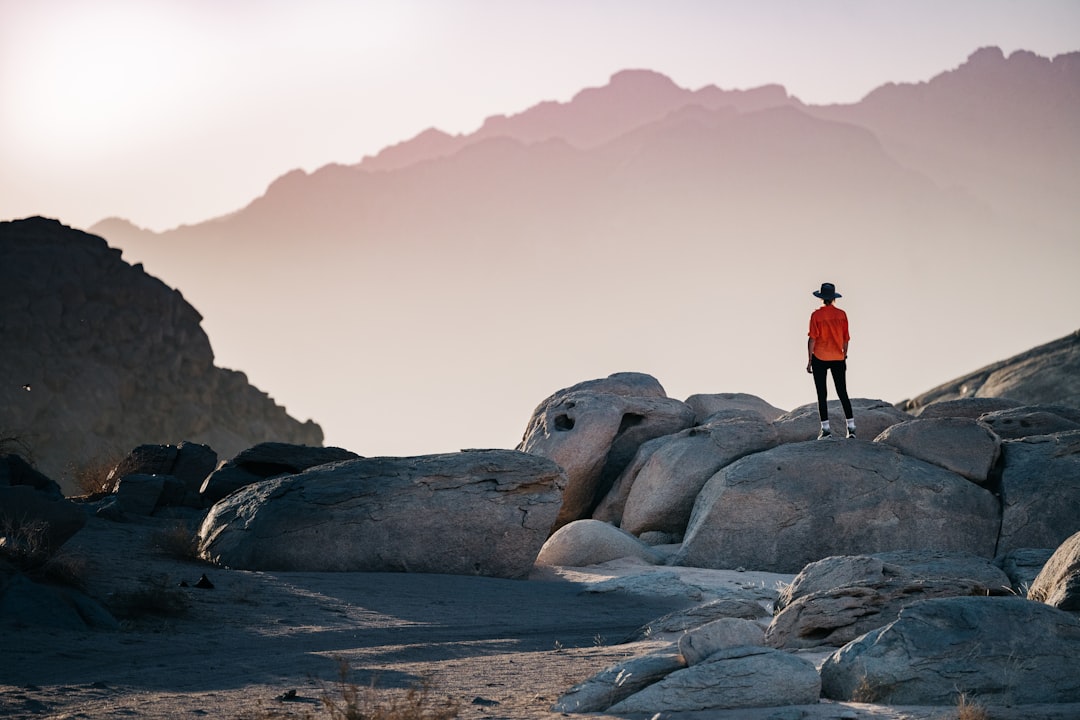
Last spring, I bought a one-way ticket from Budapest to Bucharest with nothing but a backpack, a half-charged phone, and absolutely zero plan beyond "get on the train." It was either the best decision I'd made in years or the worst. Spoiler: it was definitely the former.
Most travelers to Eastern Europe follow the same well-worn path—Prague to Vienna to Budapest, rinse and repeat. But here's what nobody tells you: the real magic happens on the trains running between the smaller cities, where you'll find yourself sharing a compartment with a retired schoolteacher from Transylvania, a university student heading home for the weekend, or a businessman with an inexplicable obsession with 1990s American sitcoms.
The Train System Nobody's Talking About
Eastern Europe's rail network is honestly incredible. For about $15 to $40 per journey, you can travel between countries on trains that are cleaner and more punctual than you'd expect. The ÖBB (Austrian Railways) runs reliable services through Hungary and Romania. Czech Railways connects Prague to smaller Bohemian towns like Český Krumlov. Poland's PKP system connects Warsaw to the Baltic coast and down toward the Carpathians.
What strikes most travelers is how affordable it all is. A nine-hour overnight train from Warsaw to Kraków costs roughly the same as a decent dinner in Manhattan. The trains themselves vary—some have sleeper cars with real beds, others have reclining seats that are surprisingly comfortable if you don't expect luxury. But that's actually part of the charm.
The real perk? These routes avoid the tourist industrial complex entirely. You won't find crowds of Instagram influencers photographing themselves at random train stations. Instead, you get authentic glimpses of how people actually live in these countries.
The Cities Everyone Misses
While everyone's fighting for space in Prague's Old Town Square, there's a centuries-old city called Lviv (in Ukraine) where café culture rivals Vienna's, and practically nobody from the West shows up. There's Brno, Czech Republic's second city, with baroque architecture and a food scene that makes Prague taste like it's trying too hard. There's Wrocław in Poland—a city so beautiful it's nicknamed the "Venice of Eastern Europe"—that somehow remains refreshingly un-overrun with tourists.
I took a train from Budapest to a small town called Pécs and spent three days wandering the Ottoman-era ruins, eating paprika everything, and having conversations in broken English and enthusiastic hand gestures with locals who seemed genuinely delighted to have a visitor. The entire trip cost about $80 including food and lodging.
This is the dirty secret of Eastern European travel: the best experiences aren't in the guidebooks because nobody's writing about them. Once you're there, though, the proof is obvious. Medieval town squares. Museums with admission prices measured in single digits. Food that tastes like someone's grandmother spent all day making it. Because often, she did.
How Train Travel Changes You as a Traveler
Here's something that happens when you take trains instead of flying between cities: you actually see the space between places. You watch the landscape transform gradually. You notice when you cross borders. You meet people in transit, which sounds mundane but is actually where the best travel stories originate.
On a train from Kraków to Budapest, I sat across from a woman named Agnieszka who was returning to her hometown in rural Hungary after working in London for fifteen years. She spent four hours telling me about her village, the annual grape harvest festival, and why she'd decided to move back despite better pay opportunities abroad. None of this information appears in travel guides. But it's infinitely more useful and real than any "Top 10 Things to Do in Budapest" list.
Train travel also forces a specific kind of patience that's become rare. You can't check your email constantly. You can't multitask into oblivion. You sit, you watch, you think, maybe you read that book you've been carrying around. The rhythm of train travel—rhythmic, steady, hypnotic—genuinely shifts your mental state. By the time you arrive somewhere, you're already present instead of frantically reading your phone.
The Practical Stuff That Actually Matters
Before you book a one-way ticket and ghost your job, here's what you need to know.
First, download the DB Navigator app and Trainline Europe. Seriously. These will save your life. They show schedules, prices, and connection times for almost every train in Europe. Second, booking directly with national rail companies is cheaper than through aggregators. Polish Railways, Hungarian Railways, Czech Railways—they all have English-language websites.
Third, overnight trains are worth the slight premium. The Nightjet network (owned by Austrian Railways) runs sleeper cars throughout Eastern Europe, and they're genuinely nice. You save on a night's lodging and wake up in a new country. Win-win.
Fourth, consider a Eurail pass, but only if you're doing multiple long journeys. A single country pass for 5 days in Poland costs about $170 and often pays for itself in just two or three journeys.
Travel during shoulder season—May through June or September through October—when trains are less crowded than summer and the weather is still excellent.
Why This Matters Now
There's a growing realization that travel doesn't need to look like a travel influencer's Instagram feed to be worthwhile. In fact, it's usually better when it doesn't. Taking trains through Eastern Europe lets you travel slowly, spend less money, and actually understand places instead of just visiting them.
Plus, these regions are changing. Infrastructure is improving. Direct international trains are increasing. In five years, some of these routes might be packaged into expensive "authentic Eastern Europe" tours. Right now? They're still wonderfully, authentically undisturbed.
If you're the type of traveler who wants more than photos and checked boxes, Eastern Europe's train system is calling. It's cheap, it's reliable, and it leads to actual stories instead of stories you read online about what other people experienced.
I'm still thinking about Agnieszka's village, and honestly, I'm probably going back. But I'll get there by train.
If this kind of off-the-beaten-path exploration appeals to you, you might also enjoy reading about how taking the wrong train led to an unforgettable travel story—sometimes the best journeys are the ones you don't plan.
Comments (0)
No comments yet. Be the first to share your thoughts!
Sign in to join the conversation.