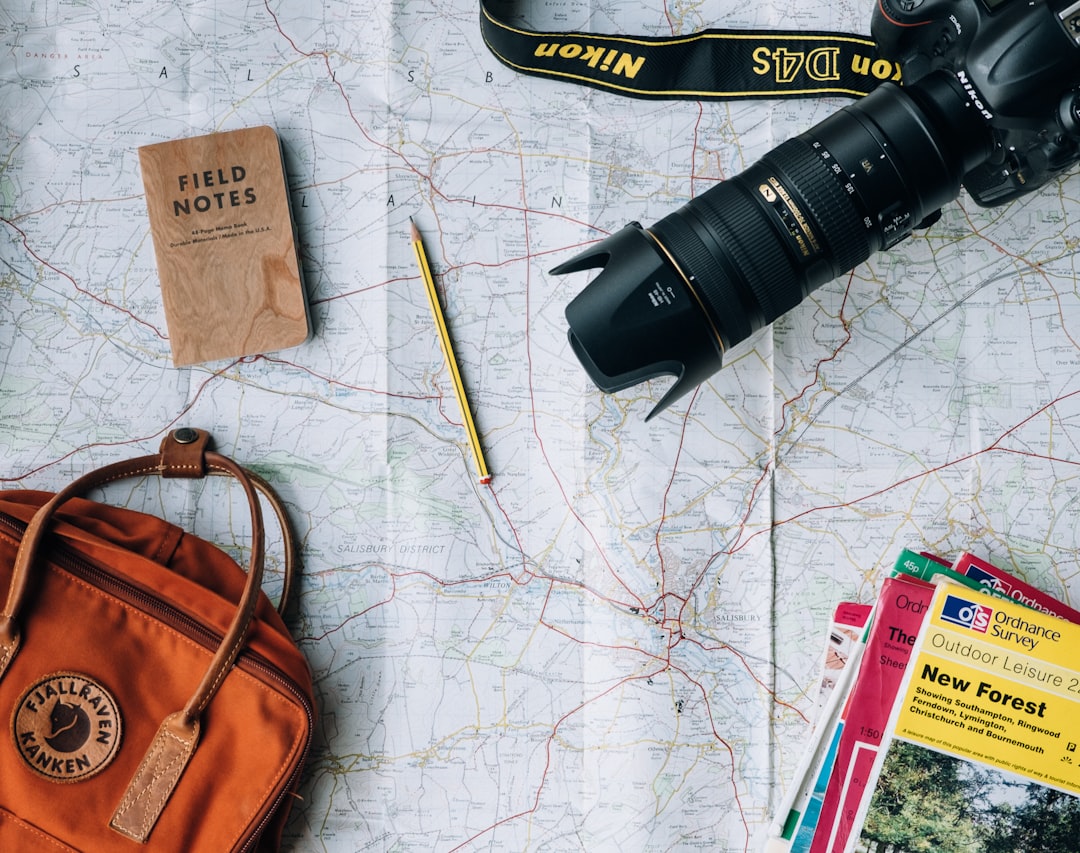
Photo by Annie Spratt on Unsplash
The Instagram photos are intoxicating: a lone traveler silhouetted against a temple at sunrise, sitting alone at a beachside cafe with a notebook, finally finding themselves. The reality? After two weeks of constant movement, eating street food that's wreaking havoc on your stomach, and making small talk with hostel strangers at 2 AM, you might feel more lost than found.
I spent four months traveling through Thailand, Vietnam, and Cambodia on roughly $25 per day. Not because I'm some ultra-minimalist influencer, but because I had to. What I discovered, though, was that traveling this way—slowly, cheaply, and solo—actually made the experience richer, not grimmer. The trick isn't just about budgeting. It's about understanding the rhythm.
The Myth of the Constant Wanderer
Here's what nobody tells you: the best solo travelers aren't constantly on the move. The Instagram aesthetic suggests you should be hitting a new country every three days, collecting passport stamps like Pokémon cards. That's nonsense.
The burnout hits around day 22. You've already seen five temples that look similar. The novelty of eating pad thai for the fifth day in a row has worn off. Making conversation with yet another backpacker discussing their Southeast Asia route feels exhausting. Your feet hurt. Your back hurts. Your sense of wonder feels depleted.
The solution? Stay longer. I spent 12 days in Chiang Mai, not three. Instead of rushing through Bangkok, I rented an apartment for two weeks. This isn't budget travel's dirty secret—it's budget travel's actual superpower. Extended stays are cheaper per night. You stop being a tourist and start becoming someone who actually lives there, even temporarily.
Where Your Money Actually Goes (And How to Make It Stretch)
Transportation costs will kill your budget faster than anything else. A $15 flight between cities sounds cheap until you add airport transfers, accommodation on arrival, and the surprise fee that appears at checkout. The bus that costs $8 and takes eight hours suddenly looks smarter than the $25 budget flight.
Here's what I learned: overnight buses and trains are your best friend. A sleeper train from Bangkok to Chiang Mai costs $20 and saves you a night's accommodation. You arrive refreshed (mostly), and you've covered serious distance. Did I sleep well? No. But I was getting somewhere while sleeping poorly anyway.
Food is where you actually save money in Southeast Asia—if you eat where locals eat. A bowl of khao soi in Chiang Mai costs 30-40 cents at a street stall. A pad thai at a tourist restaurant costs $4. Both will fill you up, but one leaves you with actual money in your account. The restaurants near temples? Skip them. The stalls where construction workers eat breakfast? That's where you go.
Accommodation runs the full spectrum. A bed in a 16-person dorm costs $5-7. A private room in a family-run guesthouse costs $12-18. For extended stays, negotiate a discount. I paid $180 for 15 nights in a room that was listed at $15 nightly. The owner was thrilled to have guaranteed occupancy.
The Loneliness Question (It's Real, But Manageable)
Everyone asks if I got lonely traveling solo. The honest answer: sometimes, intensely. But not for the reason I expected.
The hostel scene creates this weird pseudo-companionship. You meet someone, have an amazing day together, exchange contact information with genuine intentions to stay friends. Then you both move on. Three days later, you're still thinking about them while they've already met 40 other travelers. It's not friendship. It's a pleasant mirage.
The real loneliness hits differently. It's sitting at a restaurant on your birthday with nobody knowing or caring. It's having a terrible day and realizing you can't call a friend because they're 12 time zones away sleeping. It's watching couples kiss at sunset while you're holding your phone up for a solo photo.
But here's what actually helped: committing to at least one meaningful activity that forced interaction. I took a meditation class at a Buddhist temple. A Thai cooking class. A rock climbing group. These weren't tourist activities. They were just... things to do. And I met people who actually lived there, who had different stories than "I've been to 15 countries in 30 days."
Also, this: not every moment needs to be filled with companionship. Reading for three hours at a cafe, watching a terrible action movie, sitting in silence—these are valid ways to spend your time abroad. The pressure to maximize every second is what kills solo travel, not the silence itself.
The Skills You'll Actually Develop
When you travel solo, you become ruthlessly efficient at solving problems. Your flight gets cancelled? You navigate the rebooking system alone. You get food poisoning at midnight? You find a hospital and communicate your symptoms to a doctor who speaks limited English. Your accommodation is a nightmare? You pack your bag and find somewhere else.
These situations sound miserable while they're happening. Looking back, they're the moments that stayed with me. The skills feel real in a way that the postcard moments don't.
Your tolerance for discomfort grows. You stop viewing a cold shower or a squat toilet as a crisis. You start eating things you would've rejected at home. You take buses where you have no idea what's happening. You get more comfortable with being uncomfortable.
This might sound dramatic, but I genuinely became more confident. Not in the sense of suddenly becoming bold or adventurous. Just in the mundane, practical sense that I'd proven to myself I could handle situations without someone else stepping in.
The Part Nobody Prepares You For
After four months, I flew home to my parents' house. I had $600 left in my account and every pair of shoes I owned was falling apart. For the first three days, I couldn't adjust to my old bed. For the first week, I felt weirdly detached from people I'd known my entire life.
The reverse culture shock is real, and it's weirder than the initial adjustment abroad. You've changed. Your friends have been living their normal lives. When you try to explain an experience or share what you learned, it never quite translates. Not because you traveled and they didn't, but because the things that shifted inside you aren't inherently communicable.
That doesn't mean the trip was wasted or that you should have just stayed home. It means you need to prepare for the ending as much as the beginning. Keep a journal. Get the email addresses of people you actually connected with. Give yourself time to process before you're expected to return to normal life.
If you're considering solo travel through Southeast Asia, don't wait for the perfect time or the maximum budget. Go now, go slowly, and forget about collecting destinations like baseball cards. Stay somewhere long enough to eat at the same restaurant twice and have the owner recognize you. That moment—when someone remembers who you are—is when you'll know you're actually traveling, not just visiting.
And if you're worried about having enough money, take comfort: if you can save $3,000-4,000, you can travel for months through Southeast Asia. If you can't, start saving that pad thai money now. The trip is waiting.
For more insights on finding authentic travel experiences beyond the typical tourist trail, check out why you should skip the most popular destinations and discover hidden gems instead.
Comments (0)
No comments yet. Be the first to share your thoughts!
Sign in to join the conversation.