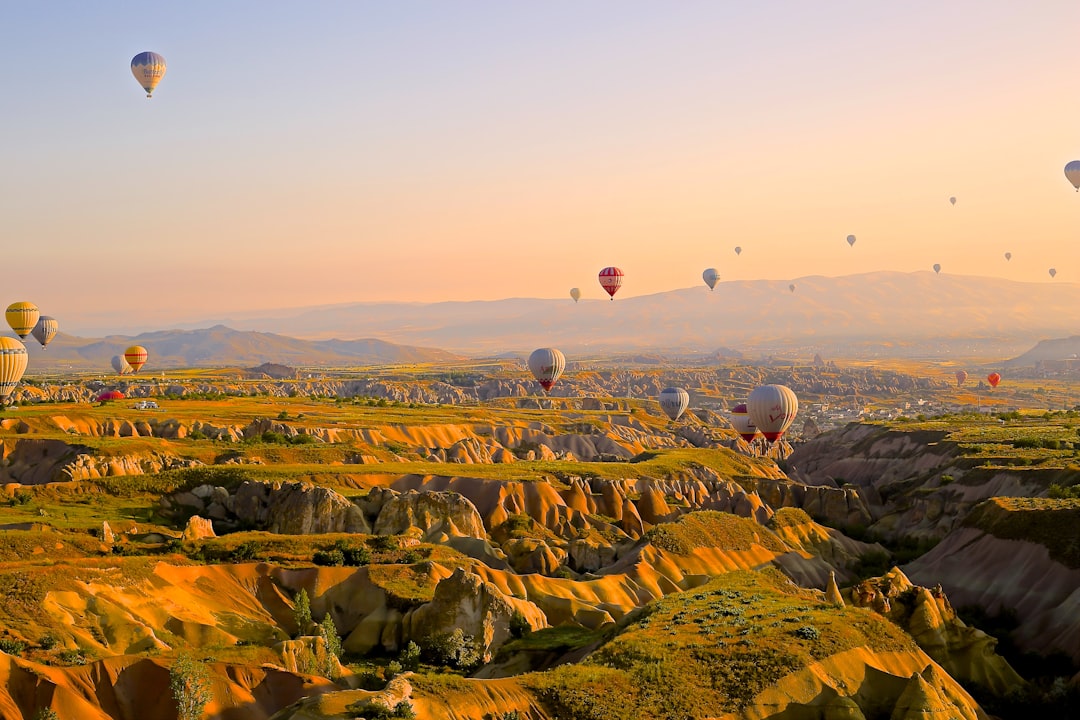
Photo by Daniela Cuevas on Unsplash
Anna had exactly €1,200 and a one-way ticket to Budapest. That was six months ago. Today, she's sitting in a hostel in Bucharest, showing me photos of herself grinning from atop a moving freight train somewhere between Slovakia and Romania, and I'm beginning to understand why she hasn't gone home yet.
"People think train travel in Eastern Europe is complicated," she tells me, scrolling through her phone. "But once you understand the rhythm of it—the schedules, the timing, the people—it becomes like a second language. Except cheaper."
The €100 Rail Pass That Changed Everything
The InterRail Pass exists in a strange middle ground between budget backpacker wisdom and luxury traveler fantasy. For roughly €200-€400 depending on age and duration, you can board trains across 40 European countries for a full month. Anna paid €240 for a month-long pass covering Eastern Europe specifically.
But here's where most travelers get it wrong: they treat it like a guidebook checklist, rushing from major city to major city. Anna did something different. She let the trains decide her route.
"I'd look at a timetable and see a 3 AM train going somewhere I'd never heard of," she explains. "And I'd get on it. Some of my best experiences happened in places that weren't even on my radar—tiny towns where the station master would invite me for coffee, or I'd meet Roma musicians heading to a wedding, or I'd stumble into a local festival simply because the train arrived on the right day."
This approach saved her thousands. Not just in accommodation—sleeping on trains is free—but in experiences. She didn't pay €15 for a museum tour in Prague that 2,000 other people were taking. Instead, she watched sunrise from a hillside outside a place called Banská Bystrica with a Slovak geology student who became her friend.
The Unwritten Rules of Overnight Train Culture
Overnight trains are their own ecosystem. There's an etiquette, a culture, an unspoken agreement between regular travelers that airlines and hotels don't teach you.
First: never sit in a cabin with your bag obviously containing valuables. Second: if someone asks about your destination, answer honestly but vaguely. Third: always have a snack to share. The fourth rule? Never, ever make the first eye contact with someone reading a newspaper alone.
Anna learned these rules the hard way. On her first night train from Vienna to Krakow, she found herself in a six-person sleeper cabin with four Germans, one Polish businessman, and one woman who claimed to be traveling with her "spiritual guides." They talked for twelve straight hours. She didn't sleep. She also made friends who invited her to a music festival in Gdańsk three weeks later.
"The secret is understanding that everyone on those trains is there for a reason," Anna says. "Maybe they're running from something, maybe they're running toward something. Either way, you're all in this metal tube together hurtling through the darkness. That creates connection."
The economics are staggering when you actually run the numbers. A single overnight sleeper train from Budapest to Bucharest costs roughly €40-€60 if you book direct. A decent hostel in those cities averages €12-€20 per night. By taking night trains, Anna essentially converted what would normally be a travel day into her accommodation.
Where the Real Money Disappears (And Where It Doesn't)
Anna's daily budget breakdown reveals where Eastern European train travel gets deceptive. The trains themselves? Phenomenal value. A 12-hour journey costs €20-€40. But then you arrive in a tourist zone like old town Prague or the Vistula riverfront in Krakow, and suddenly a coffee is €4 and a sandwich is €7.
Her solution was methodical: spend two days maximum in major tourist cities, then take secondary trains to smaller towns. In Bucharest, she paid €8 for a massive plate of mici (grilled meat rolls) and beer at a neighborhood restaurant she found by getting lost. In Cluj-Napoca, she spent a day wandering art galleries that charged no entrance fee. In a town called Sibiu that most tourists bypass entirely, she rented a bicycle for €3 and rode through medieval streets that looked untouched by Instagram.
"The rhythm of train travel naturally pushes you toward authenticity," she explains. "The trains run on a schedule that has nothing to do with tourism. So you end up where locals are, eating what locals eat, doing what locals do."
The Unexpected Moments That Made It Real
But here's what the budget breakdowns can't capture: the 4 AM conversation with a Ukrainian nurse heading home to see her daughter. The old couple on the Sofia-to-Thessaloniki route who gave her their homemade burek because they thought she looked hungry. The night she got stuck in a station in Moldova because of track repairs and ended up sleeping on a bench next to a street musician, waking to find he'd been playing softly all night because he thought she was alone.
These aren't the kind of moments you plan. They're what emerges when you commit to traveling in a way that's slower, more patient, and more vulnerable than the typical tourist schedule allows.
Anna's been documenting her journey on Instagram (@trainhopping_anna), and the question she gets most is: "Don't you get tired?" The real answer, I think, is that she's the opposite of tired. She's alive. And the Eastern European rail system—that beautiful, complicated, frequently delayed network of trains that locals use and tourists ignore—is the engine of that aliveness.
If you're interested in unconventional ways to experience Europe's most overlooked regions, you might also appreciate our guide to visiting Lombok instead of Bali, which follows similar principles of seeking out the road less traveled.
What Happens When You Finally Get Off
The hardest part, Anna says, was stepping off the trains for good. After six months of moving constantly, of waking up in new places, of that peculiar freedom that comes from having nowhere you need to be, returning to stationary life felt like stopping a moving train by hand.
But that's kind of the point, isn't it? These journeys aren't meant to last forever. They're meant to crack something open inside you—some assumption about how travel works, what freedom costs, who you are when you strip away the usual anchors.
Anna's heading back out next month. Different route, same rail pass model, same philosophy. She's invited me to join her. I haven't said yes yet. But I'm seriously considering it.
Comments (0)
No comments yet. Be the first to share your thoughts!
Sign in to join the conversation.