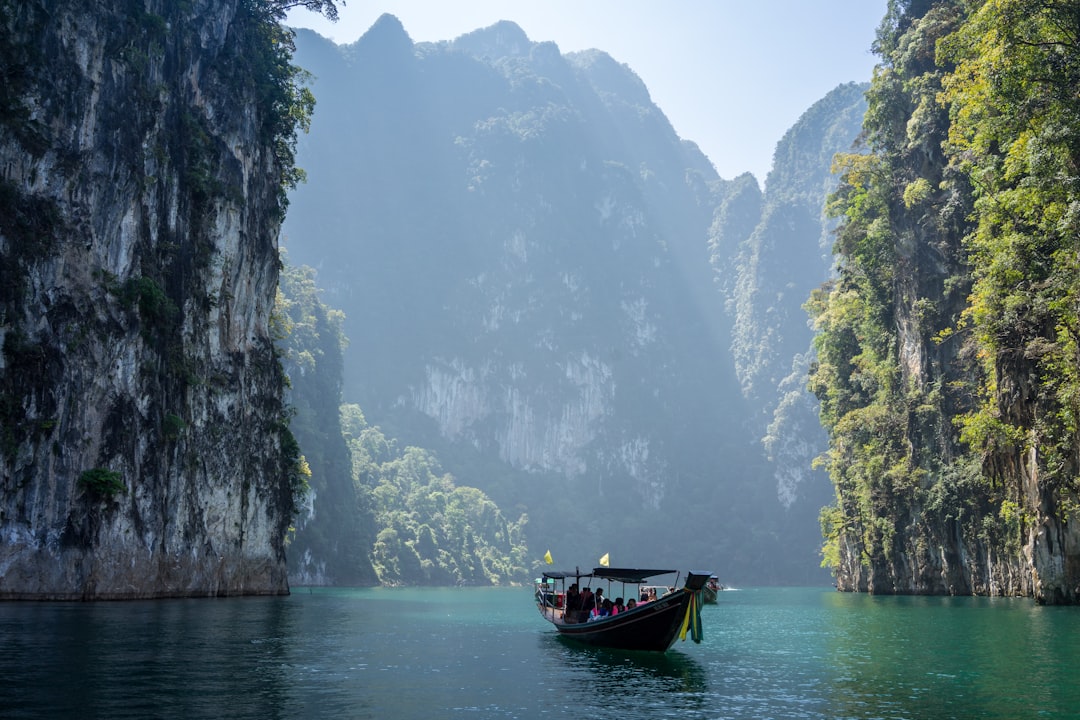
Photo by Robin Noguier on Unsplash
The Worst Restaurant Decision I've Ever Made (That Turned Into the Best)
It was 6 PM on my third night in Bangkok, and I was standing outside a gleaming shopping mall, staring at my phone's Google Maps trying to find a "highly-rated" restaurant that every travel blog seemed obsessed with. That's when my stomach growled loud enough to make a monk in a nearby temple look my way. Right across the street, an elderly woman was grilling skewers of meat over charcoal in a metal drum, the smoke curling into the humid air like an edible invitation. I made what might have been the best impulsive decision of my entire traveling career.
I walked over. I pointed. I sat down on a plastic stool designed for someone considerably shorter than me. What happened next wasn't just a meal—it was a complete rewiring of how I understood travel itself.
The First 24 Hours: Learning to Read the Unreadable Menu
That woman's name was Porn (yes, really), and she'd been running her tiny stall from the same corner for 32 years. She didn't speak English. I didn't speak Thai beyond "hello" and "thank you." What we did have was pointing, gestures, and an absolute commitment to the culinary exchange.
Those first skewers were transcendent. Tender, smoky, with a sauce that tasted like it had been perfected over three decades of small adjustments. I ordered more. She smiled. I ate standing up at her counter, surrounded by locals who barely glanced at me, absorbed in their own evening rituals.
From there, I decided to commit to something stupid and wonderful: I wouldn't eat anywhere that had a printed menu in English. I would spend the next 48 hours eating nothing but what I could find by wandering, pointing, and trusting my stomach.
By 8 PM, I'd found a vendor making pad thai in a wok the size of a beach ball. The noodles had a char that no restaurant kitchen could replicate. By 10 PM, I was eating mango sticky rice from a woman who worked out of a converted shipping container, and her version was so good I considered never eating the dessert anywhere else ever again.
The Second Day: When the Other Travelers Started Asking Questions
The next morning, my hotel concierge looked at my itinerary with genuine concern. "You eat street food... all day?" he asked, as if I'd announced plans to wrestle crocodiles.
But here's the thing about street food in Bangkok that the luxury travel guides miss: it's safer, fresher, and more carefully prepared than most restaurant food. Why? Because vendors make their entire living from reputation. One case of food poisoning spreading through WhatsApp groups, and their business evaporates. A Michelin-starred restaurant worries about critics and ratings. A street vendor worries about Mrs. Thani from apartment 4B telling her daughter that her pad see ew made her sick.
During the second day, I found myself in increasingly complex conversations using Google Translate's camera feature. I'd photograph menu items, get a translation, and either nod enthusiastically or slowly back away. I ate boat noodles from a stall that only opened at 2 PM. I had som tam that was so spicy it made my ears ring. I discovered that what I'd been eating as "satay" in Western restaurants was merely a suggestion of what actual satay should be.
But something unexpected happened around hour 30 of this experiment. I started recognizing faces. The woman who made the best mango sticky rice waved at me when I appeared. A vendor who'd made me a particularly good curry noodle soup recognized my order before I could point. I'd stopped being a tourist and started becoming a regular—or at least, the weird foreigner who was serious about food.
What This Challenge Taught Me About Real Travel
When you eat where locals eat, you're not just consuming better food. You're accessing something that no guidebook can provide: the actual rhythm of how people live. You learn that there's a reason everyone shows up at 11:30 AM for lunch at this particular stall. You realize that these vendors are artists who've spent decades perfecting their craft in the margins of the city, invisible to tourism but absolutely essential to the community.
I've since repeated this challenge in Chiang Mai, Penang, and Ho Chi Minh City. Every time, the results are similar. The food is better. The stories are more genuine. And most importantly, I leave having actually experienced the city rather than just visited it.
If you're planning a Southeast Asia trip, don't make the mistake I initially made of trying to reserve tables at Instagram-famous restaurants. Instead, find destinations that haven't been completely overtouristed, and when you arrive, follow your stomach into the alleys. Eat where the locals eat. Point at things. Take a calculated risk. That's where the actual memories happen.
The Challenge Itself: How to Eat Like a Local
Want to try this in your next Southeast Asian city? Here's the formula: Pick a neighborhood that tourists haven't heavily colonized. Walk until something smells incredible. Look for the longest line of local workers during lunch hour. That's your spot. Download a translation app that works offline. Be adventurous but not reckless—avoid anything that's been sitting out for hours in the heat. And most importantly, eat with genuine curiosity rather than performance. You're not doing this for Instagram. You're doing it because you want to understand the city through its food, which is really just understanding it through the people who live there.
By the end of 48 hours, your palate—and your perspective on what travel actually means—will be forever changed.
Comments (0)
No comments yet. Be the first to share your thoughts!
Sign in to join the conversation.