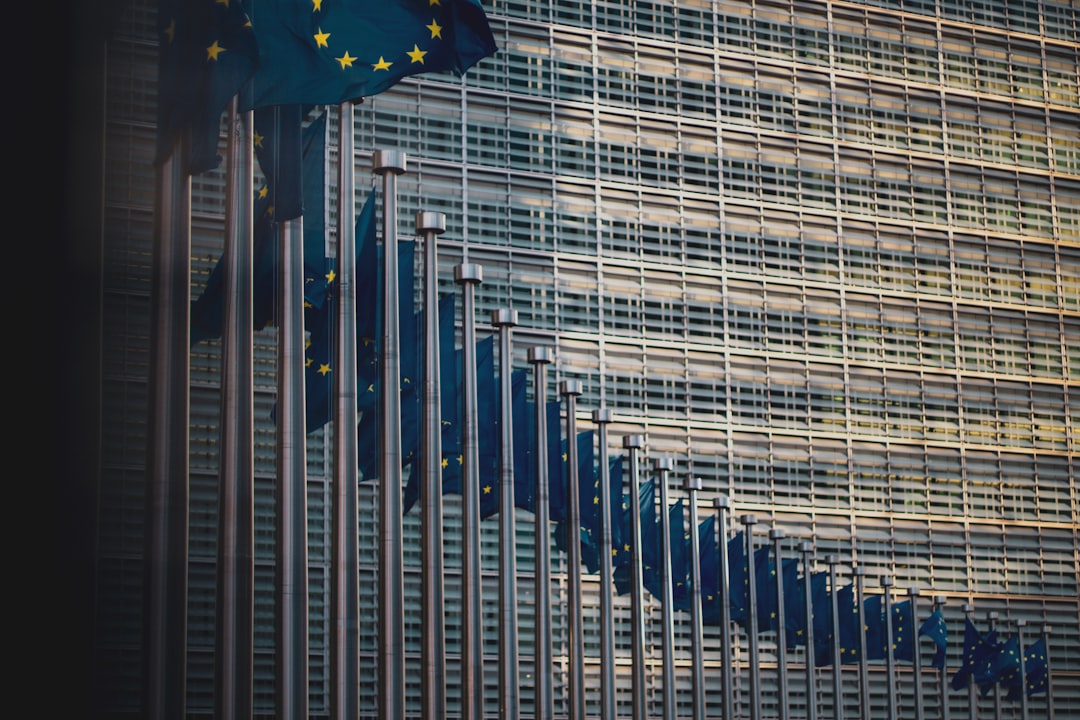
Photo by Christian Lue on Unsplash
Sarah Mitchell never considered herself a political activist. She was a pediatric nurse in suburban Missouri who attended school board meetings occasionally, asked reasonable questions about curriculum, and voted. Then, in 2021, she watched three longtime board members get steamrolled by a slate of candidates backed by a political action committee that spent $847,000 on a single school district election—nearly half a million dollars more than the previous record.
"That's when I realized," she told me over coffee last month, "that this wasn't about education anymore. It was about control."
School board elections have undergone a seismic shift over the past three years, transforming from the electoral equivalent of watching paint dry into some of the most contentious, expensive, and ideologically charged battles in American politics. In 2021 and 2022, national political figures, wealthy donors, and organized campaigns poured unprecedented resources into school board races across the country. What started as local disputes about mask mandates during the pandemic has metastasized into a proxy war over parental rights, gender identity, racial history curriculum, and book selection.
The numbers tell a striking story. In 2020, school board races attracted minimal national attention and modest spending. By 2022, candidates and outside groups were spending tens of millions of dollars. In Virginia's Loudoun County—a Washington, D.C. suburb—the 2021 school board race became a referendum on transgender bathroom policies and critical race theory. Across the country, candidates who had never held political office found themselves facing opposition research campaigns and television advertising.
When Mask Mandates Became Political Theater
The transformation didn't happen in a vacuum. The catalyst was the pandemic. When schools closed in early 2020, parents suddenly became captive audiences to Zoom classes. Many discovered curriculum choices they hadn't paid attention to before. Some were delighted. Others were horrified. And when mask mandates returned in the fall of 2021, even after vaccines became available, the anger crystallized into political action.
In Oakley, California, a group of parents organized after the school board voted to hide the identities of students who used different pronouns at school without parental notification. Videos of heated board meetings went viral on social media. Similar scenes played out in Fairfax County, Virginia; Dearborn, Michigan; and dozens of other districts.
What made these moments different from previous cycles of parental complaints was the infrastructure waiting to mobilize them. Conservative media outlets like Fox News amplified stories of "woke" school boards. Liberal groups countered with stories about book bans and discrimination. National organizations smelled opportunity and blood in the water.
Parents Defending Education, a group founded in 2021, built a database of curriculum materials from thousands of school districts. The group claimed to be protecting children from inappropriate content. Critics noted it was often used to identify teachers for harassment campaigns. Meanwhile, liberal organizations like Moms for Liberty's ideological opposite invested in pro-diversity candidates.
Follow the Money: How National Campaigns Colonized Local Elections
The spending explosion deserves particular scrutiny. In the past, school board candidates were funded by local teachers' unions, real estate developers with interests in school infrastructure, and occasionally concerned parents writing personal checks. Total spending in any given race rarely exceeded $100,000.
Then 2022 happened. In one Virginia county, an outside PAC spent more money on school board races than Democrats spent on congressional races in the same state. Florida saw similar patterns. A PAC backed by wealthy Republican donors bankrolled school board candidates who shared an agenda of restricting book access and eliminating diversity initiatives.
The mechanics were sophisticated. National organizations would identify winnable districts—typically suburban areas trending diverse and progressive, where turnout was historically low. They'd recruit candidates, provide them talking points, run opposition research against incumbents, and saturate the zone with digital advertising targeting specific voters.
"Suddenly you're competing in an arms race," explained David Chen, a school board incumbent in Colorado who lost his reelection bid in 2022. "I was running a grassroots campaign with 500-dollar donations. The other side had a consultant and a half-million-dollar budget. You can't compete with that at the local level."
The Collateral Damage: What Happens to Schools When Politics Takes Over
The real casualties in this war aren't politicians—they're students, teachers, and the actual work of education. When school boards become proxy battlegrounds for national culture wars, basic functions suffer.
Teachers report unprecedented levels of harassment. A survey by the National Center for Education Statistics found that 41% of teachers experienced some form of harassment from parents or community members between 2019 and 2022—a dramatic increase. Some teachers have quit in disgust. Others self-censor their curriculum choices.
Board meetings, once perfunctory affairs where a few people commented on budgets, have turned into organized spectacles. Activists show up with printed materials. Speeches are orchestrated. Time that could be spent on actual educational policy gets consumed by theatrical performances.
Most troublingly, disagreements that could be resolved through reasonable discussion have become calcified into tribal identities. A parent concerned about age-appropriate book selection in the middle school library gets lumped in with book-banning extremists. A teacher advocating for inclusive curriculum gets labeled a propagandist.
Perhaps most importantly: the disappearance of middle-ground politics affects school boards just as much as national elections. Candidates aren't rewarded for nuance or compromise anymore. They're rewarded for absolute commitment to their side's culture war agenda.
What Comes Next?
The school board wars aren't slowing down. If anything, they're intensifying. National political operatives have figured out that school boards are where they can win without competing for presidential voters. Local elections have always been where parties could test messaging and build infrastructure. Now they're also where the culture war plays out most brutally.
What's uncertain is whether school board politics will eventually normalize or if this represents the new permanent reality. Will the national money and attention fade once the immediate political moment passes? Or have we permanently transformed local education governance into a function of national political parties?
Sarah Mitchell, the pediatric nurse from Missouri, decided to run for the school board seat herself in the next election cycle. "I couldn't sit on the sidelines," she said. "If this is going to be a war, I'm going to fight it. I just wish we could talk about schools again instead of culture wars."
That wish might be the most idealistic political sentiment expressed in American schools today.
Comments (0)
No comments yet. Be the first to share your thoughts!
Sign in to join the conversation.