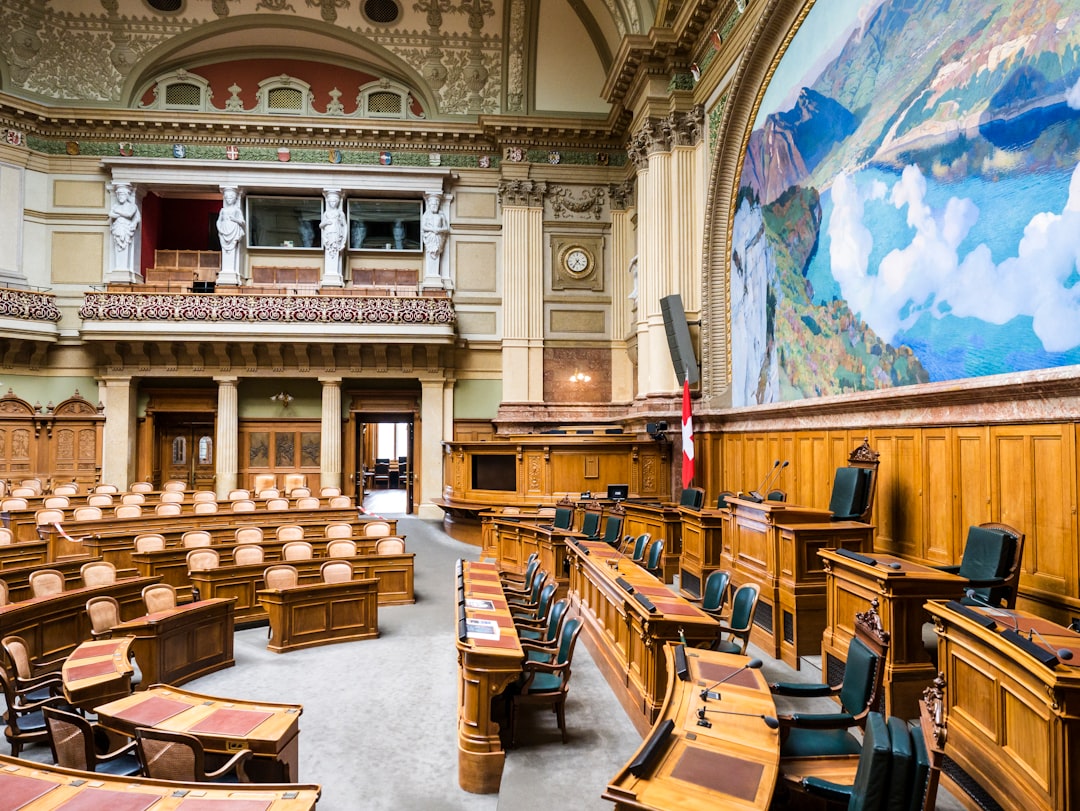
Photo by Hansjörg Keller on Unsplash
It was 2 AM on a Tuesday when the real bill passed Congress. Not the one debated on C-SPAN for weeks. Not the one your representative promised to read before voting. A different one—stuffed with provisions added in the dead of night, slipped into the text through amendments nobody had time to properly examine.
This isn't some fictional horror movie plot. This is how Congress actually works, and frankly, most people have no idea it happens constantly.
The 3 AM Substitute That Changed Everything
In 2015, Senator James Lankford noticed something peculiar. A transportation funding bill was scheduled for a vote. But between the afternoon markup and the midnight votes, the entire substance had changed. Pages were rewritten. New provisions appeared. The bill his committee had debated was essentially replaced with something completely different.
"I had no idea what was in the final version," Lankford later admitted to colleagues. "And I'm on the committee."
What Lankford discovered wasn't incompetence—it was procedure. Under Senate rules, lawmakers can substitute the entire text of a bill right up until the vote. Want to sneak in a tax break for your donor's industry? Wait until the final hours. Want to add controversial language that would trigger debate? Do it at midnight when reporters have gone home and C-SPAN viewership drops by 90 percent.
The practice is technically legal. It's also essentially invisible to the public and often invisible to most legislators voting on it.
Why Late Night Amendments Work So Well
The mechanics are simple but devastatingly effective. Here's how it actually plays out on Capitol Hill:
A bill comes up for a vote. Let's say it's a 200-page infrastructure package that passed committee with bipartisan support. Real debate happened. Amendments were proposed and rejected. Everyone understands what they're voting for. Then, at 11 PM, a senior lawmaker's staffer introduces a substitute amendment. It's technically the same bill—same title, same number—but the actual text is now completely different. Sometimes it's 85 percent different.
By the time most representatives and senators even know this happened, the vote is called. Do you vote no because you're unhappy with this surprise? Then you're voting against infrastructure. Do you vote yes? You're voting for whatever mystery provisions were inserted in the final hours.
The rules technically allow members to request a delay. In practice, requesting a delay means you're blocking your party's agenda. Requesting a delay means primary challengers will run attack ads against you. Requesting a delay means your party leadership will find ways to punish you in committee assignments.
So people vote yes without reading what they're voting for. The Congressional Research Service has documented that the average Senator has less than 45 minutes of actual review time for late-night amendment text.
Real Money, Real Consequences
The financial stakes make this more than just a procedural oddity. When a senator's staffer inserts language at midnight, they're often inserting money.
In 2018, a modest $4 billion transportation bill suddenly included a provision extending tax breaks for cryptocurrency mining operations. It appeared in amendment text at 1 AM. Nobody had publicly advocated for it. No hearings explored whether this was good policy. A handful of legislators knew it was coming. And it passed with 87 votes because, well, voting against transportation meant voting against roads.
The provision cost the government roughly $14 million in lost tax revenue over four years. It benefited exactly three major companies in the industry. None of those companies had publicly disclosed their lobbying efforts on this particular amendment.
This isn't unusual. Federal Reserve researchers estimated that roughly 15 percent of substantial government spending changes in recent years came through late-night amendments rather than through normal authorization processes. Fifteen percent. That's not a procedural glitch—that's a significant channel for policy change.
The Broken Accountability Machine
The really damaging part isn't the late-night amendments themselves. It's that they're essentially unaccountable. When your representative votes for a bill at midnight that was completely rewritten at 11:47 PM, how do you hold them responsible?
You can't watch the debate because there wasn't one. You can't read the bill because it didn't exist until minutes before the vote. You can't contact your representative beforehand because they didn't know either.
Some transparency advocates have proposed solutions. Require that bills be available for 72 hours before voting. Prohibit text substitutions within 24 hours of a vote. Mandate that any amendment changing more than 10 percent of bill text requires a new committee review.
These aren't radical ideas. They're standard practice in most state legislatures. But at the federal level, they've never gained traction. Why? Because both parties benefit from the current system. When your party is in power, these late-night mechanisms let you pass your agenda without pesky debate or scrutiny. When you're in the minority, you can sneak controversial items into bills too.
Everyone benefits. Everyone except voters.
What Actually Needs to Change
The fix requires understanding that this isn't about partisan blame. It's about structural incentives. As long as late-night amendments are possible, ambitious legislators and lobbyists will use them. As long as using them carries no real political cost, they'll keep appearing.
The solution requires real procedural reform. Not rhetorical calls for transparency—actual rules changes. Rules that would slow things down just enough that Congress would have to govern in daylight.
Some legislators have started pushing back individually. A few have made personal commitments not to vote for bills they haven't read. These efforts are admirable but insufficient. Individual virtue can't overcome structural incentives.
If you want to understand how your representative really votes, stop watching the floor debates. That's theater. The real votes happen at midnight, on text nobody has seen, with procedures that prevent meaningful review. Understanding this broken system is the first step toward actually fixing it.
For more on how power concentrates in legislative bodies, check out The Veto Power Trap: Why State Governors Are Becoming More Powerful Than Congress—a look at how procedural rules shift political power in surprising ways.
Comments (0)
No comments yet. Be the first to share your thoughts!
Sign in to join the conversation.