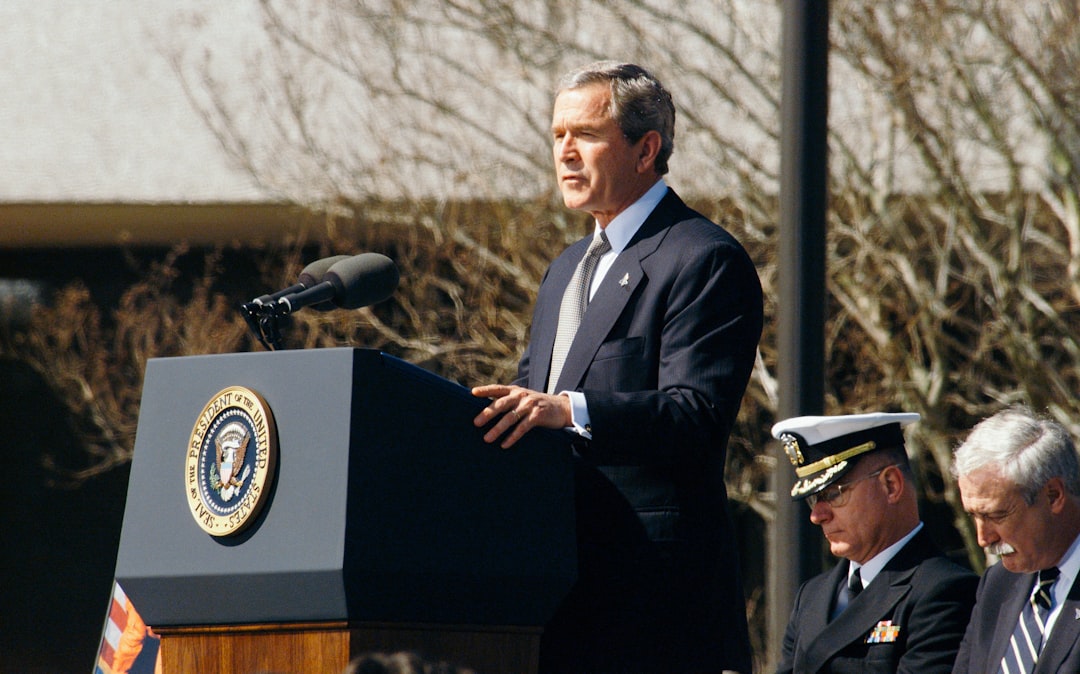
Photo by History in HD on Unsplash
Senator Robert Menendez wasn't always opposed to letting Medicare negotiate drug prices directly with pharmaceutical companies. In fact, back in 2009, the New Jersey Democrat supported the concept. Then something changed. Between 2010 and 2022, pharmaceutical and health product companies funneled nearly $750,000 into Menendez's campaign coffers and the accounts of his allies. By 2021, he was one of the bill's most vocal opponents, calling drug price negotiation "government price-fixing." His transformation wasn't unique—it was a masterclass in how one industry essentially rewrote federal law by playing the lobbying game better than anyone else.
The $300 Million Bet That Paid Off
The pharmaceutical industry didn't just show up to Congress with campaign checks and hope for the best. They executed what might be the most expensive and effective lobbying campaign of the Biden administration's first term. According to data from the Center for Responsive Politics, pharmaceutical manufacturers and health product companies spent approximately $307 million on lobbying in 2021 alone—the year the drug pricing battle reached its peak.
For context, that's more than the entire defense contracting industry spent that year. It's nearly triple what the oil and gas industry spent. These numbers don't even include the dark money flowing through nonprofit groups and trade associations aligned with Big Pharma's interests.
So what did that $307 million buy them? A lot more than most Americans realized. When the House finally passed the Inflation Reduction Act in August 2022, it included substantial drug pricing provisions—but they were significantly weaker than what the House had initially proposed. The original bill would have allowed Medicare to negotiate on 250 drugs by 2029. The final version? Just ten drugs, and only beginning in 2026.
That wasn't a compromise. That was a strategic retreat funded by an industry that understood something fundamental about American politics: if you have enough money and enough patience, you can rewrite the rules.
How PhRMA Turned Senators Into Obstacles
The Pharmaceutical Research and Manufacturers of America (PhRMA) didn't rely solely on campaign contributions. That would have been too obvious, too crude. Instead, they deployed what political scientists call "sophisticated lobbying"—a multi-pronged strategy involving direct legislative pressure, grassroots astroturfing, strategic media campaigns, and the cultivation of what Washington insiders call "problem solvers."
Take Senator Kyrsten Sinema of Arizona. In 2019, she received $102,600 from pharmaceutical companies. By 2021, as the drug pricing debate heated up, she became one of the few Democrats willing to slow-walk legislation that the party's leadership was pushing. In a dramatic moment during negotiations, she reportedly told colleagues she would vote down any drug pricing provision she deemed problematic. When leadership finally passed a bill, Sinema's fingerprints were all over the weakened language around drug negotiation timelines and price caps.
This isn't to say Sinema was simply bought. Rather, she joined a perfectly legal ecosystem where campaign contributions, lobbying relationships, and genuine policy disagreements become impossible to untangle. When you're a senator from a purple state, and an industry is simultaneously funding your reelection campaign, supporting allied groups, and making the case to your constituents that drug price negotiation will stifle innovation, something shifts in how you approach the issue.
PhRMA also supported a battalion of ostensibly independent patient advocacy groups. Americans for Affordable Medicines, one of the most visible groups opposing price negotiation, received substantial funding from pharmaceutical companies while portraying itself as a grassroots patient movement. When those groups testified on Capitol Hill or ran digital ads opposing price negotiation, they added a veneer of citizen concern to what was essentially corporate lobbying with better optics.
The Innovation Argument That Worked
The pharmaceutical industry's most potent weapon wasn't cash—it was a simple, compelling argument: drug price negotiation will kill innovation. If the government negotiates prices down, companies won't invest in research and development for new medications. Americans will suffer. Other countries will get access to breakthrough treatments before us.
Is this true? The evidence is mixed at best. Countries like Germany, Australia, and Canada all negotiate drug prices directly and continue to see significant pharmaceutical innovation. Yet the argument resonated because it taps into something genuine: innovation does cost money, and price controls do have real economic effects. The pharmaceutical industry simply inflated those effects to apocalyptic proportions.
More importantly, they repeated this argument in every forum where it mattered. To senators in the Finance Committee, to moderate Democrats worried about constituents, to think tanks with the credibility to influence policy debates. They weren't presenting new evidence; they were presenting a consistent narrative so effectively that it became the default assumption in many political circles.
By comparison, drug price reform advocates were operating on a shoestring budget. Patient groups fighting for affordable medication never came close to matching the pharmaceutical industry's resources. The American Medical Association, which you might expect to advocate fiercely for lower drug prices, actually opposed Medicare negotiation provisions—partly because doctors receive consulting fees and speaking honorariums from pharmaceutical companies.
The Broader Lesson About Who Really Runs Washington
Here's what makes this story particularly instructive: the pharmaceutical industry largely won without the public even realizing a fight was happening. Most Americans have no idea that a $307 million lobbying campaign shaped their healthcare laws. They don't know that the drug pricing provisions in the Inflation Reduction Act were substantially weakened from their original form.
This represents something that should worry anyone paying attention to American democracy. It's not corruption in the criminal sense. It's not bribery. It's perfectly legal. Senators can accept campaign contributions from industries while voting on legislation affecting those industries. Lobbyists can move freely between Capitol Hill and the private sector. Trade associations can spend unlimited money on advocacy while claiming to represent concerned citizens.
The pharmaceutical industry won because they understood that in American politics, long-term investment in relationships and narrative-building beats electoral cycles and public opinion. They won because the political system is structured in ways that reward patience, money, and access.
If you want to understand why Congress so often seems disconnected from what voters actually want, the drug pricing battle provides a roadmap. For a deeper exploration of how institutional power works in American politics, you might also consider reading about how state legislatures are rewriting election rules without national scrutiny—a similar story of how power operates in the shadows.
The pharmaceutical industry will likely continue to spend enormous sums on lobbying. They'll continue to win concessions in legislation that publicly appears to regulate their industry. And most Americans will continue to pay more for medications than people in other developed nations, never quite understanding why their representatives couldn't quite seem to deliver on promises to lower drug costs.
That's not a failure of individual politicians. That's a feature of a system where $307 million in lobbying can rewrite federal law so effectively that the rewriting itself becomes invisible.
Comments (0)
No comments yet. Be the first to share your thoughts!
Sign in to join the conversation.