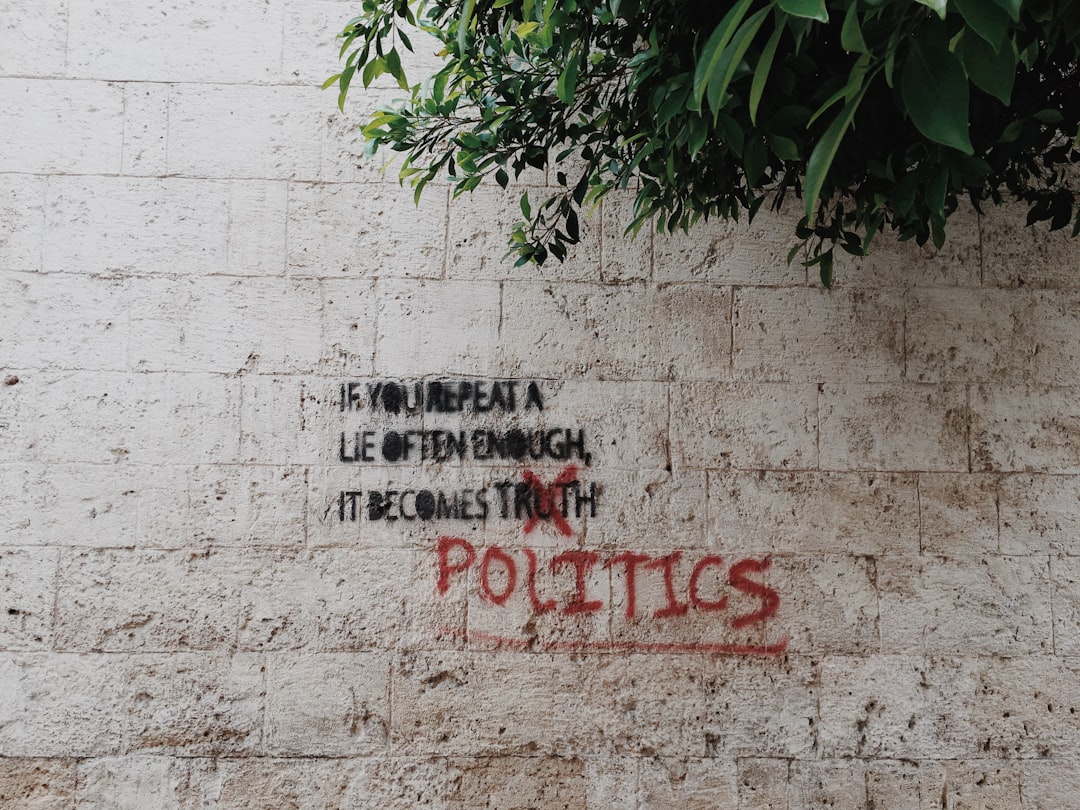
Photo by Brian Wertheim on Unsplash
The Sheriff Who Said No
In November 2023, Richard Mack, former sheriff of Graham County, Arizona, stood in front of a packed courthouse and made a declaration that would have seemed unthinkable a decade ago. He told federal agents they had no authority in his county. Not because he lacked respect for the law—but because he believed the Constitution gave him, an elected county official, the power to reject federal enforcement actions he deemed unconstitutional.
Mack isn't alone. He leads the Constitutional Sheriffs and Peace Officers Association, an organization that has grown to include over 800 sheriffs across 47 states. These aren't fringe figures operating in the shadows. They're elected officials with badges, arrest powers, and increasingly, the conviction that they're the ultimate arbiters of constitutional authority within their jurisdictions.
The implications are staggering. While Congress gridlocks and state governors grab headlines, a quiet revolution is happening at the county level where sheriffs are quietly reshaping the relationship between local power and federal authority.
Where Constitutional Sheriffs Draw the Line
The movement crystallized around specific grievances. Many sheriffs cite federal overreach on gun control, viewing background check requirements and red flag laws as unconstitutional infringements. Others object to federal immigration enforcement, arguing that local jails shouldn't be forced to hold detainees without federal payment. Still others reject federal pandemic mandates they see as executive overreach.
What distinguishes these sheriffs from typical local resistance is their explicit constitutional framework. They argue that the Tenth Amendment reserves powers to the states and people, and that sheriffs, as elected county officials accountable to local voters, hold constitutional authority equal to federal agents operating in their territory.
Consider what happened in Larimer County, Colorado, when Sheriff Justin Smith refused to enforce state gun confiscation laws in 2019. He wasn't acting as a lawbreaker but as someone who believed the laws violated the Second Amendment. He was reelected by his constituents with a strong mandate. That same year, in Westmoreland County, Pennsylvania, Sheriff Will Thompson similarly refused to enforce executive orders regarding pandemic lockdowns.
These aren't isolated incidents or symbolic gestures. They represent actual refusals to enforce laws, backed by constitutional arguments and electoral support.
The Constitutional Argument That's Gaining Ground
The legal theory behind constitutional sheriffs draws from a particular interpretation of federalism. Proponents cite the Posse Comitatus Act of 1878, which technically limits the military's domestic law enforcement role, and argue that this principle extends more broadly—that federal power should be constrained when it encounters local resistance.
But the argument goes deeper. Constitutional sheriffs claim that the county sheriff is historically America's highest law enforcement authority in their jurisdiction. They point to English common law traditions where sheriffs served as protectors of county residents against overreach—whether from kings or, in modern terms, federal bureaucrats.
Legal scholars are divided. Some argue this interpretation ignores the Supremacy Clause of the Constitution, which explicitly makes federal law the supreme law of the land. Others contend there's genuine constitutional ambiguity about the extent of federal authority to commandeer local law enforcement.
The courts haven't yet definitively resolved this. Most cases involving sheriff resistance haven't reached the Supreme Court, partly because sheriffs often back down when legally challenged, and partly because the federal government has sometimes accommodated local concerns rather than escalate.
Why This Matters More Than You Think
The rise of constitutional sheriffs represents something fundamental: the devolution of political power away from both Washington and state capitals, toward county officials. Unlike governors, who command state police and national guard resources, sheriffs operate with more modest authority. Yet they control jails, manage local enforcement, and crucially, they're elected by and accountable to their communities.
This creates a potential fracturing of law enforcement. When a sheriff refuses to cooperate with federal agents, it doesn't just create legal ambiguity—it creates practical problems. Federal agents trying to serve warrants encounter local officials who won't provide jail space. Immigration enforcement becomes impossible without local cooperation. Gun regulations go unenforced in counties where the sheriff objects.
The philosophical shift is equally significant. For decades, American political conflicts have centered on battles between federal and state governments. But constitutional sheriffs are arguing that actual sovereignty resides with county officials closest to the people. It's a radical localism that appeals across ideological lines—conservative sheriffs opposing federal gun control and progressive sheriffs protecting undocumented immigrants both use the same constitutional framework.
What Happens When the System Breaks
Here's where it gets uncomfortable. Constitutional sheriffs represent a potential breakdown of unified law enforcement. If sheriffs in 800 different jurisdictions each decide which laws to enforce based on personal constitutional interpretations, the result isn't justice—it's chaos.
Yet the movement also reflects something real: genuine frustration with federal overreach and the legitimate question of how much power should concentrate in Washington. The Veto Power Trap: Why State Governors Are Becoming More Powerful Than Congress explores how similar decentralization is happening at the state level, suggesting that American federalism is fundamentally shifting.
The question facing Congress and the courts is whether constitutional sheriffs represent necessary checks on federal power or dangerous threats to unified law enforcement. The answer will likely shape American politics for decades.
What's certain is this: the next major political battles might not be between Republicans and Democrats, or even between state and federal governments. They might be fought in county courthouses, by sheriffs who believe they alone represent their constituents' constitutional rights.
Comments (0)
No comments yet. Be the first to share your thoughts!
Sign in to join the conversation.