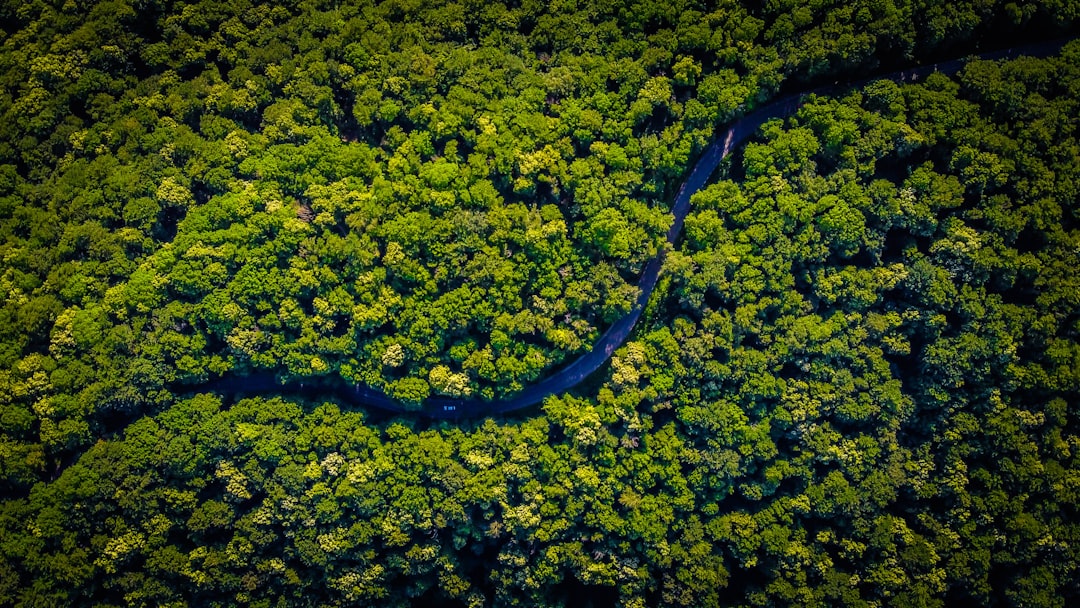
Photo by Vlad Hilitanu on Unsplash
Last spring, mycologist Paul Stamets stood in a Washington state forest and pointed to something invisible. Beneath the moss and decomposing leaves, he explained, existed a fungal network so vast it dwarfed anything visible above ground. This wasn't metaphor—a single organism of honey fungus in Oregon spans 2,384 acres, making it one of the largest living things on Earth. Yet most of us walk through forests completely unaware of these underground superheroes quietly solving some of our most pressing environmental crises.
The fungal kingdom deserves far more attention than it currently receives. While we obsess over planting trees and protecting whale populations, fungi have been silently working behind the scenes, storing carbon, purifying water, and rebuilding devastated ecosystems. The science is compelling, the applications are practical, and the timeline is urgent.
The Carbon Storage Secret Hidden in Mycelium
When we think about carbon sequestration, our minds usually jump to forests and wetlands. But here's what most climate discussions miss: fungi store carbon differently than plants, and potentially more effectively. Mycorrhizal fungi—the type that connects to plant roots—transfer carbon deep into soil where it remains stable for decades, even centuries. Unlike carbon stored in tree trunks (which can be released through logging, fire, or decomposition), fungal carbon gets locked into soil structure itself.
Research from the University of Colorado found that mycorrhizal networks can store up to 500 tons of carbon per hectare. To put that in perspective, that's roughly equivalent to what a dense forest stores above ground. The difference? This carbon isn't vulnerable to fire season or climate-driven pest outbreaks. It's protected underground.
Stephanie Kivela, a soil scientist I spoke with, explained it this way: "Fungi essentially make carbon-rich compounds and push them into the soil. Plants feed the fungi sugars, and fungi feed plants nutrients. Meanwhile, billions of tons of carbon just... stay there. It's like nature's most efficient safety deposit box." She's currently running a restoration project in Montana where they're deliberately inoculating degraded pastureland with fungal spores. Early results show soil carbon increasing by 8% annually—a remarkable rate for land that had been losing carbon for two decades.
From Polluted Wastelands to Living Soil
Perhaps more immediately impressive than carbon storage is fungi's ability to repair destroyed soil. This isn't theoretical. In 2019, a Pennsylvania mining company left behind 47 acres of completely barren land—the kind of place where nothing grew, where the soil was essentially dead. Enter mycologist Tradd Cotter and his team, who introduced oyster mushroom mycelium to the site. Within two years, the land supported vegetation. Within four years, insects had returned. Now, six years later, it's approaching something resembling a functioning ecosystem.
This process is called mycoremediation, and it works because fungi break down toxins and heavy metals that prevent plant growth. They also rebuild soil structure, reintroduce beneficial microbes, and essentially resurrect biological life at the microbial level. It's happening right now in places like Chernobyl, where researchers discovered that certain fungi actually feed on radiation, breaking it down into less harmful compounds.
What makes this particularly exciting is the speed. Traditional soil restoration takes decades. Fungal-assisted restoration can show meaningful results in 2-4 years. For a world facing unprecedented soil degradation—we're losing topsoil at roughly 24 billion tons annually—fungi offer something we desperately need: a solution that works on a human timescale.
The Agricultural Opportunity Everyone's Missing
Modern agriculture has waged a decades-long war against fungi. Fungicides, soil tilling, monoculture farming—all of it deliberately eliminates the very organisms that could make farms more resilient and productive. Yet some forward-thinking farmers are flipping the script entirely.
In Oregon, regenerative farmer Gabe Brown has been rebuilding his soil using fungal networks as a foundational strategy. His yields haven't just maintained—they've increased. More importantly, his soil now sequesters carbon actively, his water retention has improved dramatically, and he's reduced his input costs by roughly 60%. Other farmers in his region initially thought he was eccentric. Now, they're starting their own fungal inoculation programs. This mirrors what's happening across the country, from California vineyards to Kansas wheat fields.
The agricultural revolution doesn't require fancy technology or massive corporate investment. It requires understanding fungi as partners rather than enemies. It requires letting go of 20th-century assumptions about how farming should work.
If you want to understand the bigger picture of how individual actions connect to ecosystem healing, read about why your backyard might be more important than the Amazon right now. The principles around fungi apply equally well to small-scale gardens.
What Happens Next
The fungal revolution is accelerating, but we're still in early stages. Most agricultural policy hasn't caught up. Most gardeners don't know fungal inoculation exists. Most climate discussions still treat fungi as an afterthought. This needs to change.
Some promising developments: companies are now commercializing fungal spore products for farmers and gardeners. Universities are expanding mycology research programs. The first large-scale mycoremediation project for a Superfund site is underway in New Jersey. Government agencies are beginning to incorporate fungi into their conservation strategies.
But policy and infrastructure changes take time. What you can do right now is far simpler. Stop using fungicides on your lawn if you do. Mulch leaves instead of bagging them—fungi break down that organic matter. If you garden, inoculate your soil with mycorrhizal products. If you farm or know farmers, suggest they explore fungal-based soil amendments. These aren't revolutionary acts, but they're the opposite of fighting against nature. They're working with it.
The underground network that most of us never think about is quietly solving problems we thought were intractable. Carbon sequestration. Soil restoration. Ecosystem rebuilding. All happening through organisms we've spent decades trying to kill. Maybe it's time we started listening to what fungi have been trying to tell us all along.
Comments (0)
No comments yet. Be the first to share your thoughts!
Sign in to join the conversation.