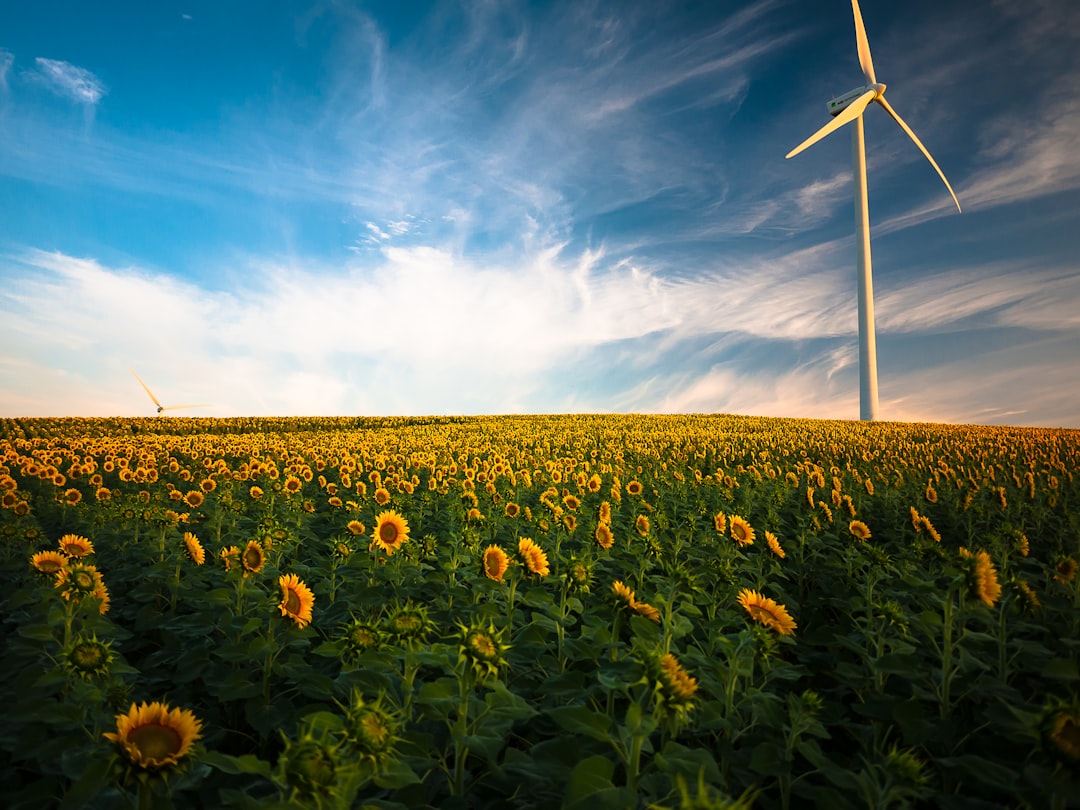
Photo by Gustavo Quepóns on Unsplash
Last spring, I visited a conventional corn farm in Iowa alongside a soil scientist named Dr. Patricia Chen. We stood in a field that had been planted with the same crop for seventeen consecutive years. The soil was dark, compacted, and when she knelt down and grabbed a handful, it fell apart like dusty flour. "This soil is dead," she said simply. "It's just a growing medium now. There's nothing living in it."
That moment stuck with me. Most of us never think about soil—it's just dirt, right? But what's happening beneath our feet represents one of the most critical environmental crises of our time, one that receives almost no media attention despite threatening global food security.
The Invisible Ecosystem We're Destroying
A handful of healthy soil contains more microorganisms than there are people on Earth. We're talking billions of bacteria, fungi, protozoa, and nematodes, all engaged in an intricate dance that cycles nutrients, builds structure, and stores carbon. These organisms are the foundation of everything that grows—yet industrial agriculture treats soil as nothing more than an inert substrate that holds plants upright while we pump them full of chemical fertilizers.
The numbers are staggering. According to research from the International Union of Soil Sciences, we're losing about 24 billion tons of fertile topsoil annually. That's roughly one-third of the world's arable land becoming degraded in just the last forty years. And it's not just erosion we're talking about—it's the systematic poisoning and sterilization of living systems.
When farmers use broad-spectrum pesticides and herbicides, they don't just kill the pests. They obliterate the soil food web. The mycorrhizal fungi that form symbiotic relationships with plant roots? Dead. The bacteria that fix nitrogen from the atmosphere? Eliminated. The earthworms that aerate and structure the soil? Gone. Without these organisms, farmers must apply ever-increasing amounts of synthetic fertilizers just to keep plants growing—a costly treadmill that degrades soil further with each season.
What Healthy Soil Actually Does
Here's what most people don't realize: soil is where the climate crisis intersects with the food crisis. Healthy soil can sequester enormous amounts of carbon. One acre of regenerated soil can capture between 40 and 100 pounds of carbon annually. Meanwhile, degraded soil releases carbon back into the atmosphere. Industrial agriculture contributes roughly 10-12% of global greenhouse gas emissions, but much of that damage happens invisibly, through the loss of soil carbon.
There's also the water crisis. Living soil acts like a sponge. A single percent increase in soil organic matter allows the soil to hold an additional 20,000 gallons of water per acre. In an era of increasingly severe droughts, this matters enormously. Yet conventional farming practices—bare soil between crops, heavy tillage, monocultures—actually reduce water infiltration and increase runoff.
And then there's nutrition. Plants grown in living, biodiverse soil are measurably more nutritious. A 2009 study comparing organic and conventional farming found that vegetables grown in organically managed soil (which maintains microbial diversity) contained significantly higher levels of minerals and antioxidants. The difference isn't trivial—it's the difference between food that actually nourishes us and food that merely fills us up.
The Regenerative Revolution (And Why You Haven't Heard About It)
Some farmers are fighting back. Regenerative agriculture—which prioritizes building soil health through practices like cover cropping, crop rotation, reduced tillage, and livestock integration—has grown from a fringe movement to something that's starting to gain real traction. Farmers using these methods report increased yields within 3-5 years, reduced input costs, and soil that's visibly more alive.
I visited a regenerative farm in Missouri where the farmer, Marcus Webb, had transformed 200 acres of depleted conventional cropland over a decade. When we walked through his fields, the difference was striking. The soil was dark, crumbly, alive with earthworms. It smelled rich and organic—literally. His yields now match his neighbors' despite using a fraction of the chemical inputs, and his soil organic matter has increased from 1.8% to over 4.5%.
"Once people understand that soil health directly impacts their food and their wallets, everything changes," Marcus told me. "But the current subsidy system rewards volume, not quality. The system is designed to keep us on this treadmill."
He's right. The U.S. farm bill provides roughly $15 billion annually in crop subsidies, the vast majority going to commodity crops like corn and soy. There's almost no financial incentive for farmers to transition to regenerative practices, even though those practices would improve their long-term profitability and reduce their dependence on chemical inputs.
What Actually Needs to Happen
At the policy level, we need subsidy reform. Regenerative agriculture should be incentivized, not punished. Some progress is happening—the USDA's Natural Resources Conservation Service now offers funding for soil health initiatives—but the scale is nowhere near what's needed.
But policy isn't the only lever. Consumer demand matters. Every time you buy from a farmer using regenerative practices, you're voting with your wallet. You're also supporting better environmental outcomes than conventional agriculture, even if the produce costs slightly more. There's also a connection here to how we source our food beyond just vegetables—for instance, if you're interested in understanding where your other daily staples come from, understanding the environmental impact of your coffee choices is equally important.
At an individual level, you can also make a difference through your own land. Even a small garden using organic methods, composting, and no-till practices contributes to soil health. You don't need to farm commercially to help rebuild this invisible ecosystem.
The soil beneath our feet is not infinite. We can degrade it in generations, but rebuilding it takes time and intention. The good news? It's not too late. We know how to do this. We just need to decide that it matters.
Comments (0)
No comments yet. Be the first to share your thoughts!
Sign in to join the conversation.