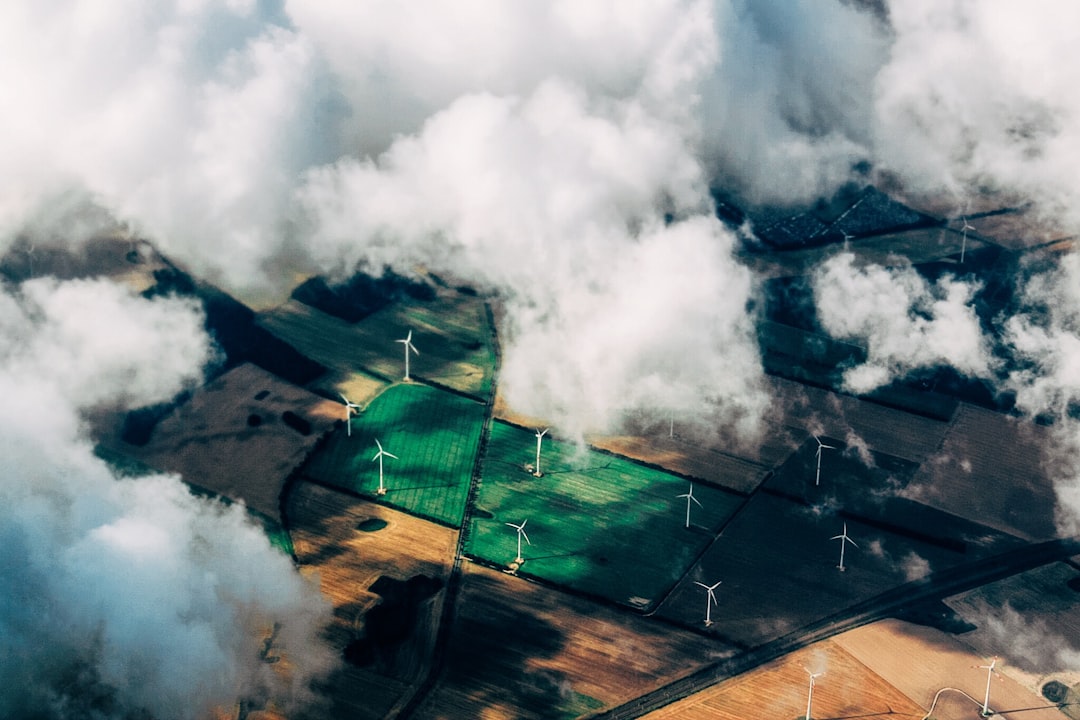
Photo by Thomas Richter on Unsplash
Picture this: a river in Scotland that hasn't seen a beaver in 400 years suddenly sprouts a dam. Trees are felled with surgical precision. Water pools behind carefully constructed barriers of wood and mud. A family of beavers has arrived, and they're about to completely reshape that ecosystem—whether local farmers like it or not.
This isn't a fantasy. This is happening right now across Europe, and it represents one of the most dramatic rewilding success stories of our time. After centuries of extinction, beavers are making a remarkable return, and they're bringing their architectural genius with them.
From Extinction to Expansion: How Beavers Came Back
The numbers tell a haunting story. In the 1600s, Europe was home to somewhere between 10 and 15 million beavers. By the 1900s, that number had plummeted to around 1,200. Nearly extinct. The culprit? Humans, naturally. We hunted them for their fur, their scent glands (used in perfume), and their meat. We saw them as pests and problems, not as keystone species essential to healthy waterways.
The turning point came unexpectedly. In the early 20th century, a few Scandinavian countries began protecting beaver populations as a conservation experiment. Nobody expected much to happen. But beavers are resilient creatures with a strong drive to reproduce and build, and slowly—very slowly—their numbers started climbing.
Today, Europe hosts roughly 1 million beavers. They're back in countries where they'd been completely absent for centuries. Germany now has around 25,000. Scandinavia remains the stronghold with hundreds of thousands. Poland, France, and Russia are all experiencing significant population growth. Switzerland even had to remove some beavers from areas where they were becoming too successful.
But here's where the story gets interesting. These aren't just beavers living quietly in remote forests. They're moving into human-dominated spaces, and they're transforming the relationship between water, land, and wildlife in ways that challenge everything we thought we knew about land management.
The Ecosystem Engineers Nobody Appreciated
Beavers aren't just pretty to look at. They're what ecologists call "ecosystem engineers," a fancy term for animals that physically restructure their environment. And their impact is staggering.
When a beaver builds a dam, it's not just creating a pond for itself. It's creating an entirely new habitat. Those dammed ponds filter water, removing sediment and pollutants. They recharge groundwater. They create wetlands that become havens for fish, amphibians, birds, and countless invertebrates. A single beaver dam can increase biodiversity in a stretch of river by orders of magnitude.
Research from Scottish environmental groups has documented this in startling detail. In one study, a single beaver family colonizing a stream resulted in the creation of 200 new ponds within just a few years. Those ponds became breeding grounds for rare species like great crested newts and spawning habitat for salmon. Fish populations in restored areas increased by up to 40 percent.
The water quality improvements are equally impressive. Those beaver ponds act like natural water treatment facilities. As water sits behind dams, suspended particles settle. Nitrogen and phosphorus—the agricultural runoff that chokes waterways—are absorbed by wetland plants. Some regions experiencing agricultural pollution have actually seen measurable improvements in downstream water quality directly attributable to beaver activity.
Climate change? Beavers are helping with that too. The wetlands they create store vast amounts of carbon in their soils. Some researchers believe rewilded beaver populations could play a meaningful role in carbon sequestration, though we're still gathering data on the scale of this effect.
The Conflict Nobody Wants to Talk About
Before you imagine beavers as perfect conservation heroes, we need to address the elephant in the room: they're destroying people's stuff, and nobody's happy about it.
Farmers along European rivers have been dealing with flooding caused by beaver dams. Landowners watch in frustration as valuable timber trees get felled. Roads have been compromised by flooding. In some areas, beaver activity has damaged wetland management systems that conservationists had spent decades carefully maintaining.
This has created a genuine conflict between conservation goals and practical land management. In Germany, debates about beaver control have become surprisingly heated. Some regions have opted to trap and relocate problem beavers. Others have attempted to modify beaver behavior through dam-removal operations, though beavers are remarkably persistent and will simply rebuild.
What's emerged from this conflict is actually more nuanced than simple win-lose scenarios. In many cases, communities have learned to coexist with beavers through creative management. Installing devices that allow water to flow while preventing dam buildup. Planting trees beavers won't touch in vulnerable areas. Coordinating with farmers to accept some flooding in exchange for ecosystem benefits and potential carbon credits.
The reality is messy. Rewilding always is. Beavers don't ask permission before transforming waterways. They don't care about our irrigation systems or property lines. But increasingly, the data suggests that the long-term benefits of their presence outweigh the short-term costs—if we're willing to accept some disruption.
What Beaver Success Teaches Us About Rewilding
The beaver's return is instructive for broader rewilding efforts. It shows us that extinct species can recover. It demonstrates that ecosystem restoration isn't always about expensive interventions or carefully controlled programs. Sometimes, you just protect a species and let natural processes work.
But it also shows us that rewilding isn't simple or without controversy. Humans have spent centuries shaping landscapes to suit our needs. Undoing that requires accepting some loss of control, some unpredictability, some inconvenience. That's the bargain we strike when we choose to share space with wild creatures.
For those concerned about the broader health of Europe's waterways, the beaver's return is genuinely hopeful news. These creatures are improving water quality, increasing biodiversity, and adapting to human-modified landscapes in ways that few other rewilding species can match. And if we're serious about addressing the interconnected crises of habitat loss and climate change, learning to live with beavers might be one of our better options.
The 400-year extinction is reversing. The question now isn't whether beavers will return to European rivers. They already have. The real question is whether we're willing to adapt our relationship with the landscape to accommodate them.
If you're interested in how other species are reshaping ecosystems in unexpected ways, consider reading about how microplastics are rewiring evolution itself—a darker but equally important story about human influence on the natural world.
Comments (0)
No comments yet. Be the first to share your thoughts!
Sign in to join the conversation.