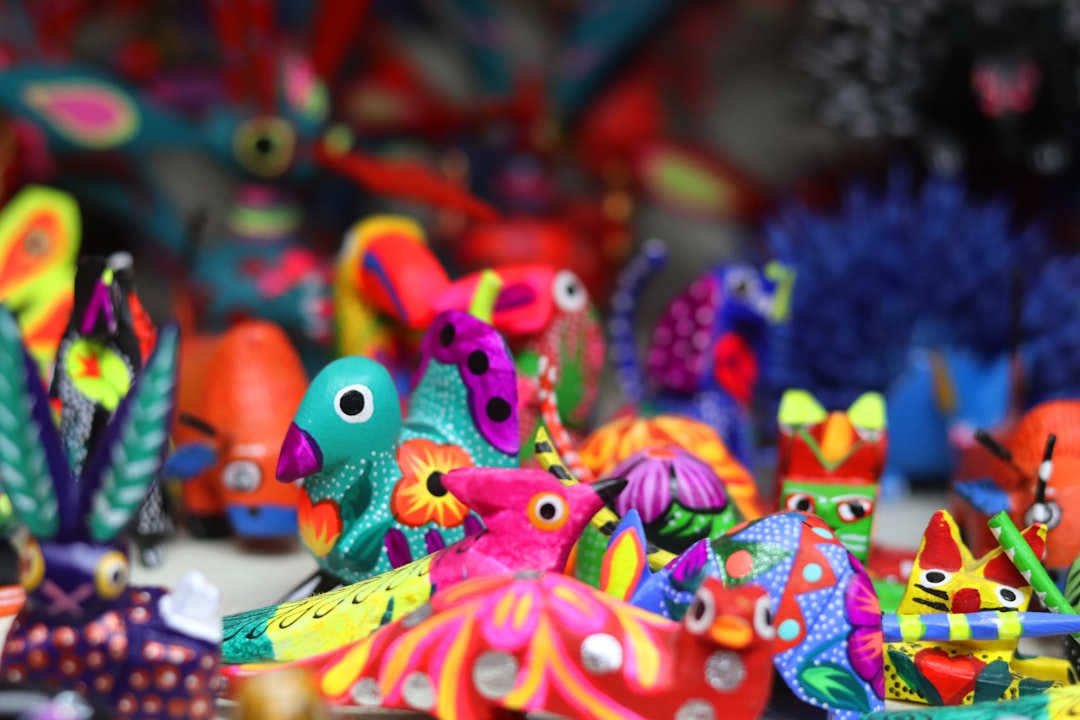
Photo by analuisa gamboa on Unsplash
Last Tuesday, I spent forty minutes watching someone explain the difference between "cottagecore" and "farmcore" aesthetic on TikTok. Not because I wanted to. Because the algorithm decided I needed this information at 2 AM. The creator had 847,000 followers. All of them presumably caring deeply about the exact shade of moss green in their rural-themed bedroom.
This is not a sign of cultural decline. This is the opposite. This is what happens when the gatekeepers finally leave the room.
The Death of the Mainstream Monoculture
Remember when everyone watched the same three TV shows? When there were maybe five music genres that mattered? When you could have an entire conversation with a stranger about last night's primetime television? Those days are genuinely gone, and we're all still adjusting to the weirdness of it.
According to Spotify's 2023 data, there are now over 100 distinct micro-genres of electronic music alone. Not varieties. Genres. With their own production techniques, philosophical underpinnings, and—most importantly—communities of people who would rather die than admit that techno and footwork are somehow related.
The streaming era didn't just democratize access to culture. It completely dismantled the idea that a cultural authority should exist at all. Netflix doesn't tell you what's good. Spotify doesn't curate your taste. Instead, an algorithm watches what you watch at 11 PM on a Wednesday and connects you with 50,000 other people who also have inexplicably specific preferences.
The Internet's Greatest Gift: Permission To Be Weird
There's a corner of the internet dedicated to people who exclusively watch cooking shows from the 1970s. Another thriving community obsesses over transit maps as artistic statements. A Discord server with 12,000 members coordinates the meticulous restoration of abandoned amusement parks through photographs and archival research.
These subcultures aren't small because they're niche. They're niche because the internet finally gave people permission to be exactly as weird as they actually are.
I know a guy—genuinely talented, genuinely passionate—who creates music using only sounds from defunct Casio keyboards. He has 40,000 monthly Spotify listeners. Ten years ago, this person would have been unemployed and lonely. Now he's got a community, income from streaming, and collaborators in seven countries. The infrastructure to support extremely specific cultural pursuits finally exists.
The beauty is that nobody needs to understand anymore. Your mom doesn't need to get cottagecore for it to be valid. Your friends don't need to appreciate vaporwave for it to mean something. The barrier to cultural legitimacy has been completely destroyed.
Why This Actually Matters Beyond the Aesthetics
This fragmentation reveals something crucial about human nature that the monoculture was actively suppressing: we're not actually a homogeneous species with shared preferences. We're infinitely more interesting than that.
Consider fashion. For decades, fashion was something that happened to people. Designers decided. Department stores sold. People wore. But now? There are thousands of micro-communities creating their own fashion movements simultaneously. Y2K is back, but so is dark academia and gorpcore and "de-influencing." Someone's great-grandmother's cardigan is genuinely fashionable again, but only if you know where to look and why it matters.
This decentralization has real social consequences. People with marginalized identities, unusual interests, or unconventional ideas no longer have to wait for mainstream acceptance. They can find their people immediately. A genderqueer teenager interested in 1980s Japanese arcade aesthetics can connect with a global community of 50,000 people who get it completely.
As we've discussed elsewhere about how artificial intelligence is reshaping cultural creation, technology continues to dissolve old barriers between creators and audiences. What once required institutional gatekeepers—record labels, publishing houses, fashion houses—now requires only the ability to create and share.
The Downsides Nobody Wants To Admit
Of course, fragmentation creates its own problems. Algorithmic bubbles have gotten worse, not better. Someone deep in the cottagecore community might never encounter a completely different worldview. The algorithm learns what you like and builds walls around it.
There's also something lost in the shared cultural reference points. Nobody can bond over "remember that episode?" when everyone watched something different. We're more connected and more isolated simultaneously. It's strange. It's disorienting.
The rabbit holes are deeper now too. Someone can go from casual interest in vintage Tamagotchis to full-on obsession with Japanese portable gaming culture to actual financial investment in retro tech in about three weeks. The internet doesn't have speed bumps anymore.
What Comes Next
We're living through the biggest cultural realignment in human history, and we're mostly treating it like it's normal. Because to people under 30, it basically is.
The future isn't one culture or a thousand cultures. It's millions of overlapping cultures, some with millions of members, some with exactly 47. You'll never understand what your neighbor is into, and they won't understand you either. But you'll both find your people, your communities, your exact vibe somewhere in the digital infinite.
The weird part? That's not a bug. That's actually freedom. And after centuries of being forced to care about the same things, we're still learning what to do with it.
Comments (0)
No comments yet. Be the first to share your thoughts!
Sign in to join the conversation.