
AI Is Leading Us Somewhere Better… But We Have to Get Through This Hard Part First
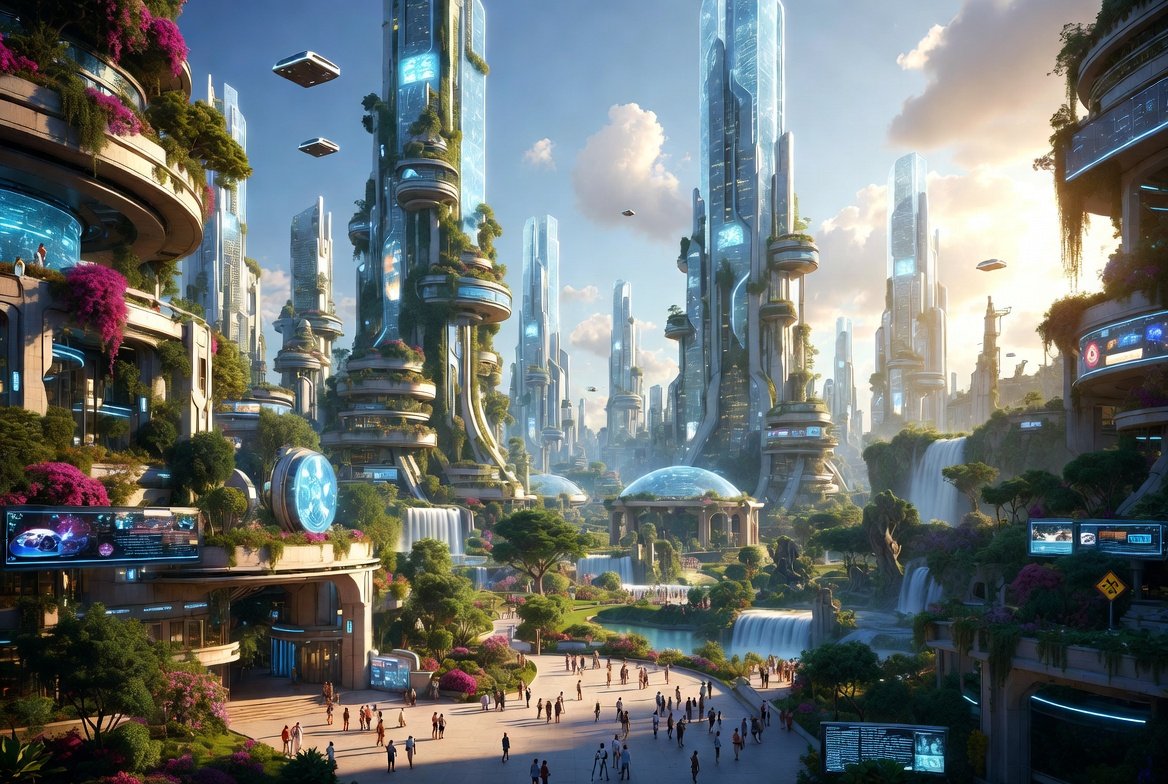
There’s a strange tension in the air right now.
On one hand, AI feels exciting—like something powerful, even magical.
On the other, it’s unsettling. Jobs feel uncertain. The pace of change is overwhelming. It’s hard to tell what’s real, what’s automated, what’s coming next.
And if you’ve been paying attention, many of the people building AI—the ones closest to it—are saying the same thing:
The next few years are going to be hard.
Not the end of the world.
But definitely… an adjustment.
Why This Part Feels So Uncomfortable
We’re not just adding a new tool to society.
We’re reshaping how everything works—work, creativity, communication, even identity.
And when something that big shifts, it doesn’t feel smooth.
It feels like:
Confusion about where you fit
Fear of being replaced or left behind
A sense that the rules are changing faster than you can keep up
That discomfort isn’t a sign something is wrong.
It’s a sign something big is happening.
What the “AI Leaders” Are Actually Saying
If you listen carefully, the message isn’t hype—it’s more grounded than that.
A lot of leaders in AI have openly said:
There will be job disruption
Entire industries will need to adapt quickly
Society will go through a reorganization phase
But they also say something else, just as clearly:
On the other side of this, life can be better.
Not perfect. But better.
Better How?
Not in some vague, futuristic way—but in real, human ways:
Less meaningless work
A lot of repetitive, draining tasks can be handled by AI.
That opens space for people to focus on:
Creativity
Problem-solving
Human connection
Purpose-driven work
More access to knowledge
AI is already making complex information easier to understand.
That means:
More people can learn faster
Fewer barriers to education
Ideas can spread without gatekeepers
New kinds of opportunities
Just like the internet created jobs no one could have imagined before, AI is doing the same.
Roles, industries, and creative paths are emerging that didn’t exist even a few years ago.
Potential for a more balanced life
If used well, AI could reduce overwork and burnout.
But this depends on how society chooses to use it.
That’s the key part.
The Hard Truth: The Transition Won’t Be Easy
This is the part no one likes to sit with.
Before things stabilize, there will likely be:
Job shifts and uncertainty
Financial stress for some people
Systems that feel outdated or strained
Emotional resistance to change
It’s not just technological—it’s psychological.
Humans don’t like rapid change.
And this is one of the fastest shifts we’ve ever experienced.
Why This Painful Phase Matters
It’s easy to wish we could skip this part.
But historically, every major shift has had a period like this:
The industrial revolution
The rise of the internet
Even electricity
At the time, each one disrupted lives.
But over time, they reshaped society in ways that made life more efficient, connected, and—overall—better.
AI is following that same pattern… just faster.
What This Means for You (Right Now)
You don’t have to solve the future.
You just have to navigate this moment.
A few grounded ways to approach it:
Stay adaptable—things will keep changing
Learn enough about AI to understand it, not fear it
Focus on skills that are deeply human (creativity, empathy, judgment)
Don’t panic if things feel uncertain—that’s part of the transition
A More Honest Way to See AI
AI isn’t purely good or bad.
It’s a tool—and a powerful one.
Right now, we’re in the messy middle:
Not the old world anymore
Not fully in the new one yet
That space is uncomfortable.
But it’s also where things are being shaped.
The Bigger Picture
If the people closest to AI are right, then this period we’re in now…
is temporary.
A difficult adjustment phase where systems shift, people adapt, and society recalibrates.
And on the other side of that?
A world that could be:
More efficient
More creative
Less burdened by repetitive work
More open to new ideas
Final Thought
It’s okay if this moment feels uncertain.
You’re not behind. You’re not missing something.
You’re just living through a turning point.
And turning points don’t feel comfortable when you’re inside them.
But they’re often what lead to something better.
Cover photo by Luke Jones on Unsplash
Comments (0)
No comments yet. Be the first to share your thoughts!
Sign in to join the conversation.