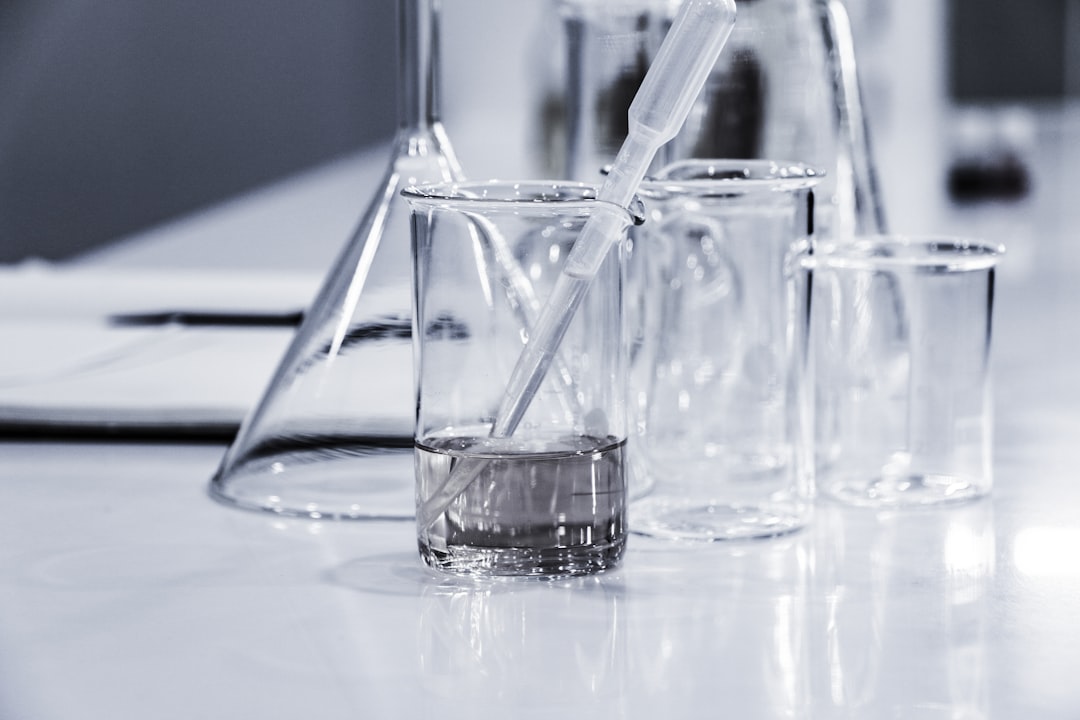
How Bacteria Learned to Eat Plastic—And Why It's Not a Silver Bullet
Scientists discovered bacteria that evolved to consume plastic in just 30 years. But this breakthrough brings uncomfortable questions about whether biology can outpace human consumption.
The Octopus's Nine Brains: How a Creature Without Centralization Masters Problem-Solving
While humans rely on one brain, octopuses have evolved nine independent neural centers that let their arms think for themselves—and scientists are just beginning to understand how.
The Peculiar Physics of Why Cats Always Land on Their Feet (And Scientists Finally Know Why)
A centuries-old mystery solved: how cats perform their gravity-defying mid-air rotations without violating the laws of physics.
Tardigrades Can Survive in Space, But Here's Why We Still Can't
These microscopic creatures have survived radiation and vacuum. So why hasn't NASA figured out how to replicate their superpower for human space travel?
The Forgotten Sense: How Your Vestibular System Controls Everything (And Why Most People Have Never Heard of It)
Balance isn't just about not falling over. Your vestibular system controls your eyes, your sense of space, and even your ability to think clearly—yet it remains science's best-kept secret.
The Unexpected Brain Benefits of Getting Lost: How Disorientation Rewires Your Mind for Creativity
Scientists are discovering that getting lost isn't a cognitive failure—it's actually a powerful trigger for neural plasticity, spatial learning, and creative problem-solving.
Why Octopuses Are Breaking Our Understanding of Intelligence (And What It Means for Humans)
These eight-armed creatures possess distributed intelligence that defies everything we thought we knew about how brains work. Scientists are scrambling to understand how they do it.
The Ghost Neurotransmitter That Rewrites Your Brain While You Sleep
Scientists discovered that adenosine, a mysterious chemical building up in your brain during waking hours, might be the key to understanding why sleep is absolutely non-negotiable for survival.
Why Your Body's Circadian Rhythm is Being Sabotaged by Your Smartphone
Blue light from screens is rewiring your sleep cycle in ways scientists are only now understanding. Here's what's happening inside your brain.
The Surprising Truth About Why Octopuses Have Nine Brains (And What It Means for AI)
Octopuses process information in radically different ways than humans. Their distributed neural architecture might hold keys to building smarter, more resilient artificial intelligence.