The Killer Premise: How One Sentence Can Make or Break Your Entire Novel
A killer premise isn't just marketing fluff—it's the skeleton key that unlocks every major decision in your novel. Here's how the best writers use it.
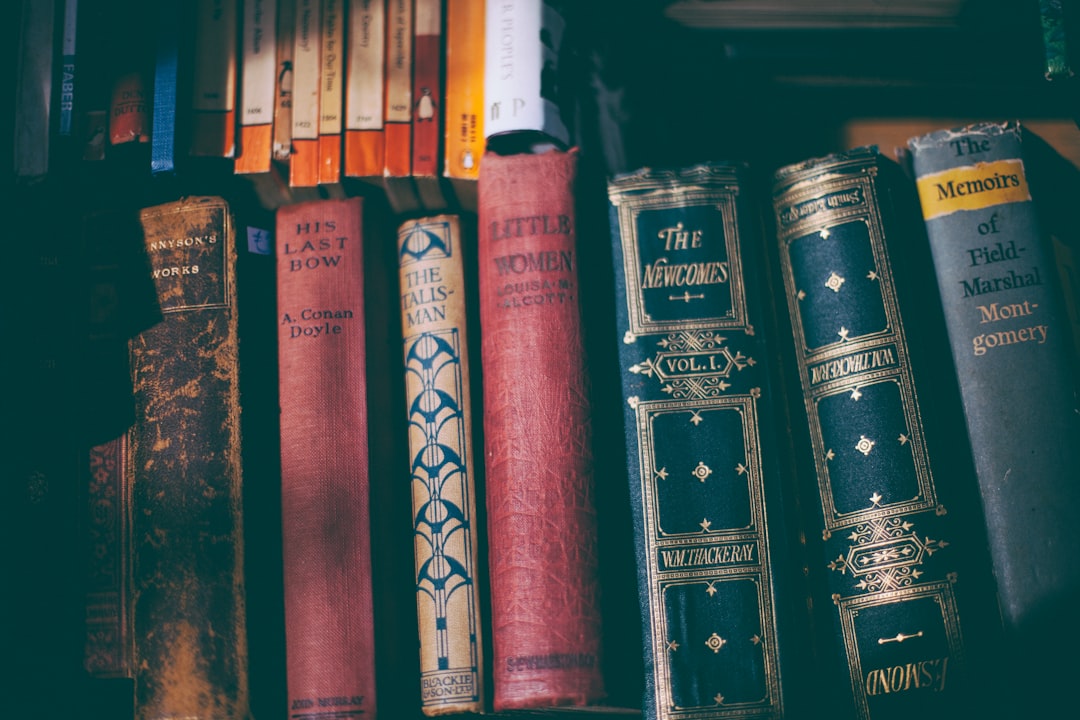
Why We're Obsessed With Time-Loop Narratives That Break Our Brains
From Groundhog Day to Russian Doll, the time loop has become fiction's favorite way to trap characters—and readers—in beautiful, maddening cycles. Here's why we can't stop coming back.
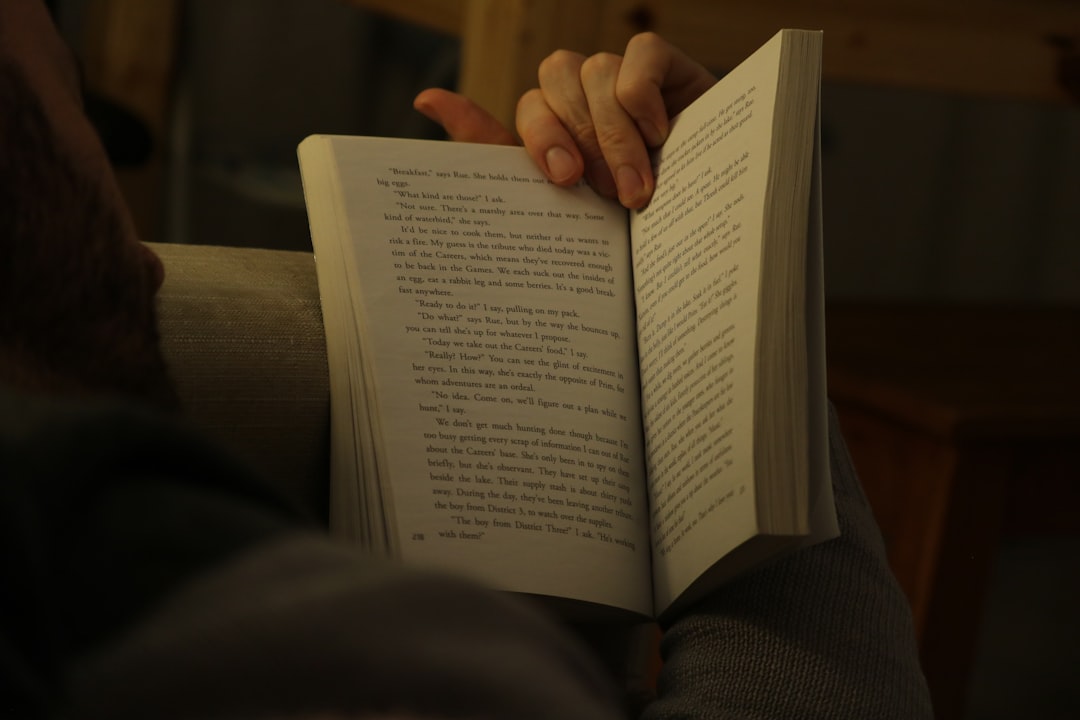
The Revenge Plot That Ate Itself: Why Modern Fiction Keeps Getting Vengeance Wrong
Revenge stories dominate contemporary fiction, yet most miss the mark. Here's what separates a satisfying vendetta narrative from a forgettable one.

The Unreliable Narrator Trap: Why Readers Fall in Love with Liars
From Gone Girl to Lolita, unreliable narrators have captivated readers for decades. But what makes us trust someone who's actively deceiving us?

The Revenge Narrative That Ate Itself: Why Antiheroes Broke the Stories We Thought We Understood
From Walter White to Villanelle, the antihero has become so dominant that audiences now expect moral corruption. But what happens when even the revenge plot demands redemption?

The Villain's Love Story: Why Antagonists Make the Best Romantic Leads
From Heathcliff to Kylo Ren, we explore why readers fall hardest for morally complex villains—and what that says about modern romance fiction.
The Unreliable Narrator's Cruel Trick: Why Readers Keep Getting Played and Loving Every Second
From Fight Club to Gone Girl, unreliable narrators have mastered the art of lying to us. Here's why we can't resist being fooled.
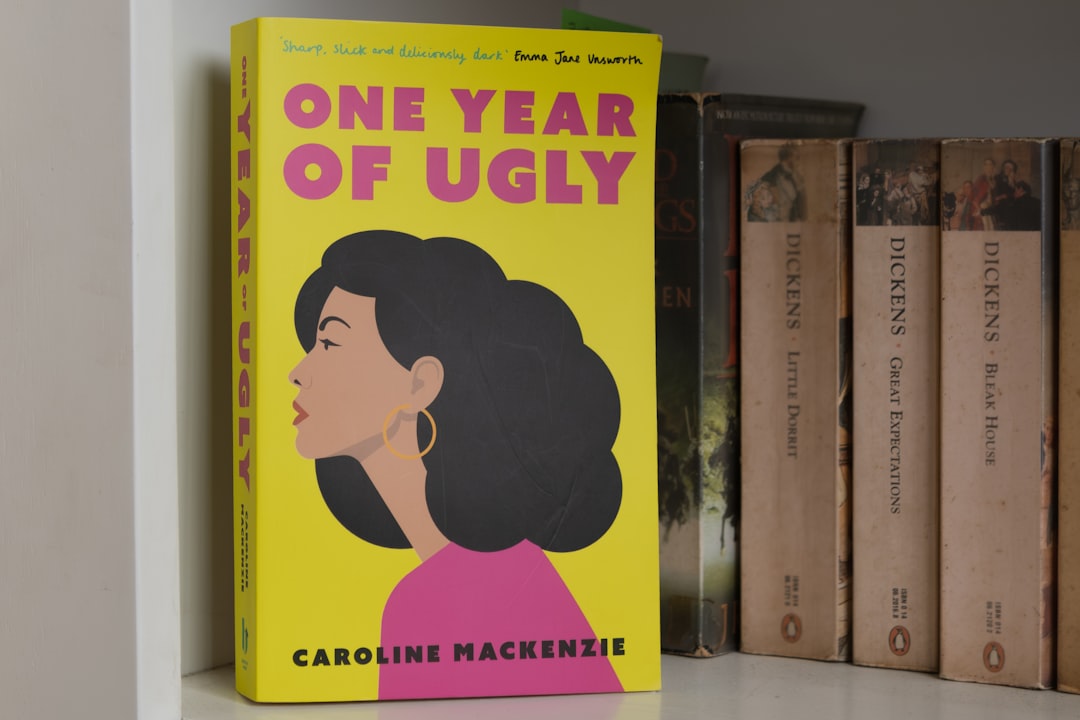
The Unreliable Narrator's Double Life: When Story Becomes Deception
Unreliable narrators aren't just liars—they're mirrors forcing readers to question everything. Here's why this technique creates fiction's most unforgettable reading experiences.
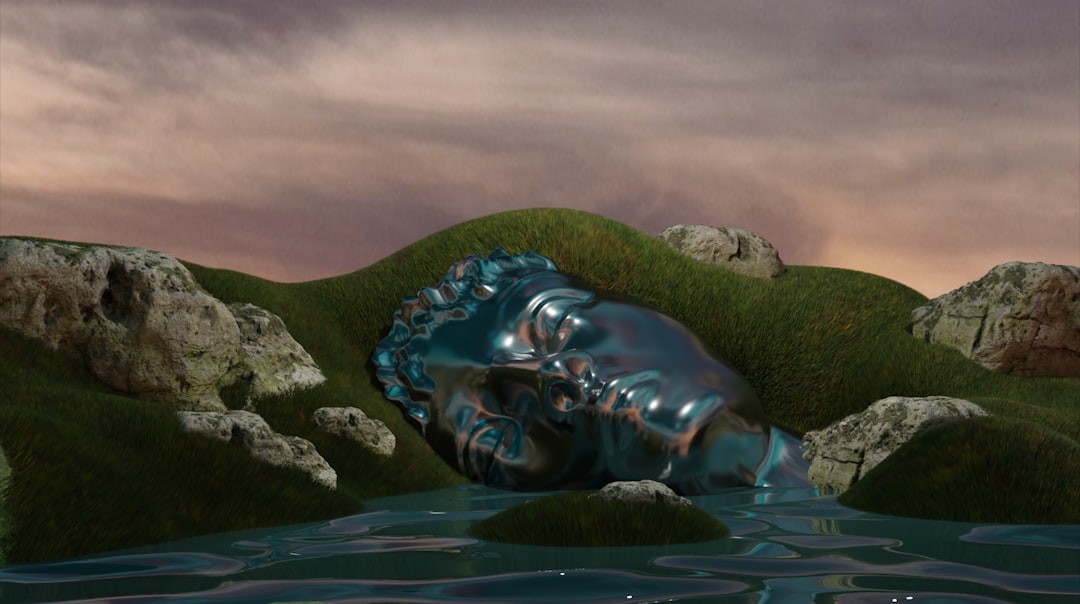
The Forgotten Art of Epistolary Fiction: Why Letters Still Make Us Weep
From Victorian confessions to modern heartbreak, stories told through letters create an intimacy no other narrative form can match. Here's why this ancient technique refuses to die.

The Second-Person Trap: Why 'You' Might Be the Most Dangerous Narrator in Fiction
Second-person narration is rare, disorienting, and wildly effective. Here's why more authors should embrace this bold narrative choice—and why readers can't look away.