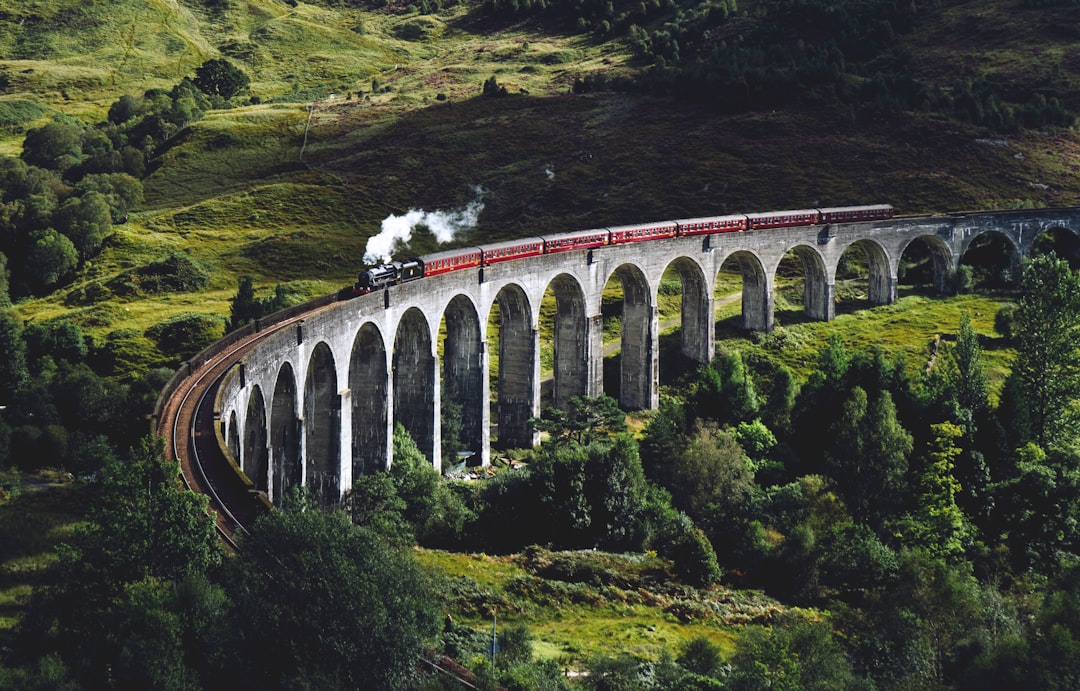
Photo by Jack Anstey on Unsplash
The conductor's whistle pierced the Vienna night air at 9:47 PM, exactly thirteen minutes late. I was standing on the platform with my backpack, watching businessmen in pressed suits settle into their compartments while backpackers debated whether the cramped bunk beds were cozy or claustrophobic. This wasn't a scene from a 1980s travel documentary. This was last month, and it perfectly captured something remarkable happening across Europe right now: overnight trains are having a moment.
For the better part of three decades, sleeper trains seemed destined for extinction. Budget airlines made intercontinental hops cheaper than ever, and rail companies quietly mothballed their overnight services. But something shifted around 2020. ÖBB, Austria's national rail company, started expanding its Nightjet network. Switzerland launched new routes. Germany's Deutsche Bahn introduced fresh sleeper cars. Suddenly, the romantic notion of falling asleep in one city and waking in another wasn't just nostalgia—it was actually happening again.
Why Trains Are Beating Airlines (And It's Not Just About Romance)
Yes, there's undeniable charm in watching the countryside blur past your window as you sip terrible coffee from a paper cup. But the resurgence isn't purely sentimental. The math actually works in favor of trains now, particularly when you factor in what I call "the hidden costs of flying."
Consider a trip from Paris to Rome. A budget flight might cost €40-60, but then you're paying €15-20 for airport transfers each way, arriving three hours early (so add travel time), dealing with potential delays, and arriving at an inconvenient airport outside the city. An overnight train costs more upfront—typically €80-150 depending on accommodation class—but you leave from city center, wake up refreshed, and skip a hotel night entirely. Suddenly that €100 train ticket is saving you €150 in accommodation plus all the airport logistics.
Environmental consciousness matters too. A 2023 analysis by the International Union of Railways found that trains produce approximately 14 times fewer CO2 emissions per passenger than flights. For the growing segment of travelers who actually care about their carbon footprint, overnight trains represent a legitimate way to explore Europe without the guilt.
Then there's the practical matter of time. You're not wasting daylight hours sitting in airports or on planes. You board at 10 PM in one city and step out refreshed at 8 AM in another, ready to start exploring immediately. That's not just efficient—it's genuinely genius if you're working with limited vacation days.
The Reality Check: Comfort Levels Vary Wildly
I need to be honest here because Instagram has painted an absurdly romantic picture of sleeper trains that doesn't match reality for budget travelers.
The cheapest tickets get you a seat that reclines to maybe 120 degrees. You're sleeping upright next to a stranger, breathing recycled air, and waking up stiff-necked at 4 AM when the train stops in Linz for no apparent reason. I've done this. It's not luxurious. It's survivable, and sometimes kind of fun if you're in the right mindset, but don't expect to wake up refreshed.
The second tier offers a shared couchette—a compartment with six bunk beds (three per side). You get a thin mattress, a pillow that smells faintly of industrial laundry, and absolute intimacy with five strangers. On my Vienna journey, I was bunked with a German businessman who snored like a congested moose, two teenage girls who talked until 2 AM, and a woman who apparently needed to reorganize her entire suitcase at 3 AM. Did I sleep? Technically, yes. Peacefully? Absolutely not.
First-class sleeper compartments are genuinely nice. A private or shared cabin with an actual bed, clean linens, and a sink. These run €150-300+ and are what you see in the glossy travel magazines. They're wonderful. They're also not what most budget travelers will be booking.
The real trick is managing expectations. A night train isn't about luxury; it's about efficiency wrapped in novelty. You're trading comfort for convenience, and whether that's a good deal depends entirely on your priorities.
The Routes Actually Worth Your Time
Not every overnight train is equally worthwhile. Some routes genuinely shine; others feel like you're just sleeping on a train because you felt obligated to.
The Vienna-Prague-Berlin triangle works beautifully. These routes have been revitalized, the trains are modern, and the distances are perfect for sleeping—long enough that you're actually saving a travel day, short enough that you're not trapped in a bunk for 12 hours. The Paris-Vienna Nightjet is exceptional; you board in Paris and wake in Austria, crossing an entire country overnight.
I'd skip the shorter routes like Amsterdam-Paris unless you're fetishizing the experience. You're only sleeping five hours and you'll feel it.
The Spanish Talgo trains get mixed reviews—they're older but have character, and the Spanish food service is better than you'd expect. The Italian night trains have recently been upgraded and are gaining traction. Swiss trains are predictably excellent but also predictably expensive.
Pro tip: Book during off-peak season (January, April, September) and you'll have better compartment conditions. Summer trains are packed with backpackers and families, which is fun for socializing but rough for sleeping.
Making the Experience Actually Work
If you're going to do this, do it deliberately. Pack earplugs and an eye mask—non-negotiable. Bring your own pillow or at least a pillowcase; it makes a psychological difference. Travel light because hauling a massive suitcase into a narrow corridor at midnight is its own special hell.
Board early if possible. You want to claim a decent spot, orient yourself to the compartment, and not be the last person stumbling in when everyone's already asleep. Strike up conversations if you're interested in meeting people; compartments become these weird little communities by morning.
Most importantly, embrace that you're not sleeping in a bed—you're participating in a slightly chaotic, very European experience. Some nights that will frustrate you. Other nights, you'll wake up in a new country, slightly disheveled but genuinely energized by the adventure.
If you want to maximize the human experience of travel, consider the 48-hour rule when you arrive at your destination—it'll help you actually connect with where you've traveled to, rather than just collecting photos.
The Future of European Travel
The numbers suggest this isn't a temporary trend. ÖBB reported a 300% increase in Nightjet passengers from 2019 to 2023. Bookings continue climbing. There's talk of expanding sleeper service to Amsterdam, Munich, and even London (though UK integration remains complicated).
The European Union has been quietly supportive, recognizing that overnight trains reduce reliance on short-haul flights, which are terrible for emissions per kilometer traveled. Train companies are modernizing fleets, adding WiFi, and actually marketing to younger travelers instead of just families and retirees.
Will overnight trains become the dominant way to travel Europe? No. Budget flights aren't going anywhere. But they're carving out a genuine niche for travelers who value time, environmental impact, and yes, a little bit of romantic adventure.
Next time you're planning a European trip, don't automatically default to the flight comparison sites. Check the train options. You might save money, gain time, skip the airport nightmare entirely, and have a story that's infinitely more interesting than "I flew somewhere." The worst case scenario? You spend a slightly uncomfortable night on a moving train and wake up somewhere new. That's still pretty good.
Comments (0)
No comments yet. Be the first to share your thoughts!
Sign in to join the conversation.