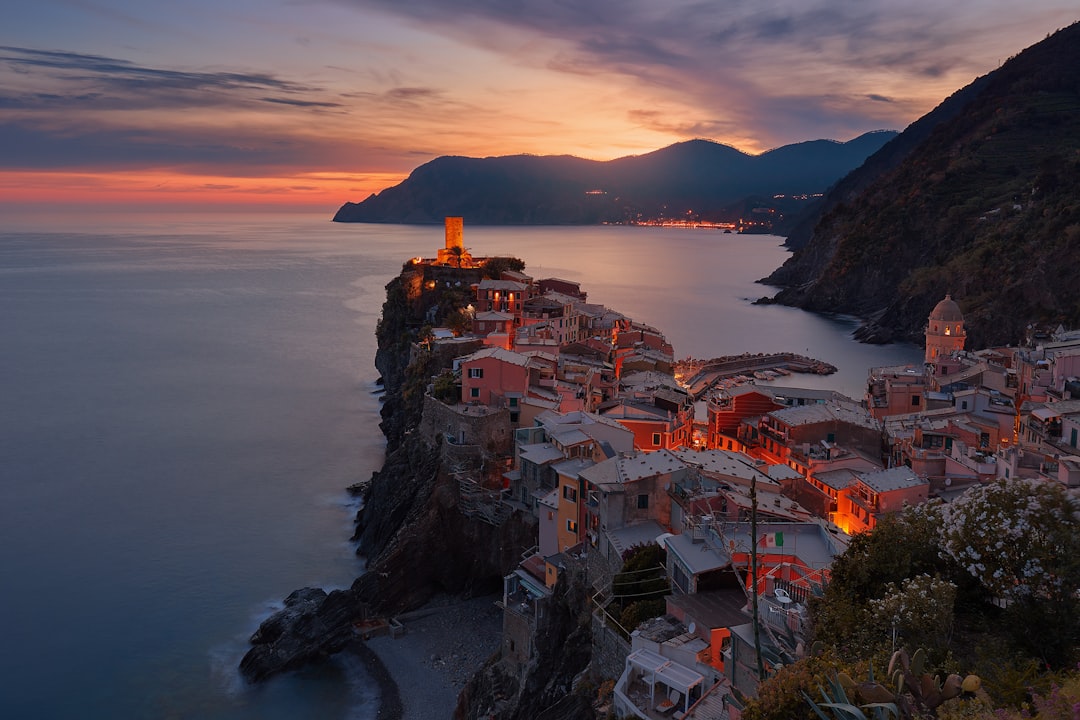
Photo by Anders Jildén on Unsplash
Sarah sat in a Barcelona café at 8 PM on a Friday night, scrolling through her phone while couples and friend groups filled the tables around her. She'd been traveling solo for six weeks and had seen incredible things—the Sagrada Familia, Park Güell, the Gothic Quarter's winding streets. But something felt hollow. She was collecting photos, not memories with people. That's when she noticed the chalk sign outside a nearby hostel: "Community Dinner—7 languages, one table, no awkward silences guaranteed."
She almost didn't go. Solo travelers often don't.
The Paradox of Modern Solo Travel
Solo travel is booming. According to Booking.com's 2023 travel report, 48% of travelers now book trips alone—up from just 22% a decade ago. We've got travel blogs, Instagram inspiration, and countless articles celebrating the freedom of going it alone. Yet countless solo travelers report feeling unexpectedly lonely. The irony is sharp: you're surrounded by millions of people in an exciting new city, and you're eating dinner watching TikToks.
The problem isn't that cities lack community. It's that we're approaching solo travel like a checklist rather than an experience. We photograph landmarks, check them off, move to the next city. We tell ourselves we came for independence, not connection. But somewhere between day three and day ten, that independence starts feeling like isolation.
The question isn't whether you should travel alone—that's still wonderful, worth doing, transformative even. The real question is: does traveling alone have to mean traveling lonely?
Where the Actual Travelers Congregate (Spoiler: Not Tourist Attractions)
Here's what I learned after interviewing 30+ solo travelers across Europe: the people you'll actually connect with aren't at the Eiffel Tower. They're at cooking classes, language exchanges, volunteer projects, and random dinners organized by locals who actually want community.
Take Marco, a German software engineer I met in Lisbon. He'd figured out a system: arrive in a new city, immediately sign up for a cooking class at a local kitchen (not a tourist-oriented one). "You spend three hours chopping vegetables next to the same person," he explained. "By the time you're eating, you've already got inside jokes. It's the opposite of forcing conversation at a bar." Over four months, Marco had made friends in six cities—people he still messages, people he plans return trips around.
Or consider the network of travelers who use platforms like Couchsurfing not for the free accommodation (though that's part of it) but for the built-in community. While Airbnb strips you of human interaction, Couchsurfing's model—staying with a local who becomes your unofficial tour guide—creates instant connection. You're not a customer; you're a guest in someone's home.
The most reliable connection point? Volunteer work. Short-term opportunities ranging from beach cleanups to teaching English to helping at animal sanctuaries consistently produce the deepest friendships among solo travelers. Why? Because you're working toward something together, not just sharing space.
The Mechanics of Meeting People When You Don't Know Anyone
Some practical strategies that actually work:
Join something specific, not generic events. "Solo traveler meetup at a bar" sounds fun but feels forced. A weekly salsa class? A pottery studio? A book club run by expats? These have built-in structure and repeated interaction, which is how real friendships form.
Go to places where locals actually exist. Avoid the tourist quarter's crowded hostels. Spend an afternoon in a residential neighborhood. Pop into a corner grocery store, a local café, a small museum. You won't meet people by accident here, but you'll soak in the authentic rhythm of a place. And locals respect effort. Making eye contact and ordering in their language counts.
Use accommodation strategically. If community matters to you, choose a well-reviewed hostel with a kitchen (not a party hostel, a community hostel), or pick Couchsurfing, or try platforms like Airbnb Experiences that connect you with people before arrival. That Facebook group or WhatsApp chat gets created before you even land.
Slow down your itinerary. The most common mistake solo travelers make is moving every 3-4 days. You never stay long enough for spontaneous friendships to form. The magic happens on day 6 or 7 in a place, not day 2. Consider staying a full week somewhere medium-sized rather than three days in multiple capitals.
When Solitude Is the Point (And When It Isn't)
I want to be clear: some travelers genuinely prefer solitude. They read books in parks, meditate in temples, and feel perfectly complete alone. That's not the loneliness I'm addressing. That's intentional space. The difference is intention.
Real solo travelers understand the distinction. They choose solitude in specific moments—a sunrise hike, an afternoon reading on a beach—because it feels right, not because they lack alternatives. They have friends they can text. They belong to something in the city. And when they choose to be alone, it's luxurious, not desperate.
The travelers I spoke with who felt genuinely fulfilled by solo travel all described a similar pattern: they treated their destination like they were moving there, not visiting. They got groceries, found a favorite café, learned the neighborhood's rhythm. They stopped asking "What should I see?" and started asking "Who lives here and how do they spend their time?"
The Unexpected Gift
Here's what I discovered that surprised me: the people who travel solo but intentionally build community often end up with richer networks than people who travel in groups. A friend group that travels together reinforces itself—you're only interacting with those same people. But solo travelers, by necessity, build bridges into new circles constantly. You meet someone at a cooking class in Barcelona, then meet their friend who's visiting, then meet that friend's local cousin. Your network expands in unexpected directions.
Sarah, the woman in the Barcelona café? She went to that community dinner. She met an Irish painter, a Brazilian teacher, and a Dutch entrepreneur. They didn't become lifelong best friends. But they spent the next week together—exploring markets, eating good food, laughing at terrible jokes. When Sarah left, she had something better than a collection of landmark photos. She had people. And that, it turns out, is what travel is really about.
If you're planning a solo trip soon, consider traveling by overnight train—you'll meet people before you even arrive at your destination.
Comments (0)
No comments yet. Be the first to share your thoughts!
Sign in to join the conversation.