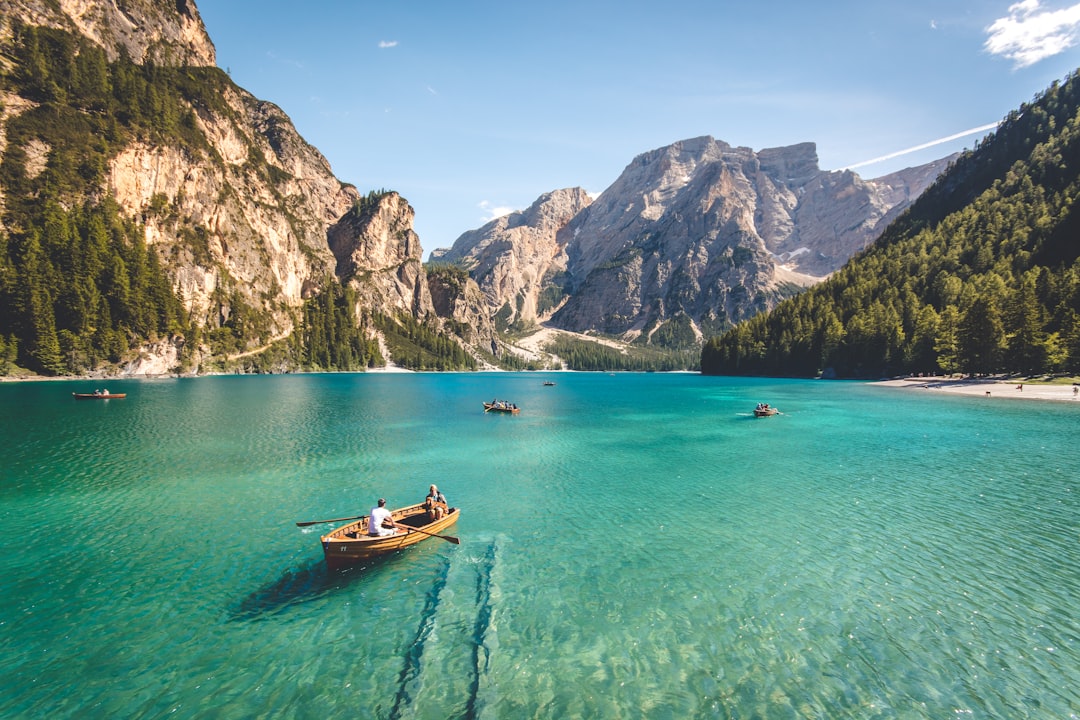
Photo by Pietro De Grandi on Unsplash
The hostel in Bangkok's Khao San Road was exactly as advertised: chaotic, loud, and full of other travelers who seemed to have figured out something I hadn't. I was three weeks into my solo Southeast Asian journey, and I'd already made nearly every rookie mistake possible. Wrong hotels in wrong neighborhoods. Overpaying for everything. Taking sketchy tuk-tuks at midnight. Missing trains because I'd confused the station names.
That's when a woman named Sophie, a French traveler on her fifth Southeast Asian trip, sat down next to me and asked the question I'd been dreading: "What are you actually doing here?" Not in a rude way. Just genuinely curious about my itinerary, which I'd planned using three different travel apps and absolutely no real system.
Over the next week, Sophie taught me something nobody mentions in the shiny travel blogs: traveling solo through Southeast Asia isn't about Instagram moments or collecting passport stamps. It's about understanding the rhythm of the region, knowing when to splurge and when to save, and recognizing that sometimes the best experiences happen when your plans completely fall apart.
The Southeast Asia Sweet Spot: Timing and Routes Most People Get Wrong
Everyone knows about the Southeast Asian monsoon season. What they don't know is that "monsoon" doesn't mean the same thing everywhere at the same time. While it's pouring in Thailand's Phuket, it might be perfectly dry in Siem Reap, just a few hours away.
Most solo travelers pile into Thailand, Vietnam, and Cambodia during November through February—the dry season. Hotels during this period cost nearly triple what they do in June. Long-tail boat tours come with crowds that make you feel like you're at Disney World, not exploring hidden islands.
Sophie convinced me to flip my route. Instead of hitting the overdone trail, we went to Laos first, spent two weeks there during the early monsoon season (which actually means less crowd, not less travel-ability), then moved south as the weather patterns shifted. Accommodation costs? About 60% cheaper than peak season. Tourist infrastructure? Exactly as good, just with actual breathing room.
The data backs this up. According to research from Southeast Asia tourism boards, only about 12% of independent travelers actually research location-specific weather patterns. Most just avoid the entire region during "monsoon season" and create a bottleneck in everyone else's destination.
The Money Game: Where Solo Travelers Actually Overspend
Everyone tells you that Southeast Asia is cheap. That's technically true, but it's a lie by omission. Yes, pad thai costs $1.50. But the way most solo travelers eat, they're spending more per day than they would in many European cities.
Here's what happens: You arrive jet-lagged and disoriented. You eat at the "nice" restaurant where other tourists go. You book that cooking class because the hostel recommended it. You take a private tour instead of the group one. You get tired of negotiating prices and start paying the first asking price. Over 30 days, these decisions compound into an extra $1,500 or more.
The trick Sophie taught me was to separate "tourist experience" from "tourist trap." A cooking class in a local home in rural Thailand? Worth every penny. The same cooking class in central Bangkok, taught to 15 people you don't know? Not worth it.
The real cost-savings came from living like a resident, not a tourist. That meant eating where locals eat (which is genuinely better food, anyway), using public transport exclusively, and staying in quieter neighborhoods where hotels cost half as much and you actually meet people besides other travelers.
The Solitude Paradox: Why Being Alone Doesn't Mean Being Lonely
Solo travel influencers romanticize the "finding yourself" narrative. What they don't mention is that traveling alone for three weeks straight can make you deeply lonely, especially after you've watched the same three Netflix series in hostel common rooms in different countries.
The secret isn't to force connections. It's to create the conditions where connections happen naturally. This meant staying in the same place for longer stretches instead of the Instagram-optimized "new city every three days" approach. I spent a full week in Luang Prabang instead of the typical 2-3 days. Did this look less impressive on social media? Absolutely. Did I make genuine friendships and actually understand the place? Absolutely.
Sophie's strategy was unconventional: she'd pick one hostel per city and stay there for at least five days. The staff got to know her. The other guests would come and go, but she'd have a consistent base. By day four or five, she'd inevitably connect with other long-term guests, leading to actual friendships rather than surface-level "let's exchange Instagram handles" interactions.
The Planning Paradox: Structure Meets Spontaneity
Southeast Asia rewards flexibility, but it also rewards some planning. The sweet spot is what I call "loose structure"—knowing your rough route and major stops, but leaving 40% of each week unplanned.
My initial mistake was booking everything in advance. Hotels, tours, cooking classes—all locked down. This meant I missed the recommendation from a local to visit a waterfall I'd never heard of. It meant skipping a spontaneous boat trip because I had a pre-paid activity. It meant being frustrated when timing didn't work instead of adjusting.
The better approach: Book your hotels for the first five days of each destination, then assess what you actually want to do before booking the rest. This flexibility costs almost nothing and opens up possibilities that no guidebook can predict.
For longer journeys between countries, there's actually an increasingly reliable option that solo travelers overlook. Rather than flights or buses, night trains are becoming popular again, offering a comfortable, affordable way to move between countries while experiencing the region at a slower pace.
The Real Takeaway: It's Not About the Destination
By the end of six weeks, I'd abandoned most of what I thought Southeast Asia travel was supposed to be. No elaborate beach photos. No summit hikes at sunrise. No "spiritual journey" narratives.
Instead, I had memories of sitting with Sophie and a local fisherman in a small village in Isaan, eating fish that had been caught that morning. I remember the night I got completely lost trying to find my hostel in Hanoi and ended up sharing a beer with a group of engineering students who spoke almost no English. I remember the unexpected day I didn't go anywhere and just read in a café in Chiang Mai while it rained.
Those moments didn't cost much. They didn't look particularly impressive on Instagram. They also weren't in any guidebook. They happened because I stopped trying to optimize my travel and started actually paying attention to the place and the people in it.
If you're planning your own Southeast Asian adventure, ignore most of what travel blogs tell you about the "best" route or the "must-see" destinations. Instead, give yourself permission to get lost, to stay too long in places nobody's heard of, and to say yes to invitations that don't make sense on paper. That's where the real trip happens.
Comments (0)
No comments yet. Be the first to share your thoughts!
Sign in to join the conversation.