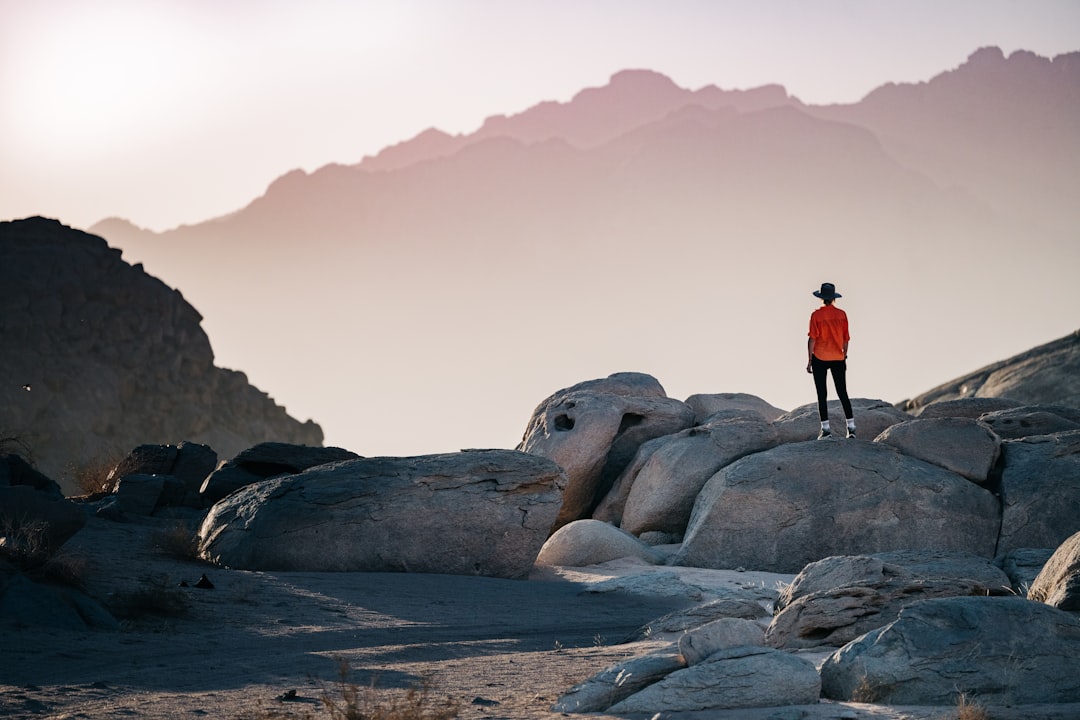
The wooden sign at the entrance to Jerome, Arizona hung crooked for decades, welcoming exactly zero visitors down a dusty main street. By 1953, only 55 people remained in what was once a thriving mining town of 15,000. The buildings sagged. Windows went dark. It seemed inevitable that Jerome would become another ghost story.
Then something unexpected happened. Artists started moving in. Remote workers discovered the internet worked fine in those century-old buildings. Young families fleeing expensive cities found affordable real estate and a weird, wonderful community. Today, Jerome hosts nearly 50,000 visitors annually and has grown to around 400 permanent residents.
Jerome isn't alone. Across the American West, ghost towns are experiencing genuine resurrections—not as Disney-fied tourist attractions, but as real communities where people actually choose to live. This isn't nostalgia at work. It's something more interesting: the collision of modern opportunity with genuine scarcity of both space and authenticity.
Why These Towns Were Abandoned in the First Place
Most American ghost towns follow a predictable tragedy arc. A natural resource—silver, gold, copper, coal—got discovered. Miners rushed in. Towns exploded overnight with saloons, newspapers, and schools. Then the resource ran out, the railroad moved elsewhere, or markets collapsed. By the 1980s, hundreds of once-booming settlements had become literal ghosts.
Cerro Gordo, New Mexico is a perfect example. In 1880, it was a booming lead and zinc mining center. The mines were worked out by 1910. The town watched itself empty in real time. By 2000, only about two dozen people remained, mostly elderly folks too rooted to leave.
What these towns had in their favor, though few realized it then, was character that couldn't be manufactured. Original architecture. Real history embedded in the streets. A sense of community born from genuine necessity rather than proximity to a shopping mall. These would eventually become the exact things people started desperately seeking.
The Internet Changed Everything (Seriously)
The pandemic accelerated an already-existing trend, but the real shift happened years earlier when fiber optic cables started reaching rural areas. Suddenly, you could run a tech startup from a 19th-century building in Silverton, Colorado. You could freelance for a New York agency while living in a restored Victorian in Saguache. The location independence movement had a fundamental enabler: reliable broadband.
Marfa, Texas is exhibit A. Once a dying ranching town of about 2,000, it's now a legitimate cultural hub with galleries, restaurants, and a thriving artist community—all because a few creative people realized they could build interesting lives there. The cost of living in 2024 is climbing, but it's still a fraction of Austin or Los Angeles. You get space. You get silence when you want it. You get neighbors who actually know your name.
Remote work removed the geographic constraint that had killed these towns in the first place. If you don't need to commute to an office, that "middle of nowhere" becomes "peaceful location with character and affordable rent."
The People Making It Happen
The new residents of resurrecting ghost towns aren't romantic drifters. They're deliberately choosing a specific kind of life. Visit Patagonia, Arizona (population 900), and you'll meet former Silicon Valley engineers, published authors, yoga instructors, and small business owners. What they share isn't a job title—it's a decision to prioritize experience over salary.
"I worked in tech in the Bay Area for ten years," says Maya Chen, who moved to Jerome in 2019 with her husband and now runs a bookstore-café. "I made great money. I was miserable. Here, I make less, work more, and genuinely enjoy my life. My kid knows twenty families. There's actual community instead of just proximity."
This matters because ghost town revival isn't happening in a vacuum. These communities are facing real challenges: aging infrastructure, limited healthcare options, school funding struggles. What's different now is that residents are young enough to tackle these problems. They're not just visiting for a weekend. They're investing.
The Challenges Nobody Talks About
It's not all sun-dappled historic buildings and artisanal coffee. Reviving a ghost town is genuinely difficult.
Water systems built for 5,000 people in 1890 work weird when you have 400 people spread across the valley. Healthcare means a 45-minute drive for anything serious. School options are limited. Winter in most high-elevation ghost towns is genuinely harsh. Internet still isn't available everywhere, despite the hype.
There's also the tension between preservation and progress. When young families move in, they want modern utilities and improvements. Longtime residents and preservationists want the town to remain as it was. Navigating that tension defines how smoothly a revival actually works.
Silverton, Colorado managed it through intentional governance. The town council actively encouraged new residents while establishing strict architectural guidelines. You can renovate your building, but it has to look like it belongs there. That boundary-setting prevented the place from becoming a theme park while still allowing genuine community growth.
Where Opportunity Still Exists
If Jerome and Marfa seem too established, there are dozens of lesser-known towns still available for the genuinely adventurous. Limon, Colorado. Hachita, New Mexico. Nyack, Montana. These places have even lower populations, cheaper property, and almost zero tourism infrastructure. That's either a dealbreaker or the whole point, depending on your personality.
The modern rush to ghost towns isn't about finding authentic Americana or becoming a prospector. It's about people recognizing that you don't need permission from anyone to build a different life. You just need internet, a small amount of money, and willingness to do the actual work of community-building.
If you're curious about how thriving communities work with their natural surroundings, there's interesting parallel thinking in how mushroom networks connect ecosystems—invisible infrastructure that holds everything together. Ghost towns are similar in that way. The real infrastructure that makes them work isn't the old buildings. It's the intentional networks people create.
So maybe the American West isn't getting its ghost towns back. Maybe it's getting something better: towns that were left behind, now deliberately chosen by people who understand what community actually means.
Comments (0)
No comments yet. Be the first to share your thoughts!
Sign in to join the conversation.