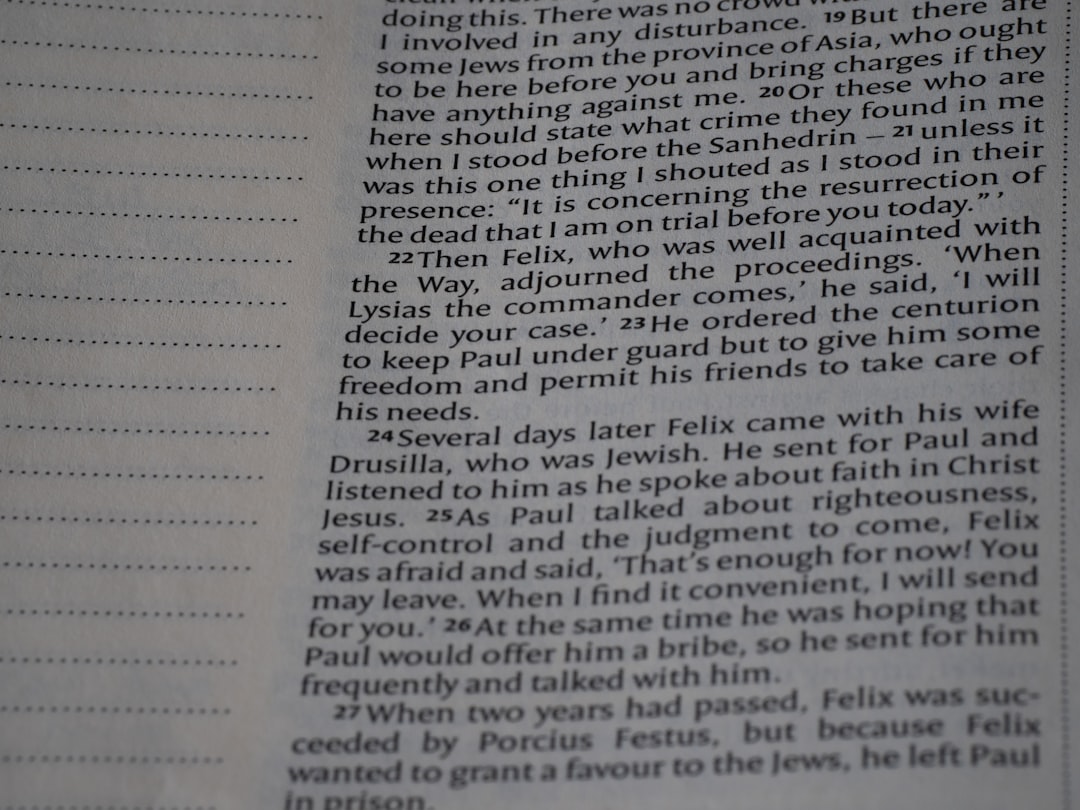
Photo by Brett Jordan on Unsplash
Margaret found the notebook on a Tuesday, wedged between the water heater and a stack of yellowed tax returns in the basement. It wasn't hidden on purpose—nothing in her marriage had been hidden on purpose. But there it sat, a small leather journal with pages gone soft from age, filled entirely with her husband's careful handwriting.
She almost didn't open it. Almost carried it upstairs, placed it in the recycling bin, and continued with the business of being a widow. But Margaret had been married to David for forty-three years, and she knew that his handwriting—those precise, deliberate letters—meant something worth reading.
The First Page Changed Everything
The first entry was dated March 14, 1987. Margaret was pregnant then, terrified and euphoric in equal measure. She remembered that March. She remembered David coming home late from work, his jaw tight with something unsaid.
"Dear Margaret," the entry began, "I'm sorry I didn't ask about your doctor's appointment today. I came home thinking about the Henderson report and my failure to notice you'd been crying. I noticed it for exactly fifteen seconds before I started talking about work. I'm sorry."
Margaret sat down on the basement step. The air smelled like concrete and old cardboard. She kept reading.
Page after page documented his regrets. Small ones, mostly. The birthday party he'd cut short because he was tired. The time he'd interrupted her story about her mother. The evening he'd brought home flowers as an apology but never actually apologized—just left them on the table and expected the gesture to do the talking.
There were bigger apologies too. An affair, nothing physical, but emotional—a friendship with a coworker that had crossed boundaries. Years of impatience with her father's memory loss. A crucial conversation about finances he'd avoided for months, leaving her feeling stupid and excluded.
The Pattern That Took Forty Years to Understand
Margaret read the journal over three days. She didn't sleep much. What struck her most wasn't the apologies themselves—it was the realization that David had known. He'd always known when he'd failed her. The gap between his awareness and his actions was the actual story.
She recognized herself in those pages too, though David's handwriting never turned that on her. She'd done the same things. Spoken without listening. Chosen pride over connection. Let small resentments compound into something that looked like indifference but was actually just exhaustion.
"Why didn't you just tell me?" she asked the empty basement. "Why write it all down and hide it away?"
But even as she asked, she knew the answer. Because some people can't say the hard things out loud. Because David had been raised by a father who never apologized for anything, and learning to feel sorry was different from learning to speak sorrow. Because it was easier to confess to a blank page than to risk seeing disappointment in someone's eyes.
Margaret had spent the last two years angry at David for dying. Now she was angry at him for this journal. Angry, and something else. Something closer to understanding.
What Happened to the Words He Never Said
She thought about burning it. For a week, the journal sat on her kitchen counter while she made coffee around it, set the mail on top of it, and pretended not to notice it. Burning it felt like the clean option. What good were these posthumous confessions? She couldn't tell him she forgave him. She couldn't use them to repair anything.
Then their daughter called. Emma was struggling. Thirty-eight years old, brilliant, and utterly incapable of accepting an apology from anyone, including her own husband. Margaret listened to her daughter minimize a real hurt, watched her reject genuine remorse, and recognized something.
She mailed the journal to Emma without a note, just the journal in a padded envelope.
Three weeks later, Emma called her back. She was crying. "Mom, how did Dad—I mean, this is like he's apologizing for things I was angry about but never told him I was angry about."
"I know," Margaret said.
"And I don't know how to feel about that."
"None of us do," Margaret said. "But maybe that's not the point."
The Real Lesson in Unspoken Words
Margaret keeps a blank journal in her own nightstand now. She writes apologies she might never deliver. Apologies to Emma for the time she chose her marriage over her daughter's heartbreak. Apologies to David for the years she mistook silence for acceptance. Apologies to herself for waiting forty years to understand that the work of being close to someone is just trying, over and over, to do better than you did yesterday.
She doesn't know if Emma will leave the journal for her own children. She doesn't know if anyone else will ever read what she writes. But that's not the point either. The point is that writing the apology—actually naming the failure—changes something inside the person writing it. It's a kind of integrity that has nothing to do with being forgiven.
Margaret thinks about David sometimes and wonders if filling that journal gave him a version of peace. She likes to think it did. She likes to think he died knowing, at least privately, that he had loved her imperfectly and spent enough of his life conscious of that imperfection to care.
The journal sits on her bookshelf now, between a book of poems and a photo album. Not hidden. Not displayed. Just there. Like an apology that finally found its audience—not the person it was meant for, but the person who needed to read it anyway.
If you're interested in stories about the weight of unspoken words and the moments we keep hidden, you might also appreciate "The Photograph She Never Took: A Story About the Moments We Choose to Witness", which explores how silence and observation shape our deepest relationships.
Comments (0)
No comments yet. Be the first to share your thoughts!
Sign in to join the conversation.