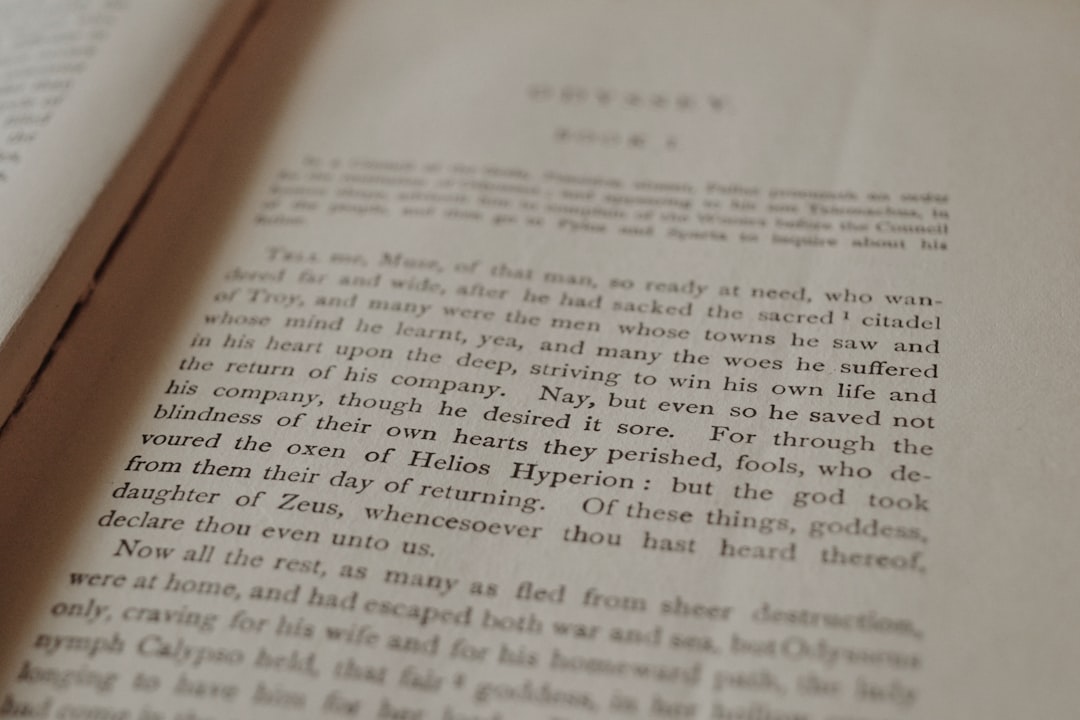
Photo by Elsa Tonkinwise on Unsplash
Margaret found them on a Tuesday afternoon while cleaning out her mother's desk. Forty-three letters, each one addressed in her mother's careful script, each one sealed but never stamped. The dates ranged across three decades—1987 to 2016. Margaret's hands trembled as she held the first envelope. Her name was written on it. Her mother had been dead for six months.
Most people don't get a second chance to read the words someone was too scared to send. Most people live their entire lives wondering what was left unsaid. But Margaret, sitting on the edge of her mother's bed in the quiet of an autumn afternoon, held that chance in her hands.
The Courage It Takes to Not Send a Letter
We talk a lot about bravery in the context of saying hard things out loud. We celebrate the person who finally tells someone the truth, who speaks up in the meeting, who calls and has the difficult conversation. But there's another kind of courage—the kind it takes to write something down knowing you'll never send it. That's what Margaret discovered as she opened the first letter with shaking fingers.
"I know I hurt you," her mother had written, the ink slightly faded after thirty-five years. "I know I said those things when you were just trying to help. I was afraid, and I made you pay for it. That's the part that keeps me awake at night."
Margaret sank back against the headboard. This was about the Christmas of 1987. She had been twenty-two years old, newly engaged, wanting to introduce her mother to her fiancé's family. Her mother had refused to go. They'd argued. Harsh words had been exchanged. Margaret had decided, that day, that some wounds didn't deserve healing. She'd married without her mother in attendance and had spent years assuming her mother didn't care enough to show up.
The letter explained everything. Her mother had been struggling with depression that winter. She was terrified of meeting new people. She was drowning in shame about her own circumstances—her failed marriage, her modest income, her worn clothes. She'd lashed out at Margaret because it felt safer than admitting she was falling apart.
The Architecture of Unsent Apologies
As Margaret worked through the stack of envelopes over the following week, she began to notice patterns. Her mother had written during specific moments of vulnerability—always late at night, always after something had happened that triggered guilt. One letter was dated after Margaret's wedding announcement in the local newspaper. Another came right after Margaret had given birth to twins and hadn't called for a week due to exhaustion.
What struck Margaret most wasn't the apologies themselves. It was the specificity. Her mother didn't just say she was sorry. She explained exactly what she'd been thinking, what fear had driven her actions, what she wished she'd done instead. In one letter from 1999, she wrote about watching Margaret's kids at a birthday party and feeling invisible—standing at the edge, not knowing how to bridge the distance she'd created years earlier.
"I could see you laughing with them," the letter read, "and I thought about how much of this I missed because I was too stubborn to ask for forgiveness when I had the chance. By now, too much time has passed. The words would sound hollow."
This is the secret that unsent letters hold. They're not about being received. They're about the person writing them finally understanding what they've done, finally articulating the specific shape of their regret. And for Margaret, reading them meant she could finally understand that her mother's coldness over the years hadn't been indifference. It had been guilt so profound that she'd chosen silence over the risk of rejection.
What Forgiveness Looks Like When It's Too Late
Margaret could have burned the letters. Many people would have. She could have decided they were too painful to read, that her mother was seeking absolution she didn't deserve, that dead people don't get to rewrite history. But instead, she did something her mother never had the courage to do. She spoke the apologies out loud.
She visited her mother's grave on a Saturday morning and read excerpts aloud. Some people might have thought it was strange. Margaret didn't care. As she read about her mother's regrets, her fears, her longing to be close, something shifted in her chest. The anger that had calcified there over decades began to soften.
This wasn't about excusing her mother's behavior. Margaret had still suffered real harm. The coldness had still hurt. The distance had still defined much of her childhood and young adulthood. But understanding the source of that pain—seeing her mother's humanity in a way she never could have while she was alive—allowed Margaret to separate who her mother was from what she'd done.
If you're interested in how regret functions in our lives and the power of finally confronting it, you might appreciate The Man Who Bought His Regrets at an Estate Sale, which explores similar territory from a different angle.
The Message in the Silence
Six months after finding the letters, Margaret did something that surprised her. She started writing unsent letters of her own. Letters to people she'd hurt. Letters to people who'd hurt her. Letters that would never be mailed.
She discovered what her mother must have discovered decades earlier—that the act of writing forces a kind of reckoning. It's one thing to think a complaint about someone. It's another to write it down, to see it in your own handwriting, to read it back to yourself. The process changes you. It makes you either commit more deeply to your anger or release it.
What her mother left behind wasn't forgiveness, exactly. It was understanding. It was evidence that even when we fail the people we love, we carry the knowledge of that failure with us. We write letters to ghosts. We have conversations with empty air. We whisper apologies to people who can't hear them.
Margaret kept all forty-three letters. She read them again on her birthday that year, and again on the anniversary of her mother's death. They're not reconciliation—that ship sailed years ago. But they're something precious that few people ever get: a chance to know what someone was thinking in their darkest moments, to understand that their failures came from fear rather than malice, to forgive not because it was asked of you but because, finally, you understand.
That Tuesday afternoon when Margaret found the letters in her mother's desk changed something fundamental in how she moved through the world. She stopped waiting for the perfect moment to reach out to people. She stopped assuming silence meant indifference. And she stopped believing that words only matter if they're spoken aloud.
Comments (0)
No comments yet. Be the first to share your thoughts!
Sign in to join the conversation.