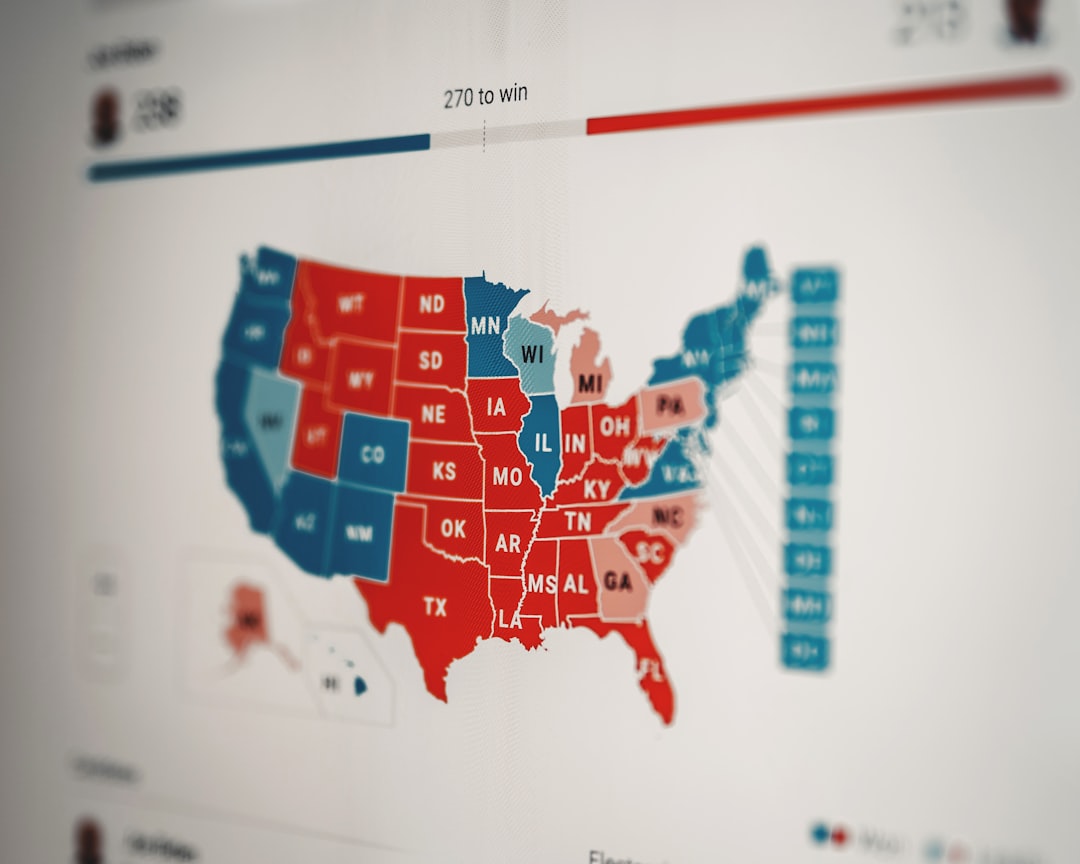
Photo by Clay Banks on Unsplash
Representative Thomas Massie, a Kentucky Republican, doesn't spend much time in his district these days. Neither does Alexandria Ocasio-Cortez, despite representing Queens and the Bronx. And they're far from alone. A quiet but significant transformation is happening across Congress: members are increasingly treating their districts as afterthoughts, spending minimal time there while maintaining their offices and their seats. It's a development that challenges our fundamental assumptions about representative democracy.
The New Geography of Power
For generations, congressional members maintained a careful balance. They'd spend time legislating in Washington during the week, then head home for weekends and recesses to hold town halls, attend ribbon cuttings, and maintain relationships with constituents. This wasn't just tradition—it was practically mandatory. Members who didn't show their faces regularly faced primary challenges from rivals who promised to "actually represent the district."
Today? The math has changed. Many members rarely leave Washington except for major votes or campaign events. Some representatives schedule town halls just once or twice a year, and when they do, they often host them virtually or restrict attendance. One Democratic member from California hasn't held an in-person town hall since 2019. A Republican from Texas does most of his constituent communication through social media.
This isn't happening because members suddenly became lazy or disconnected. Instead, it reflects how American politics has fundamentally shifted. Campaign infrastructure has centralized. Fundraising happens primarily through national donor networks, not local community events. Political operatives have calculated that the electoral benefit of a local presence has diminished significantly, especially for safe-seat representatives who face little competitive threat.
The Rise of the National Primary
The real driver behind this change is the power of primary elections. Consider a typical House member representing a heavily Democratic urban district. That member doesn't fear losing to Republicans—they fear a primary challenge from someone further left who can excite the party's activist base. That activist base isn't primarily concerned with whether the representative attends community events. They care about messaging, votes on national issues, and how their member performs on cable news.
Similarly, a Republican in a conservative rural district faces pressure from the right on immigration, gun rights, and confronting what they call "woke culture." Again, the primary voters demanding these positions are often motivated by national political movements and media, not local concerns. A representative's presence at the county fair matters far less than their voting record on national issues.
This creates a perverse incentive structure. The safest path to reelection often means minimizing district visits, focusing energy on raising money from national donors, and building a personal brand within party circles rather than among actual constituents. It's a strategy that works—roughly 95 percent of House members who seek reelection win—but at a significant cost to democratic legitimacy.
What Voters Actually Want (and Don't Know They're Losing)
Here's the problem: most constituents still expect their representative to actually represent them. When someone calls their representative's office about a Social Security issue, they expect action. When a factory in the district closes, they expect the representative to engage with the crisis. These are the unglamorous, local aspects of representation that require actual presence and relationships with community leaders, local government officials, and constituent groups.
Yet these services increasingly fall to overstretched district staff with limited resources. A district office might have four or five staffers handling hundreds of constituent cases monthly. Without a representative who maintains real relationships with local power players, getting things done becomes harder. A constituent having trouble with a federal agency is more likely to actually get help if the representative has built genuine relationships with agency officials in the district and has made their presence felt.
The irony is sharp: members are becoming better national politicians while becoming worse local representatives. They're more skilled at social media, more effective at fundraising, and more adept at navigating party politics. But they're less connected to the actual people they theoretically serve.
The Consequences We're Just Beginning to See
This shift creates several cascading problems. First, it contributes to the sense many voters have that their representative doesn't really care about them. They don't see the member often, they don't see results on local issues, and they understandably feel unrepresented. This fuels cynicism about democracy itself.
Second, it concentrates power among the members who do show up locally. In districts where multiple candidates compete in primaries, the candidate who actually visits and builds relationships still has advantages. But in safe-seat districts, this advantage disappears, and the game becomes purely about national positioning.
Third, it means Congress as an institution has less insight into actual local conditions. When members rarely spend time in their districts, they're less likely to hear about problems that don't fit national political narratives. A struggling school system, aging infrastructure, or emerging job market problems might never make it to a representative's attention if they're not actually there.
For a deeper understanding of how political incentives have shifted, read our analysis of why politicians are increasingly abandoning moderate voters.
Can This Change?
Fixing this requires structural changes, not just hoping members behave differently. Some proposals floating around include requiring more frequent recesses to give members protected time for district work, or changing campaign finance so local donors matter more than national mega-donors. Others suggest primary reforms that reward broader appeal within districts rather than just appealing to activist voters.
The challenge is that any reform requires members themselves to vote against their own electoral interests. The current system works well for incumbents. Getting Congress to voluntarily reduce their flexibility and force themselves back to their districts is asking them to tie their own hands.
The voters affected by this change rarely understand what's happening. They see lower constituent service quality, feel their representative is distant, and blame the individual member rather than recognizing the systemic shift. Until that awareness grows, there's little political pressure for change. And that might be the most damaging part of all.
Comments (0)
No comments yet. Be the first to share your thoughts!
Sign in to join the conversation.