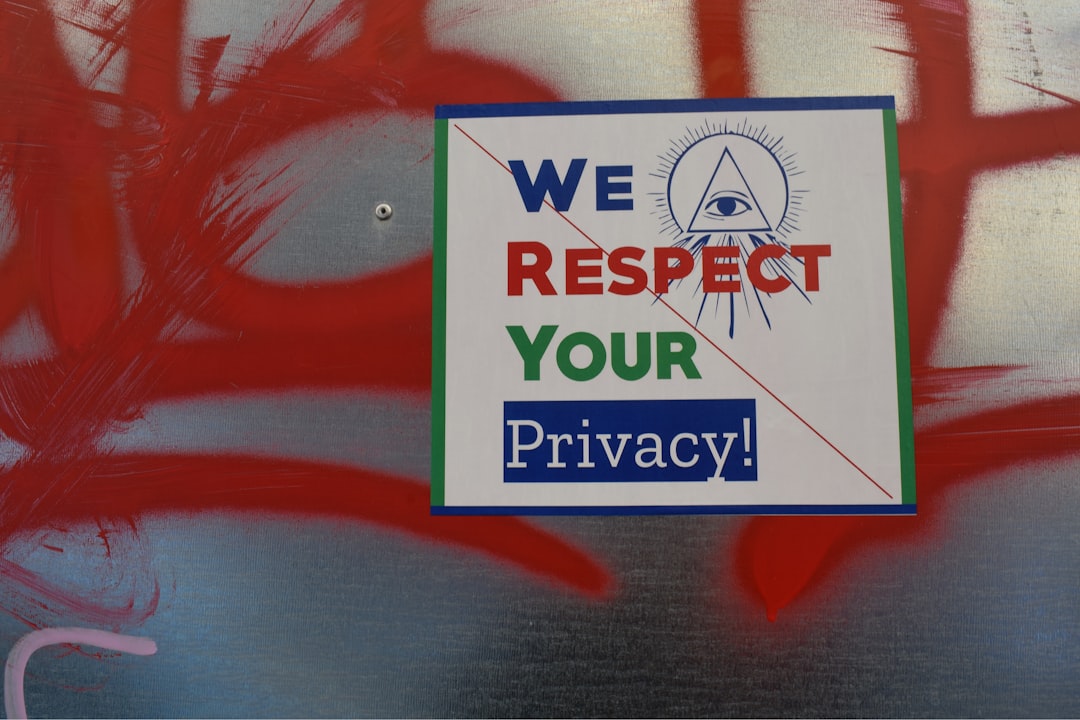
Photo by Marija Zaric on Unsplash
I realized something was wrong at 2 AM on a Tuesday when I'd been texting the same person for three hours about their breakup, and I couldn't remember the last time we'd actually sat across from each other. We were "close," but we weren't really. Not in any way that mattered.
This is the friendship recession nobody talks about. Not the absence of friends—most of us have plenty of those—but the absence of actual friendship. The kind that requires presence, vulnerability, and the inconvenience of showing up in person.
How I Accidentally Became Isolated in a Connected World
My phone buzzed constantly. Instagram notifications, group chats, Snapchat streaks that I maintained out of pure obligation. I had 800 followers and felt completely alone. The numbers made no sense, which is exactly why I didn't question them until I was 31 years old and couldn't name a single person I could call at midnight if something went wrong.
The slow fade happened without me noticing. After college, I moved cities three times in five years. Friends scattered. Work consumed me. I got busy. They got busy. We all promised to "stay in touch," which meant liking each other's photos and occasionally texting in group chats. Surface-level maintenance masquerading as friendship.
According to research from UCLA, the number of Americans who say they have no close friends has tripled since 1990. We're not becoming less social—we're becoming more superficially connected and more deeply isolated. I was living that statistic without realizing it.
What broke through my denial was smaller than I expected. My mom asked me a casual question over dinner: "How are things with your friends?" I gave the standard answer about how great everyone was doing, how we were always texting. Then she asked: "When's the last time you actually saw someone you're close to?" I couldn't answer. Not because I was drawing a blank, but because the answer was genuinely embarrassing.
The Digital Friendship Trap
Here's what I discovered: digital communication is the worst thing that ever happened to friendship. And I mean that as someone who has benefited enormously from texting, FaceTime, and group chats across time zones.
The problem is that digital connection feels like friendship without requiring any of the elements that actually make it friendship. It's optimized for convenience, not for the stuff that matters. You can respond whenever you want. You can craft your words. You can project whatever version of yourself you're performing that day. Real friendship requires showing up when it's inconvenient, being seen without filters, sitting in the uncomfortable silence when words aren't enough.
I spent years maintaining 60-plus "active" friendships through Instagram stories and group chats, while simultaneously being unable to have a real conversation with any of them. Not because they weren't good people or because we didn't care about each other, but because our entire relationship had been compressed into a medium designed for speed and surface.
The worst part? It felt like friendship. The dopamine hits were real. The sense of connection was real. But it was friendship the way a photograph of food is a meal—it hits some of the same buttons, but it doesn't actually nourish you.
What Actually Changed
I didn't have some dramatic realization. I didn't delete my apps or go full digital detox. Instead, I made a stupid simple decision: I was going to see actual humans on purpose, consistently, even when it was inconvenient.
I started small. I reached out to three people I genuinely liked but had drifted from—not with a text, but with a specific plan. "I'm free Thursday evening. Want to grab dinner?" Not "we should hang out sometime," but an actual date. A commitment.
The first dinner was awkward. We'd been texting occasionally for two years, but we'd never just... sat with each other. There were gaps in the conversation. We kept defaulting to discussing other people or complaining about work instead of actually connecting. But something shifted over the second hour. We started talking about things that matter. Fears. Changes. Dreams we weren't pursuing. The real stuff that doesn't translate into texts.
I started doing this more intentionally. Every week, I scheduled one in-person hangout minimum. Not because I had some sudden abundance of free time—I didn't—but because I decided it was as important as work or exercise. Which sounds ridiculous until you realize that most of us don't actually decide friendship is important. We treat it as something that happens if there's extra time, which means it almost never happens.
I also made a harder decision: I culled my circle. Not in a cold way, but intentionally. I stopped maintaining the "active friend" status with 60 people and focused on 8-10 people I actually wanted to deepen relationships with. I said no to group chats that weren't meaningful. I unfollowed (but didn't unfriend) people whose content was triggering comparison spirals.
The guilt of "abandoning" peripheral friendships lasted about a week before I realized something: those people didn't experience me abandoning them because those friendships were mostly digital theater anyway. I wasn't removing myself from their lives; I was just being honest about the fact that I wasn't in their lives.
What Six Months Actually Showed Me
By month three, something shifted that I didn't expect. I wasn't anxious anymore. Not the general anxiety I'd normalized as just being alive in 2024, but the specific anxiety of being surrounded by people who don't actually know me. The loneliness I'd been running from by staying digitally "connected" all the time actually started to disappear when I stopped running.
Real friendships are wild because they can sustain gaps. I saw my best friend once a month instead of texting daily, and our relationship somehow got stronger. Not weaker. We had more to say. We paid better attention. We stopped treating each other like content to consume and started treating each other like humans to understand.
I also realized I'd been using constant digital contact as a substitute for actual emotional availability. I could text someone all day and never be vulnerable. I could maintain a friendship entirely through shallow conversation. But in person? You can't hide. Your face betrays you. Your silences mean something. That was terrifying at first. Then it became the whole point.
The numbers don't matter anymore. I have 12 real friends now instead of 800 fake ones. Some of them I see monthly. Some quarterly. But every single one of them knows who I actually am, and I know them. That feels like abundance in a way that a full contact list never did.
The Work Isn't Finished
This isn't a redemption arc where I figured it all out. Some weeks I slip back into digital-only friendships. Some friends I've let fade because maintaining real friendship actually requires effort. I'm still working on being vulnerable. Still learning how to show up for people without keeping score.
What's different is that I'm not mistaking activity for connection anymore. I'm not using "staying in touch" as a substitute for actual friendship. And I'm definitely not measuring the health of my social life by notification counts.
If you're feeling the same isolation despite being constantly connected, you don't need more friends or better apps. You need actual humans. Inconvenient, complicated, imperfect humans who you have to show up for. The kind of friendship that requires you to stop performing and start actually living.
Start with one person. Make a plan. Show up. That's it. The recession ends with us choosing to invest in real connection again.
Comments (0)
No comments yet. Be the first to share your thoughts!
Sign in to join the conversation.