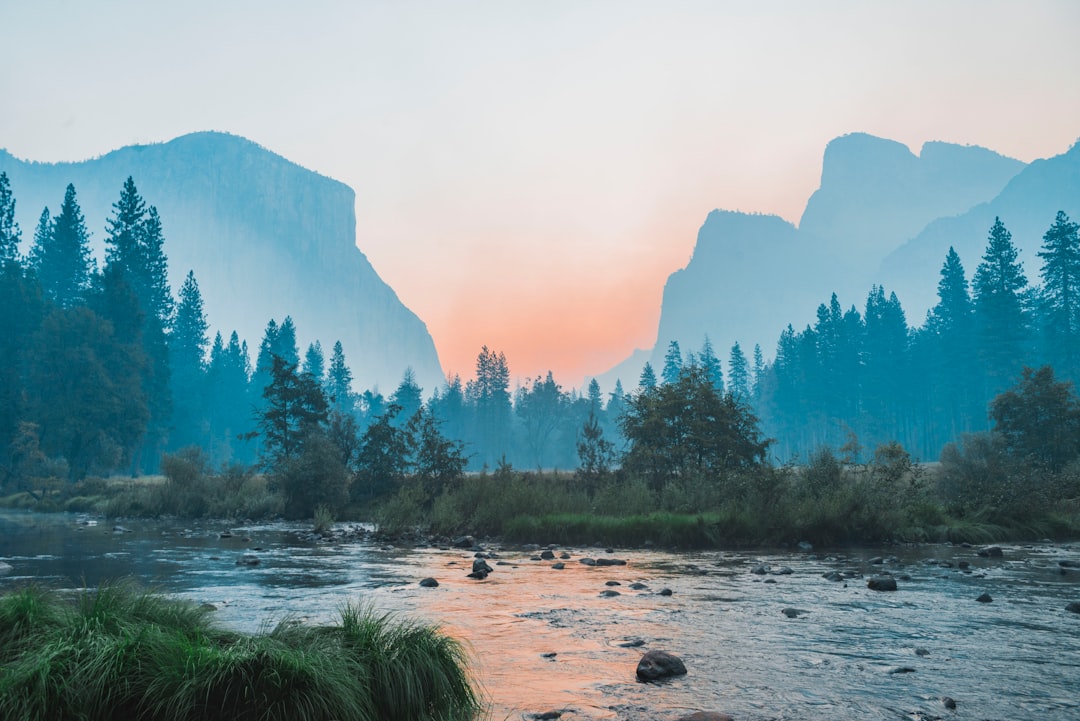
Photo by Bailey Zindel on Unsplash
On a cold January morning in 1995, wildlife biologists opened the gates of eight large crates in Lamar Valley, Wyoming. Inside were fourteen gray wolves—the first to roam Yellowstone National Park in seventy years. Nobody expected what would happen next. Within three decades, this single reintroduction would become one of the most studied ecological interventions ever attempted, revealing how one species can orchestrate changes across an entire environment through mechanisms scientists never anticipated.
The Absence That Shaped Everything
Before the reintroduction, Yellowstone had been operating without its apex predator for seven decades. Wolves had been systematically hunted to extinction in the lower forty-eight states by the 1930s, driven by ranchers who saw them as threats to livestock and by a culture that viewed predators as vermin. The Park Service filled this void by managing elk populations through hunting permits, but something fundamental was missing from the ecosystem.
Without wolves, elk populations exploded to roughly nineteen thousand animals by the mid-1990s. These massive herds became like an unchecked agricultural force, stripping vegetation along riverbanks and destroying young cottonwood trees before they could establish themselves. Aspens, willows, and berry-producing shrubs disappeared. The entire plant community shifted. Songbirds that depended on these plants vanished. Beavers, which relied on willow trees for food and dam construction, disappeared entirely. It wasn't dramatic destruction in the way we typically imagine ecological collapse—it was more like slow erasure, ecosystem functioning steadily degrading year after year.
The Unexpected Power of Predator Fear
The wolves that arrived in 1995 didn't just hunt elk—they changed elk behavior. This seems obvious in hindsight, but it was genuinely revelatory to ecologists at the time. Wolves forced elk to abandon their favorite grazing areas, particularly the lush vegetation along riverbanks where wolves could easily hunt them down. Elk that once spent entire seasons in river valleys began moving to hillsides and open grasslands where they could see predators approaching.
This shift sounds minor. It wasn't. When elk abandoned riverside vegetation, willows began recovering. Within five years, willows in some Yellowstone valleys had grown taller than they had in fifty years. Aspens, those shimmering white-barked trees that define certain corners of the park, started regenerating. Berry-producing shrubs returned. Beavers, sensing opportunity, began moving back into rivers they hadn't occupied since before the wolves disappeared.
What scientists discovered was a concept called "landscape of fear." Predators don't just remove prey animals through predation—they also fundamentally alter where prey animals dare to venture. The mere presence of wolves created invisible boundaries that elk intuitively understood and respected. This behavioral shift cascaded through the ecosystem in ways that no single predation event ever could.
Rivers Rewrite Themselves
Perhaps the most stunning consequence of wolf reintroduction involved the rivers themselves. As willows recovered along riverbanks, their root systems strengthened the soil. Beavers, now returning in significant numbers, began building dams again. These dams slowed water flow, allowing sediment to settle and creating wetlands that hadn't existed in generations. The riparian zones—those critical transition areas between water and forest—transformed from eroded, streamlined channels into complex, meandering networks of water, vegetation, and small lakes.
Scientists documented that some rivers literally changed their physical paths. The Lamar River, one of Yellowstone's major waterways, began shifting its channel as bank erosion decreased and vegetation stabilized the shorelines. Water that once rushed rapidly downstream now moved through a more sinuous route, creating pools and slowing its journey to the valley floor. Summer water temperatures dropped as shade-providing trees grew back along banks. Erosion rates declined measurably.
This physical transformation meant that species dependent on specific river conditions began returning. Cutthroat trout, which require cooler water and specific habitat conditions, increased in abundance. Osprey and bald eagles, which fish in these rivers, became more common. The river ecosystem went from declining to recovering, all because wolves had indirectly changed how water moved through the valleys.
The Trophic Cascade Nobody Completely Predicted
Ecologists call these multi-level effects a "trophic cascade"—when changes at the top of a food chain ripple downward through every level of an ecosystem. But Yellowstone's cascade proved more intricate than the basic concept suggested. When wolves killed elk, they didn't just reduce prey numbers. They created carrion—carcasses left across the park. Grizzly bears, which emerge from hibernation in spring when food is scarce, began discovering wolf kills and feeding on them. Research showed that wolf kills provided grizzlies with critical calories during their most vulnerable season, contributing to population recovery.
Ravens, eagles, and scavenger species followed wolves across the park, finding easy meals in predator kills. Ravens increased in abundance so dramatically that some researchers credit wolf reintroduction with causing a raven population boom. Smaller predators like foxes and wolverines benefited from increased food sources. The entire death and decay system of the ecosystem shifted.
Even more remarkably, the enriched vegetation communities created by the wolf-driven changes produced more berries and seeds, indirectly feeding birds and small mammals. Everything connected to everything else, in chains of causation so complex that scientists are still discovering new links decades later. For a fuller understanding of how interconnected nature really is, The Silent Architects: How Mycorrhizal Networks Are Rewriting Everything We Know About Plant Communication offers fascinating insights into underground connections that operate at even microscopic scales.
The Bigger Picture
The Yellowstone wolves story matters because it revealed something fundamental about how ecosystems actually work. We tend to think of nature as made up of separate components—predators, prey, plants, rivers, weather—that interact in limited ways. Yellowstone showed that ecosystems are desperately interconnected, and removing or restoring a single species can rewrite the rules for everything else.
This has profound implications for conservation. It suggests that protecting charismatic megafauna like wolves isn't just about saving those particular animals. It's about preserving entire systems of relationships that sustain everything from river chemistry to bird populations to forest structure. The wolves that returned to Yellowstone didn't just kill elk. They became landscape architects, reshaping terrain, redirecting water, determining which plants could flourish, and writing an entirely new story for an ecosystem that had been diminished by their absence.
Comments (0)
No comments yet. Be the first to share your thoughts!
Sign in to join the conversation.