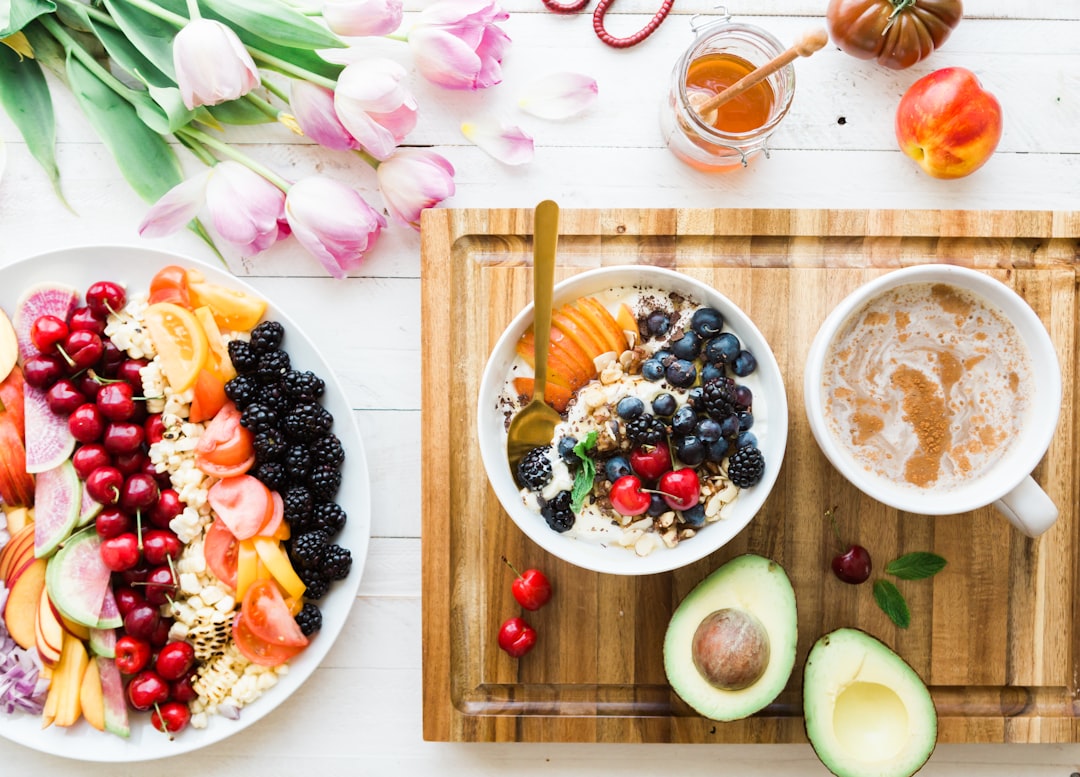
Photo by Brooke Lark on Unsplash
Sarah noticed the pattern about six months into her antidepressant treatment. She'd been on three different medications, none of which seemed to stick. Her therapist was patient, her doctor was thorough, but something felt off. Then she mentioned her chronic bloating and irregular digestion to a gastroenterologist, almost as an afterthought. That one conversation changed everything.
What Sarah discovered is something neuroscientists have been quietly uncovering for the past decade: your gut bacteria aren't just digesting your lunch. They're producing neurotransmitters, influencing your immune system, and directly communicating with your brain through something called the gut-brain axis. It's not woo. It's biology.
The Gut-Brain Highway Nobody Talks About
Your gut contains roughly 100 trillion microorganisms—more cells than exist in the rest of your body combined. These aren't freeloaders. They're manufacturing about 90 percent of your body's serotonin, the neurotransmitter most associated with mood regulation. They're also producing GABA, dopamine, and other chemical messengers your brain relies on to function properly.
This connection happens through multiple channels. The most direct route is the vagus nerve, a literal highway running from your gut to your brain. Your gut bacteria send signals up this nerve constantly, essentially whispering to your brain about what's happening in your digestive system. But the influence doesn't stop there. Your microbiome also affects your immune system, which produces chemicals that cross the blood-brain barrier and influence your mood, energy, and cognitive function.
A 2022 study published in *Gastroenterology* found that people with major depressive disorder had significantly different microbial compositions compared to healthy controls. They had fewer beneficial bacteria and higher levels of potentially harmful species. The really striking part? When researchers transferred gut bacteria from depressed people to mice, the mice began displaying depression-like behaviors. Transfer the healthy bacteria instead, and the depression-like behaviors disappeared.
This isn't correlation. This is causation.
When Your Microbiome Goes Wrong
Most of us have heard the term "leaky gut," usually from someone selling expensive supplements. While the name is a bit misleading, the underlying problem is real. The intestinal barrier is supposed to be selectively permeable—letting nutrients through while keeping harmful substances out. When this barrier becomes compromised, larger molecules can pass through into the bloodstream, triggering chronic inflammation.
Several things can damage this barrier. Antibiotics wipe out both good and bad bacteria, sometimes leaving your gut in a weakened state. Chronic stress elevates cortisol, which directly damages intestinal lining. Ultra-processed foods feed pathogenic bacteria while starving the beneficial ones. Even a single case of food poisoning can shift your microbial balance for months.
When inflammation increases in the gut, it typically increases in the brain too. Researchers have found elevated markers of neuroinflammation in people with depression and anxiety—essentially, their brains are in a chronic state of immune activation. No wonder antidepressants alone weren't cutting it for people like Sarah. You can't medicate away an underlying inflammatory condition.
The Specific Foods That Rebuild Your Microbial Army
Here's where this gets practical. Your gut bacteria eat what you eat. Feed them junk, and they die off or transform into harmful versions. Feed them what they actually want, and they flourish.
The best food for your microbiome is fiber—specifically the complex, plant-based kind that your own digestive system can't break down. Your bacteria break it down instead, producing short-chain fatty acids like butyrate as a byproduct. Butyrate is basically superglue for your intestinal barrier. It feeds the cells lining your gut and strengthens the tight junctions that keep bad stuff out.
The highest-quality sources include:
Leafy greens like spinach, kale, and arugula. These contain inulin and other prebiotics that specifically feed beneficial bacteria like Faecalibacterium, which is often depleted in people with depression.
Fermented foods like sauerkraut, kimchi, and kefir directly introduce beneficial live bacteria. A 2021 Stanford study found that people who ate more fermented foods had more diverse microbiomes and lower inflammation markers.
Legumes including lentils, chickpeas, and beans. These are fiber powerhouses and one of the cheapest ways to feed your good bacteria.
Whole grains like oats, barley, and brown rice. Their resistant starch specifically nourishes bacteria that produce butyrate.
Meanwhile, the foods that actively harm your microbiome are probably already on your mental list: processed foods, added sugars, and seed oils. These feed pathogenic bacteria and actively kill off beneficial species. One study found that just ten days on a Western diet significantly reduced microbial diversity in healthy volunteers.
What Changed for People Like Sarah
Once Sarah got serious about her gut health, she didn't experience some magical overnight transformation. That's not realistic. But over three months of eating more vegetables, cutting out processed foods, and adding fermented foods to her diet, her digestion improved. Her bloating decreased. Her energy stabilized. And gradually—so gradually she almost didn't notice—her mood got better. Not just "better than before the antidepressant" but genuinely better. Lighter.
She eventually worked with her doctor to reduce her antidepressant dosage because she actually didn't need the same amount anymore. Her brain chemistry had shifted because her gut chemistry had shifted.
This isn't a replacement for mental health treatment. If you're struggling with depression or anxiety, please talk to a doctor. But it's also not an either-or situation. You can be in therapy, on medication, *and* healing your microbiome. In fact, you probably should be doing all three.
If you're constantly tired and no amount of sleep helps, or if your mood struggles seem resistant to treatment, your microbiome might be the missing piece. It's definitely worth exploring with a healthcare provider. And if you want to dive deeper into how specific nutrients affect your brain chemistry, The Forgotten Mineral That Could Transform Your Sleep (And You're Probably Deficient) breaks down another critical piece of the mental health puzzle.
Your gut is listening to your brain. The question is: what are you feeding it to say back?
Comments (0)
No comments yet. Be the first to share your thoughts!
Sign in to join the conversation.