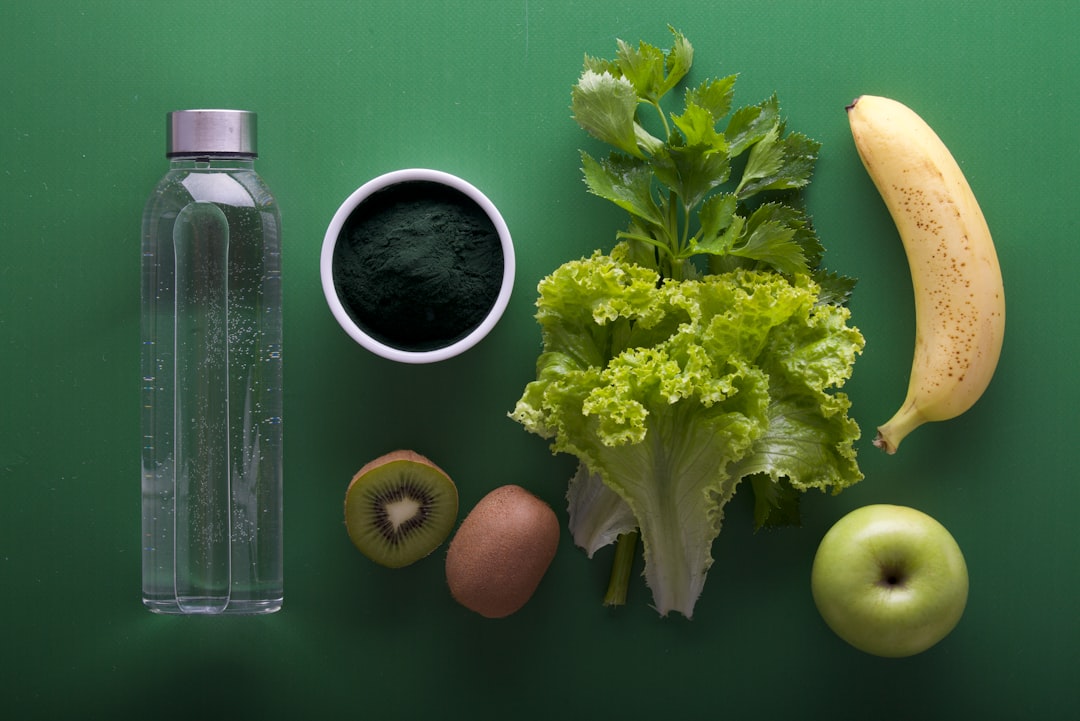
Photo by Vitalii Pavlyshynets on Unsplash
Three years ago, Sarah couldn't figure out why she felt perpetually foggy and anxious despite hitting the gym regularly, sleeping eight hours, and eating what she thought was healthy. Her doctor ran the usual tests—thyroid, vitamin D, blood sugar. Everything came back normal. "It's probably just stress," she was told. Then a gastroenterologist casually mentioned her microbiome during a routine visit, and everything changed.
Sarah isn't alone. The gut-brain axis—the bidirectional communication system between your digestive tract and your central nervous system—has become one of the most exciting frontiers in mental health research. Yet most people still think of their gut bacteria as irrelevant unless they're experiencing digestive issues. The reality is far more nuanced and frankly, quite wild.
The Gut Bacteria Revolution We Weren't Expecting
Your gut contains roughly 38 trillion bacterial cells. For perspective, that's actually more bacterial cells than human cells in your body. These aren't freeloaders—they're actively manufacturing neurotransmitters, the chemical messengers that regulate mood, anxiety, and cognitive function.
Consider this: your gut bacteria produce about 90% of your body's serotonin. That's the same neurotransmitter that antidepressants like SSRIs target. Your microbiome also produces GABA, which calms anxiety, and dopamine, which influences motivation and pleasure. These bacteria are literally influencing your mental state every single day, and most of us have no idea.
The research backing this is surprisingly robust. A 2022 study published in Nature Microbiology found that people with major depressive disorder had significantly different bacterial compositions compared to healthy controls. Researchers identified specific bacterial strains—like reduced levels of Faecalibacterium prausnitzii—that correlated strongly with depression severity. This wasn't correlation fluff either; subsequent studies demonstrated causal mechanisms.
How Your Microbiome Gets Hijacked (And Why Modern Life Is the Culprit)
So what destroys a healthy microbiome? The usual suspects: antibiotics, ultra-processed foods, chronic stress, and irregular sleep patterns. But here's what makes modern life particularly brutal for our gut bacteria—we're basically doing everything simultaneously.
That course of antibiotics you took for a sinus infection? It didn't just kill the infection-causing bacteria; it carpet-bombed your entire microbial ecosystem. While your gut can recover, it takes months, and if you're simultaneously eating processed foods and running on five hours of sleep, recovery becomes nearly impossible. You're not giving your beneficial bacteria a chance to repopulate.
Research from King's College London tracking over 11,000 people found that those consuming highly processed foods had significantly lower microbial diversity—the most important marker of gut health. Lower diversity is directly linked to anxiety, depression, and even cognitive decline. The mechanism? These foods feed harmful bacteria while starving beneficial ones.
Here's what really gets me: we know this, yet the standard medical approach to depression still barely acknowledges the microbiome. A patient gets prescribed an SSRI, which might help for a while, but if their gut bacteria remain depleted, they're fighting an uphill battle. It's like trying to maintain a house while ignoring the foundation.
Proof in the Probiotic Pudding (Sort Of)
Now, before you rush to buy every probiotic supplement on the market, pump the brakes. The probiotic industry is a $150 billion global market, and most products are oversold garbage.
The science here is encouraging but frustratingly incomplete. Multiple studies show that certain probiotic strains—particularly Lactobacillus and Bifidobacterium species—can reduce anxiety and depression symptoms. A meta-analysis published in Psychiatry Research analyzed 34 randomized controlled trials and found that probiotics produced meaningful improvements in depression scores. But—and this is important—the effect sizes were modest, and results varied wildly depending on which strains were used and for how long.
The real issue is that commercial probiotics are basically a shot in the dark. Most contain dead bacteria. Others contain beneficial strains that die the moment they hit your stomach acid. The ones that do survive often don't establish permanent colonies because your microbiome already has its existing residents.
This is why feeding your existing bacteria matters more than adding new ones. Prebiotics—foods that feed beneficial bacteria—often outperform probiotics in research. Specifically, foods high in inulin and other soluble fibers. Think asparagus, garlic, onions, chicory root, and leafy greens. The bacterial species you already have, given proper nutrition, are your best shot at recovery.
The Practical Path Forward
So what does microbiome-aware mental health actually look like? It's not revolutionary, but it requires consistency.
First, minimize unnecessary antibiotics. Yes, some infections require them. But taking them for viral infections (which they can't treat anyway) or demanding them for minor bacterial issues is sabotaging your mental health. Talk to your doctor about whether that antibiotic is truly necessary.
Second, restructure your diet around fiber and fermented foods. Aim for 30+ grams of diverse plant fiber daily—which means not just eating salad but actually varying your sources. Include fermented foods like sauerkraut, kimchi, or kefir. These contain live bacteria that can help restore balance. You'll notice effects within 2-3 weeks if your microbiome is severely depleted.
Third, prioritize sleep and stress management. This might seem unrelated, but circadian rhythm disruption directly damages your microbiome composition. Your bacteria have their own rhythms, and when you're constantly sleep-deprived or chronically stressed, you're disrupting their ability to function. Related to this, understanding your circadian rhythm's broader impact on health can help you make smarter decisions about sleep timing.
Finally, if you're dealing with depression or anxiety, consider mentioning the microbiome to your mental health provider. Ask about your medication's microbial effects—some psychiatric drugs actually harm beneficial bacteria. A truly integrated approach addresses both your brain chemistry and your bacterial partners.
The Bottom Line
Your gut bacteria aren't a novelty topic or a marketing angle for supplement companies. They're a fundamental piece of your mental health infrastructure that we're only beginning to fully understand. The science is clear: treat your microbiome well, and your mind will thank you.
Sarah eventually worked with a functional medicine doctor to rebuild her microbiome through targeted nutrition and probiotics, paired with her existing therapy. Within three months, her anxiety noticeably improved. Within six months, she felt genuinely stable for the first time in years. Her microbiome wasn't the whole story—her therapy and lifestyle changes mattered tremendously—but it was a crucial missing piece that traditional psychiatry had completely overlooked.
That's the real revelation here. We've been fragmenting ourselves into separate systems—mental health over here, digestive health over there—when really, we're an integrated organism. Your bacteria know this. Maybe it's time we did too.
Comments (0)
No comments yet. Be the first to share your thoughts!
Sign in to join the conversation.