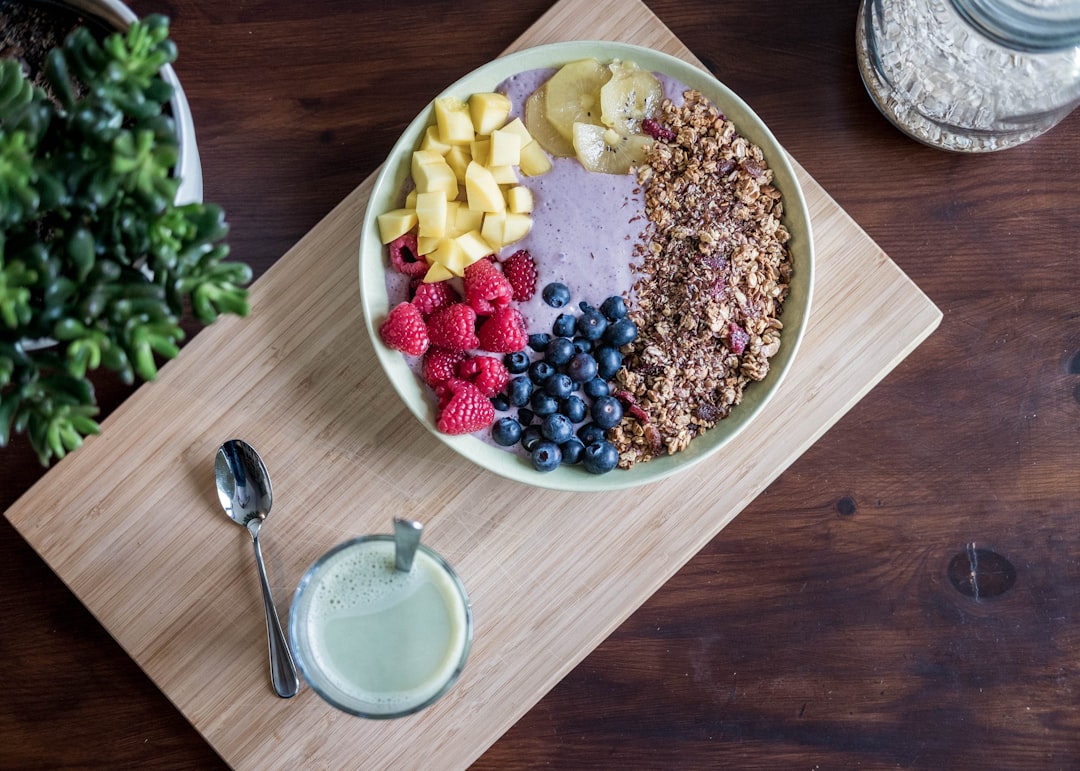
Photo by Jannis Brandt on Unsplash
It's 2:47 PM. You're staring at your computer screen, and the letters are starting to blur together. Your eyelids feel heavy. There's a fuzzy, disconnected feeling spreading through your brain, and suddenly that bag of chips in the break room is calling your name with the persistence of a siren.
You're not tired because you didn't sleep enough. You're not lazy. What's actually happening is far more interesting: your blood sugar just took a nosedive.
This afternoon slump—that specific energy crash that hits most people between 2 and 4 PM—affects roughly 70% of office workers according to a 2019 study published in the journal Chronobiology International. But here's the thing nobody tells you: the severity of your crash is almost entirely determined by what you ate for lunch.
The Blood Sugar Rollercoaster Explained
When you eat carbohydrates, your body breaks them down into glucose, which enters your bloodstream. Your pancreas responds by releasing insulin to help cells absorb that glucose for energy. Simple enough, right? But the problem lies in the speed of this process.
Imagine you grab a bagel and a coffee with syrup for breakfast. These are what nutritionists call "fast-digesting" carbohydrates. Your blood sugar shoots up rapidly—think of it like stepping on the gas pedal hard. Your pancreas panics and releases more insulin than necessary. Now your body is scrambling to bring that blood sugar back down, and it overshoots. The pendulum swings too far in the other direction.
By the time 3 PM rolls around, your blood sugar is in the basement. Your brain, which relies on glucose for fuel, is running on fumes. This triggers the release of cortisol and adrenaline—stress hormones designed to raise blood sugar in an emergency. Except there's no emergency; you just made poor lunch choices.
The result? That foggy, desperate, craving-everything feeling that makes you want to either sleep or raid the snack drawer.
Research from UCLA's David Geffen School of Medicine found that people who experience dramatic blood sugar swings throughout the day have slower reaction times, make more errors, and report higher levels of anxiety. One participant in their study improved her afternoon focus by 40% simply by adjusting her lunch composition.
Why Your Lunch Matters More Than Your Sleep Schedule
You've probably heard that breakfast is the most important meal of the day. That's actually not the full story. Lunch is where most people sabotage themselves.
Think about a typical office lunch: a sandwich on white bread, a bag of chips, maybe a cookie for dessert. Or perhaps you're the salad person, but you drench it in a sugary dressing that contains more calories than the salad itself. Both scenarios spike your blood sugar.
The critical variable isn't calories—it's the glycemic load of what you're eating. The glycemic load measures how quickly a food raises your blood sugar. It's different from the glycemic index because it accounts for portion size.
A study from Tufts University followed office workers for three weeks. One group ate standard lunches; the other ate identical meals but with added protein and fat, and refined carbs replaced with whole grains. The second group reported feeling more alert, focused, and experienced no afternoon crash. Their productivity metrics actually improved measurably.
Interestingly, the second group also reported less food cravings later in the day and slept better at night. This connects to something most people don't realize: your afternoon blood sugar crash affects your sleep that night. If you're interested in understanding more about this cascade, we've explored how your gut bacteria might be influencing your sleep patterns, which is affected by your daytime eating habits.
The Simple Framework That Actually Works
Here's what you need to understand: you can't eliminate blood sugar fluctuations. That's not how human physiology works. But you can dramatically reduce their severity through a specific approach.
The magic formula involves three components:
Protein first. Eat protein at every meal. A 2018 study in Nutrients journal found that starting your meal with protein (fish, chicken, tofu, eggs, legumes) reduces blood sugar spikes by up to 30%. Aim for 20-30 grams per meal.
Healthy fats matter. Fat slows down digestion, which means carbohydrates are absorbed more gradually. This isn't about eating a lot of fat; it's about including it strategically. Nuts, avocado, olive oil, and fatty fish all work.
Carbohydrate quality counts. This doesn't mean eliminating carbs. It means choosing whole grains over white bread, apples over apple juice, beans over white rice. The fiber in whole foods slows digestion.
A practical example: instead of a turkey sandwich on white bread with a soda, eat the turkey with avocado on whole grain bread, plus an apple. Same basic components. Dramatically different blood sugar response.
Real Results From Real People
Marcus, a software engineer, was the poster child for the 3 PM crash. He'd been drinking energy drinks and taking naps. He switched his lunch from a pasta bowl and garlic bread to grilled chicken with quinoa and roasted vegetables. Within one week, he reported clearer thinking. Within three weeks, his manager noticed he was finishing projects faster.
His secret wasn't revolutionary. He just stopped spiking his blood sugar at noon.
The beauty of this approach is that you don't need willpower or supplements. You're not restricting yourself. You're just restructuring how you eat so your body's chemistry works for you instead of against you.
Making This Your New Normal
Start with lunch this week. Pick one meal and apply the three-component framework: protein, healthy fat, quality carbohydrates. Don't overthink it. A chicken breast, some olive oil, and a sweet potato is lunch.
Notice how you feel at 3 PM. Notice what your energy is like at 5 PM. Notice your sleep that night.
That afternoon fog you've accepted as inevitable? It's not. It's just been hiding an easy fix.
Comments (0)
No comments yet. Be the first to share your thoughts!
Sign in to join the conversation.