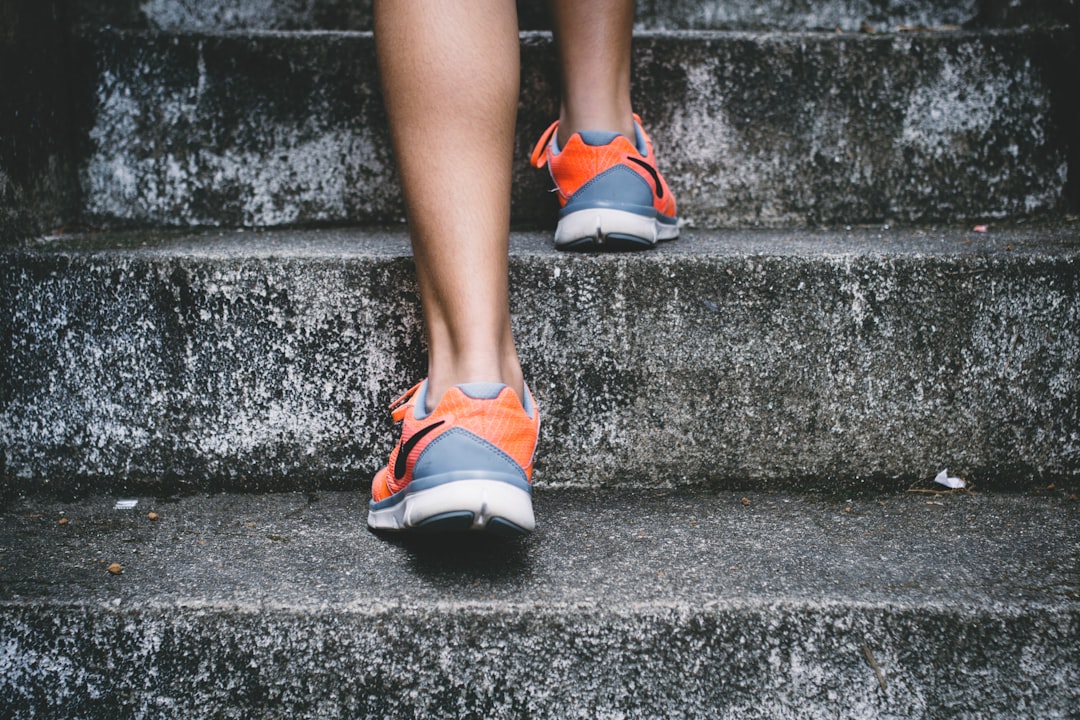
Photo by Bruno Nascimento on Unsplash
The Afternoon Energy Crash Is Real, and It's Not Your Imagination
You sit down to lunch at noon feeling reasonably alert. By 2 PM, your eyelids feel heavy, your thinking gets fuzzy, and you'd sell your car for a nap. You blame the food. Everyone blames the food. "I shouldn't have eaten those carbs," you think, reaching for another coffee. But here's what most people get wrong: that post-lunch energy cliff isn't primarily about what you ate. It's about something much more fundamental to how your body works.
The afternoon slump is so common that it has a name: the postprandial somnolence effect. But the real culprit isn't sitting on your plate. It's orchestrated by your circadian rhythm—your body's internal 24-hour clock that controls everything from hormone production to body temperature. And understanding this changed everything about how I manage my energy during the workday.
Your Circadian Rhythm Has a Built-In Dip at 2 PM (Yes, Actually Everyone's Does)
Your body temperature naturally drops in the early afternoon. This isn't random. It's part of your circadian rhythm's second peak of sleepiness, the first being at 3 AM. Studies show that core body temperature begins declining around midday and reaches its lowest point in the early afternoon—typically between 1 and 3 PM. When your core temperature drops, your body interprets this as a signal that it's time to rest.
Researchers from UC Berkeley tracked productivity patterns across thousands of workers and found that cognitive performance genuinely dips during this window. One 2012 study published in the journal Sleep Health revealed that workers experience their sharpest attention in late morning, a noticeable dip after lunch, and then a recovery period around 4 PM. This isn't weakness. This is biology.
The really interesting part? What you eat does matter, but not in the way you think. Your food choices don't create the energy dip—they just make the existing biological dip more pronounced. Eating a massive meal diverts blood flow to your digestive system, which compounds the body temperature drop your circadian rhythm is already trying to execute. Add refined carbohydrates to that scenario, and you're amplifying a process your body was already running.
Why Coffee at 2 PM Is Actually Making Things Worse
This is where most people's afternoon strategy backfires. The conventional wisdom says: energy crash at 2 PM, therefore drink more coffee. But caffeine is a bandaid on a biological process that's actually trying to tell you something important.
When you drink coffee in the afternoon, you're forcing wakefulness against your circadian rhythm's actual needs. Caffeine blocks adenosine receptors in your brain—adenosine is the compound that accumulates during the day and makes you feel tired. So yes, caffeine masks the tiredness. But your circadian rhythm is still signaling that this is a natural time for a rest period. You're fighting your own biology, and your body keeps score.
Research shows that afternoon caffeine consumption doesn't just disrupt your afternoon—it fragments your sleep that night. A study from the University of Michigan found that people who consumed caffeine after 3 PM experienced decreased sleep quality and took longer to fall asleep, even when they didn't consciously feel "wired." If you're struggling with sleep at night, that 2 PM coffee might be the villain in your story, not the solution.
What Actually Works: Working With Your Circadian Rhythm Instead of Against It
The afternoon energy crash becomes less severe when you stop fighting your biology. This doesn't mean napping at work (though in some cultures, that's exactly what people do). It means being strategic about timing and expectations.
First, schedule your most demanding cognitive work for late morning, when your attention naturally peaks. Save routine tasks—administrative work, email, easier projects—for the 1-3 PM window. You're not less capable during these hours; you're just naturally suited for different types of work. One software engineer I know restructured her entire day around this principle and reported a 30% increase in her ability to solve complex problems, simply because she stopped trying to force deep work during her low circadian point.
Second, eat lighter at lunch. This isn't about restricting calories—it's about not compounding the biological processes already underway. A salad with protein digests more gently than a massive pasta dish. Your digestive system won't demand as much blood flow, and the circadian dip will feel less severe.
Third, get bright light exposure. This directly counteracts the body temperature drop. A 10-minute walk outside in afternoon sunlight, or even sitting by a bright window, can provide enough light exposure to keep your circadian rhythm from dropping quite as low. Light is the most powerful regulator of your circadian rhythm—even more powerful than caffeine.
Finally, if you absolutely need a boost, try a 10-20 minute nap instead of reaching for a third coffee. A brief nap doesn't interfere with nighttime sleep the way afternoon caffeine does. Japanese companies have started incorporating nap time into workdays specifically because the research is overwhelming: a short rest actually increases afternoon productivity, not decreases it.
The Bigger Picture: Your Body Knows What It Needs
The afternoon slump exists across cultures and professions. It's not a character flaw or a sign you're unfit for your job. It's a built-in feature of human physiology. Many countries outside the US honor this biological reality with siesta traditions. We've essentially decided to medicate our way through a natural biological process instead of accommodating it.
Understanding your circadian rhythm changes more than just your afternoon energy levels. It affects how you should time your exercise (better in late afternoon when body temperature is naturally rising), when you should tackle creative versus analytical work, and how to build a sleep schedule that actually works with your biology instead of against it. If you want to understand more about how your body signals its needs, check out why your gut is making decisions your brain doesn't know about—it's the same principle at work in different systems.
Your afternoon energy crash isn't a problem to solve with willpower or stimulants. It's information. Your body is telling you something about how it actually works. The question is whether you'll listen, or whether you'll keep fighting against the very biology that keeps you alive.
Comments (0)
No comments yet. Be the first to share your thoughts!
Sign in to join the conversation.