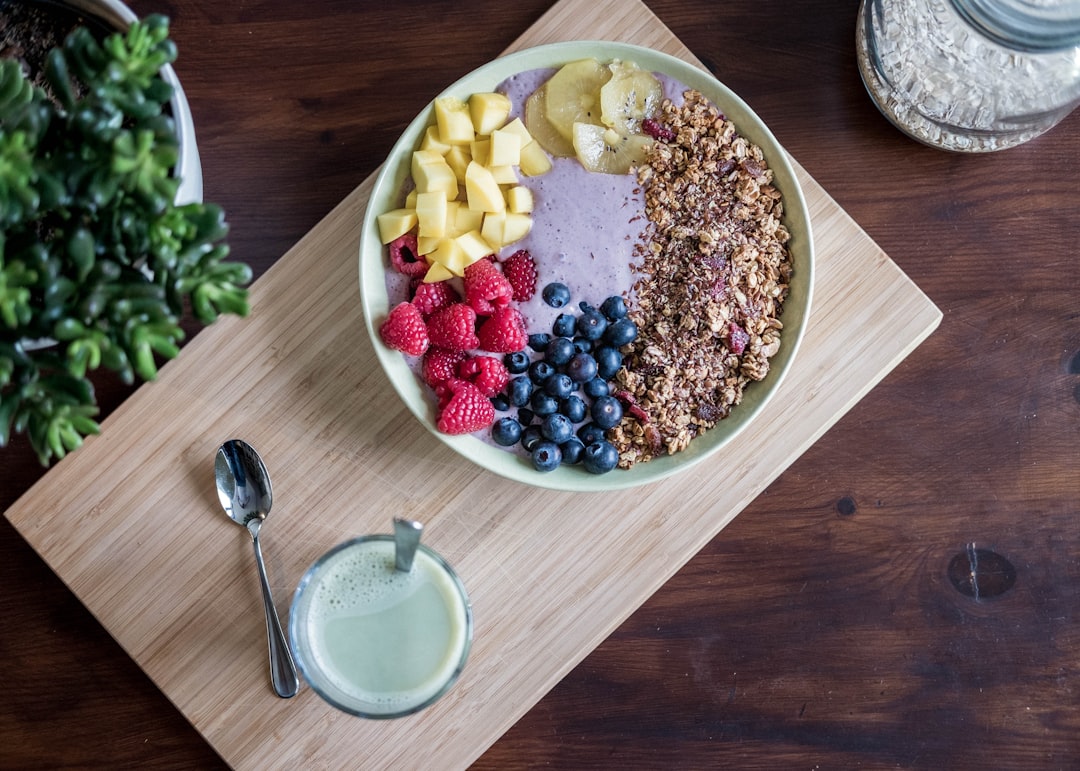
Photo by Jannis Brandt on Unsplash
When Your Gut Whispers to Your Brain
Three years ago, Sarah started noticing a strange pattern. Every time her IBS flared up, her anxiety would spike within hours. She'd mention it to friends, and they'd nod sympathetically but offer the usual advice: try yoga, meditate more, see a therapist. None of it addressed the root issue. Then she discovered something that changed everything: her gut bacteria might have been orchestrating her panic attacks the whole time.
This isn't some fringe wellness theory whispered about in supplement shops. The gut-brain axis is now one of the most researched frontiers in neuroscience and gastroenterology. We're talking peer-reviewed studies from Stanford, MIT, and the Max Planck Institute. The evidence is getting harder to ignore.
How Tiny Organisms Control Your Moods
Your gut houses roughly 37 trillion bacteria. Yes, trillion with a T. These microscopic residents aren't just hanging out—they're actively manufacturing neurotransmitters. About 90 percent of your body's serotonin is produced in your gut, not your brain. Let that sink in for a moment. That "happy chemical" that antidepressants are supposed to increase? Your bacteria are literally making it.
Neuroscientist John Cryan has spent decades studying this connection. His research shows that certain bacterial strains directly influence GABA and dopamine production—the neurotransmitters responsible for calm and motivation. When your microbiome is balanced, you feel relatively stable. When it's thrown off? That's when things get interesting, and not in a good way.
The mechanism works through something called the vagus nerve, which acts like a two-way communication highway between your gut and brain. Your bacteria send chemical signals up this nerve, literally telling your brain how to feel. If your microbiome is dominated by harmful bacteria, those signals can trigger inflammatory responses that manifest as anxiety, depression, or brain fog.
What Actually Destroys Your Microbiome
The culprits are probably already in your kitchen or medicine cabinet. Antibiotics are the obvious villain—they're like dropping a bomb on your gut ecosystem. One course of antibiotics can wipe out beneficial bacteria for months, and some strains never fully recover. But the damage doesn't stop there.
Ultra-processed foods are another major disruptor. Those colorful cereals, packaged snacks, and drive-thru meals contain ingredients that actively feed harmful bacteria while starving the good ones. Artificial sweeteners, which many of us thought were the "healthy" choice, actually alter your microbiome composition more than regular sugar does. Studies have shown that aspartame and sucralose can increase anxiety-related behaviors in mice by shifting their bacterial populations within weeks.
Then there's stress itself—which creates a vicious cycle. Chronic stress damages your gut lining, allowing bacteria to leak into your bloodstream (something called "leaky gut"), which triggers inflammation and worsens anxiety. It's a feedback loop that feeds on itself.
Other sneaky culprits include excessive alcohol consumption, sleep deprivation, chlorinated tap water, and even excessive hand sanitizer use. Our modern lives are essentially engineered to destroy a healthy microbiome.
The Anxiety-Gut Connection in Action
One striking example comes from a 2019 study published in Psychiatry Research. Researchers gave probiotics containing specific bacterial strains to people with generalized anxiety disorder. After 8 weeks, 32 percent of the probiotic group experienced clinically significant reductions in anxiety symptoms—comparable to some pharmaceutical interventions, but without the side effects.
Or consider the story of Marcus, a 34-year-old software engineer who'd struggled with panic attacks for a decade. He'd tried SSRIs, therapy, meditation apps—everything. His therapist finally suggested he see a gastroenterologist because of his chronic bloating. The gastro doc ran a stool analysis and found his microbiome was almost completely depleted of Lactobacillus and Bifidobacterium, the "chill bacteria" that produce calming neurotransmitters. After six months of targeted probiotics and dietary changes, his panic attacks virtually disappeared. His anxiety didn't vanish overnight, but the frequency and intensity dropped dramatically.
This isn't a cure-all narrative where probiotics replace therapy or medication. It's more nuanced. But it does suggest that for many people experiencing anxiety, the actual problem has been sitting in their intestines the whole time.
Rebuilding Your Microbiome From Scratch
If you recognize yourself in any of this—chronic anxiety, IBS, brain fog, mood swings—there are concrete steps to take. Start by eliminating the worst offenders: processed foods, artificial sweeteners, and unnecessary antibiotics (talk to your doctor before stopping any prescribed medications).
Then rebuild intentionally. Fermented foods like sauerkraut, kimchi, and kefir introduce live bacteria. Fiber-rich foods like oats, asparagus, and garlic act as fuel for beneficial bacteria. If you're considering a probiotic supplement, look for multi-strain formulas with at least 10-20 billion CFUs and strains specifically linked to mood improvement like Lactobacillus helveticus and Bifidobacterium longum.
Sleep matters too. Your microbiome follows a circadian rhythm just like your brain does. Inconsistent sleep schedules actively harm bacterial diversity.
If you also struggle with caffeine's effects on your nervous system, read more about how timing your caffeine intake can stabilize your mood and sleep—because when you're working to heal your microbiome, every variable matters.
The revolutionary part about understanding the gut-brain axis isn't that it provides a quick fix. It's that it reframes anxiety not as a purely psychological or neurological problem, but as a biological one with biological solutions. Your bacteria might not be the whole story, but they're a much bigger chapter than we've given them credit for.
Comments (0)
No comments yet. Be the first to share your thoughts!
Sign in to join the conversation.