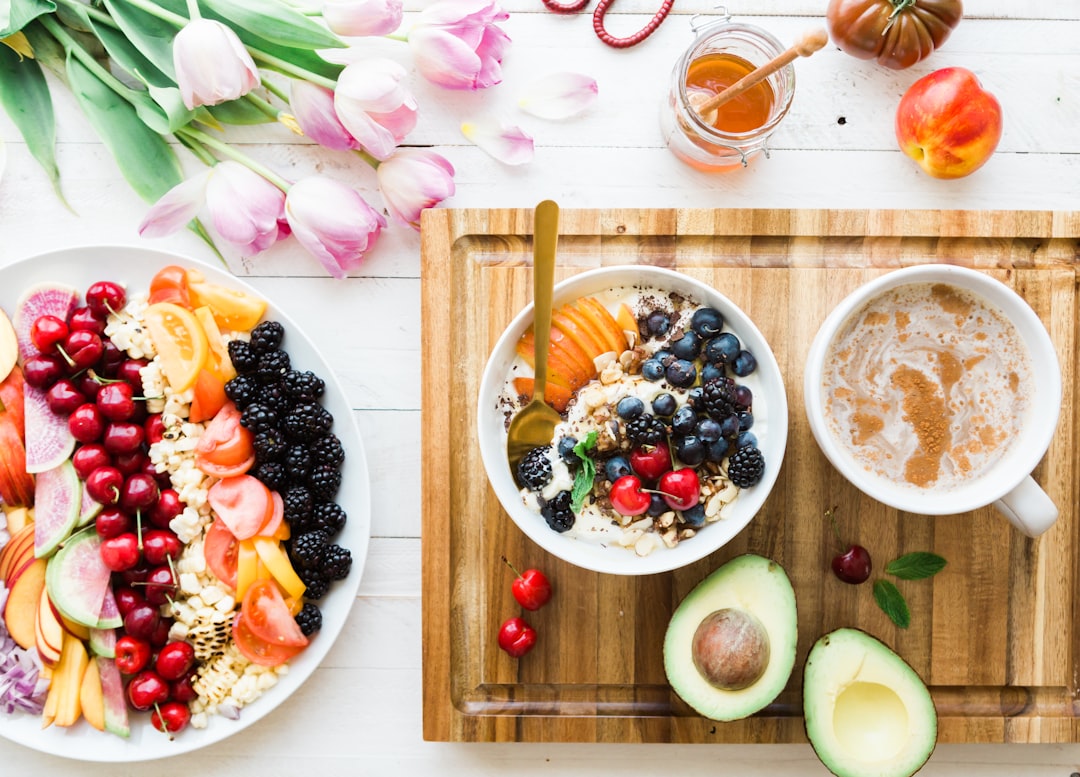
Photo by Brooke Lark on Unsplash
Sarah started her mornings the same way most fitness enthusiasts do: a quick protein shake with berries, spinach, and almond milk. She'd been doing it for three years, watching her muscles develop and her energy stabilize. But around month thirty-six, something shifted. Her skin became dull, her complexion developed a leathery texture, and she noticed fine lines appearing faster than they should. "I'm only 32," she told her dermatologist in frustration. "This doesn't make sense."
It made perfect sense, actually. And Sarah's experience isn't unique—it's become increasingly common among people prioritizing fitness over skin health, often without even realizing the connection.
The Protein Paradox: Building Muscle, Breaking Collagen
High-protein diets have become synonymous with health and fitness. The logic seems airtight: protein builds muscle, muscle is metabolically active, therefore more protein equals a better body. Most fitness influencers recommend consuming 0.8 to 1 gram of protein per pound of body weight daily. That's substantial.
Here's what's rarely discussed: excessive protein consumption triggers a process called glycation. When you consume more protein than your body can efficiently utilize, those excess amino acids bond with glucose molecules in your bloodstream. The resulting compounds—advanced glycation end products, or AGEs—are essentially collagen killers. They cross-link collagen fibers, making them stiff and inflexible while simultaneously discoloring them.
Think of collagen like fresh rubber bands. Glycation turns them into old, brittle ones that snap easily and look visibly aged. This process happens systematically throughout your body, but nowhere is it more visible than your face.
A 2016 study published in the British Journal of Dermatology followed 70 women aged 30-60 over six months. Half maintained standard protein intake; half increased their protein consumption to match heavy training protocols. The high-protein group showed significantly higher AGE levels in skin biopsies—and more importantly, reported visible increases in fine lines and reduced skin elasticity.
The Whey Protein Wild Card: Not All Protein Is Created Equal
Not every protein source triggers glycation equally. This is crucial. Plant-based proteins like pea, hemp, and lentil proteins contain lower amounts of branched-chain amino acids (BCAAs) and don't process through your system as aggressively as whey protein.
Whey protein is highly processed and rapidly absorbed. Your body floods with amino acids quickly, which actually forces it to convert excess amounts to glucose—creating a perfect storm for glycation. One scoop of whey protein powder contains roughly 20-25 grams of protein. A morning shake plus a post-workout shake puts you at 40-50 grams before breakfast.
This matters because your body can only synthesize about 25-30 grams of protein per meal effectively. Beyond that threshold, you're not building more muscle; you're essentially creating metabolic waste that ages your skin.
Marco, a 28-year-old bodybuilder, switched from whey to rice and pea protein blends while maintaining his training intensity. Within four months, his skin improved noticeably—less inflammation, better tone, fewer breakouts. His muscle gains actually increased slightly, likely because he wasn't pushing his body into a protein-processing overdrive.
The Dehydration Connection Most People Miss
High protein consumption requires significant water intake to process efficiently. Most people aren't drinking enough. The recommended baseline is 0.5 ounces per pound of body weight; athletes should add another 12-16 ounces per hour of training. A 150-pound person doing an hour of intense exercise needs around 100 ounces of water daily—roughly three liters.
Most people drink half that.
Chronic dehydration accelerates skin aging dramatically. It reduces blood flow to the skin, decreases nutrient delivery, and concentrates toxins in the dermis. Combined with high protein intake, you're essentially creating the perfect conditions for premature aging.
Your skin becomes a visual indicator of internal dehydration. It develops a tight, papery texture. Wrinkles become more pronounced. Even your under-eye area starts showing that hollow, aged appearance that no amount of concealer can fix.
Rebalancing: The Smarter Approach to Protein and Fitness
This doesn't mean abandoning protein. It means being strategic. Research your specific needs—actual muscle-building requirements are lower than the fitness industry suggests. A meta-analysis in the British Journal of Sports Medicine found that protein intake beyond 1.6 grams per kilogram of body weight (approximately 0.73 grams per pound) provided no additional muscle-building benefit for strength training.
For a 150-pound person, that's about 110 grams daily. One protein shake. One high-protein meal. One protein-rich snack. You're done.
Beyond portion control, consider timing. Spreading protein intake throughout the day (rather than loading it front-loaded) improves absorption and reduces glycation stress. Add collagen-boosting foods: vitamin C sources like citrus and bell peppers, omega-3 fatty acids from fatty fish, and foods rich in copper and zinc.
And if you're serious about fitness, check out why your workout routine is destroying your teeth (and how to stop it)—because optimal health means protecting all the systems that make you feel and look young.
Sarah adjusted her approach. She switched to plant-based protein, reduced her daily intake to 100 grams, and increased her water consumption to three liters daily. Within twelve weeks, her dermatologist noted improved skin texture and reduced fine lines. Within six months, she looked like a version of herself that actually matched how fit she felt.
That's the real goal of fitness, isn't it? Not to look better despite your workouts, but because of them.
Comments (0)
No comments yet. Be the first to share your thoughts!
Sign in to join the conversation.