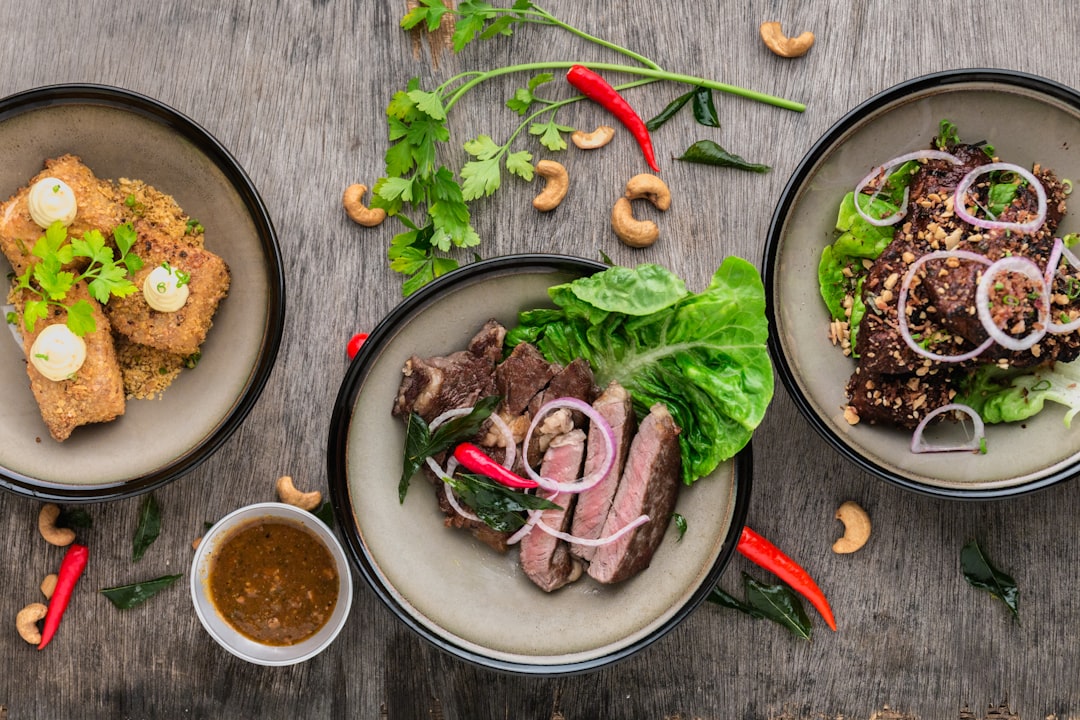
Photo by Lily Banse on Unsplash
Last spring, I sat down at a hidden sushi counter in Brooklyn where the chef, Kenji, spent fifteen minutes talking about a single bowl of dashi broth. Not the fish in it. Not the presentation. Just the broth. He explained how he'd been experimenting with kombu seaweed for three weeks, testing different harvest times and water temperatures, chasing something he called "the fifth taste." I nodded politely, assuming he was being pretentious. I was completely wrong.
Umami—that elusive, impossible-to-describe savory sensation that coats your mouth and makes you want another bite—has quietly become the holy grail of modern cooking. But here's the thing that chef Kenji understood and most home cooks don't: umami isn't some fancy culinary concept reserved for Michelin-starred restaurants. It's a legitimate biological taste, as real as sweet, salty, sour, and bitter, and once you understand it, you'll start seeing it everywhere in your kitchen.
The Science Behind the Fifth Taste Nobody Told You About
For decades, Western science recognized only four basic tastes. Then, in 1908, a Japanese chemist named Kikunae Ikeda was studying the flavor of kombu seaweed and realized he was experiencing something entirely different from the established four. He called it "umami," which roughly translates to "pleasant savory taste" in Japanese. But Western food science largely ignored him for almost a century.
What's actually happening when you taste umami? Your taste receptors are responding to glutamates and nucleotides—specifically compounds like glutamic acid and inosinate. Your brain registers these compounds and triggers a cascade of satisfaction signals. It's why aged Parmesan cheese tastes so deeply satisfying, why a bowl of ramen broth makes you feel genuinely comforted, and why tomato paste concentrates flavor so powerfully. You're not imagining it. Your neurotransmitters are literally getting a signal that this food is valuable and delicious.
The breakthrough moment came in the 1980s when neuroscientists finally identified the actual taste receptors for umami on the human tongue. Suddenly, Ikeda's century-old discovery had scientific legitimacy. Today, umami is officially recognized as the fifth taste by organizations like the American Chemical Society and the flavor industry. It took nearly 100 years, but we finally caught up to what Japanese cooks have known all along.
Where Umami Actually Hides in Your Pantry
Here's what makes umami fascinating: it's not expensive or hard to find. It's lurking in foods you already buy. Tomatoes, especially when cooked or concentrated. Aged cheeses. Mushrooms. Fermented foods. Meat broths. Soy sauce. Fish sauce. Cured meats. Even nutritional yeast and anchovy paste.
The real magic happens when you combine umami sources. A classic Italian tomato sauce with Parmesan cheese isn't just delicious because the ingredients are good—it's a umami bomb because you're layering multiple sources of glutamates. That's why a simple bowl of pasta with tomato sauce and cheese can feel so satisfying despite its simplicity. The chef isn't doing anything fancy. They're just stacking umami on top of umami.
Restaurant chefs have gotten ruthless about this. They'll reduce a stock for hours to concentrate the umami compounds. They'll age cheese specifically for its umami content. They'll ferment ingredients—and if you want to understand fermentation's role in creating umami-rich foods, check out The Fermentation Renaissance: Why Your Kitchen Should Smell Like a Pickle Factory—to develop those deep, savory flavors that make your mouth water.
The Home Cook's Umami Hack That Changes Everything
You don't need a culinary degree to start using umami intentionally in your cooking. You need three things: awareness, good ingredients, and patience.
Start by building a basic umami pantry. Quality soy sauce (the real stuff, not the synthetic versions). A decent chunk of Parmigiano-Reggiano. Dried mushrooms—shiitake, porcini, whatever you can find. Anchovy paste. Miso. Fish sauce. These aren't fancy ingredients. They're accessible, and they transform ordinary food into something memorable.
Then, here's the practical approach: think about adding one umami element to dishes where you want more depth. Making a beef stew? Add tomato paste and soy sauce. Scrambling eggs? Stir in a tiny bit of miso paste and Parmesan. Making vegetable soup? Throw in dried mushroom pieces and let them steep. None of these additions scream "umami"—they just make the dish taste better, more complete, more satisfying.
The data backs this up. A 2021 study published in the journal Appetite found that when home cooks intentionally incorporated umami-rich ingredients, they reported higher satisfaction from their meals and were more likely to cook the same dishes again. They weren't just enjoying the food more—they were becoming more engaged cooks.
Why Restaurants Are Winning With Umami and You Can Too
The reason umami has become such an obsession in professional kitchens is straightforward: it makes people happy. Happy customers come back. They tell their friends. They post about it online. It's not manipulation—it's just cooking in a way that resonates with human biology.
A restaurant chef I spoke with at a small Italian place in Manhattan explained it perfectly: "We're not inventing flavors. We're just being very intentional about what's already there in the ingredients. Umami is the language those ingredients speak."
The beautiful part is that this approach actually makes cooking easier, not harder. You're not fighting against your ingredients or your taste buds. You're working with them. You're acknowledging that certain flavor combinations satisfy us on a fundamental level and building from there.
Start small. Buy one umami ingredient you don't already have. Taste it. Think about where it could go in your cooking. That's it. That's the entire process. Within a week, you'll notice yourself reaching for it repeatedly, finding new places to add it, discovering combinations that just work. You'll be cooking like a chef—not because you're following complicated recipes, but because you understand the language your food is speaking.
Comments (0)
No comments yet. Be the first to share your thoughts!
Sign in to join the conversation.