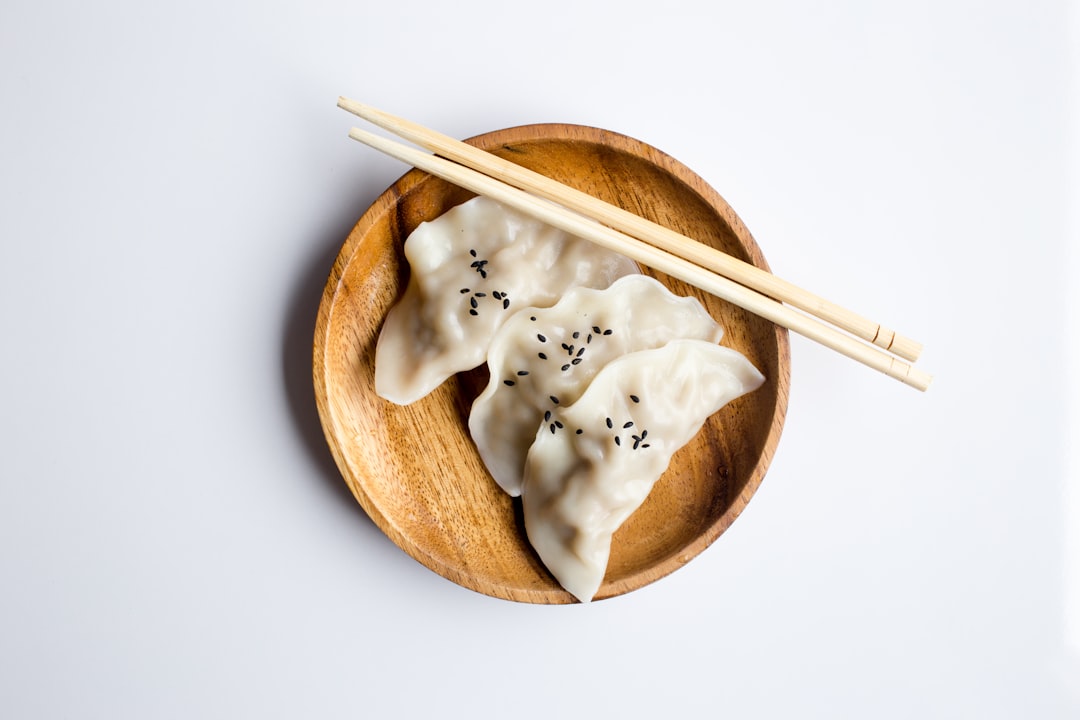
Photo by charlesdeluvio on Unsplash
My friend Sarah texted me a photo last Tuesday: three glass jars lined up on her kitchen counter, filled with vegetables submerged in cloudy brine. The caption read: "I'm officially that person now." She wasn't wrong. In the past six months, she'd gone from buying kombucha at $4 a bottle to brewing five batches simultaneously, her kitchen smelling perpetually like a combination of a sauerkraut factory and a science experiment gone slightly wrong. She's not alone. Fermentation has exploded from niche health obsession into a genuine cultural movement, and it's reshaping how millions of people approach food.
When Ancient Preservation Became Cool Again
Fermentation isn't new. Humans have been fermenting foods for roughly 7,000 years—longer than we've been writing down recipes or building proper kitchens. Every civilization figured this out independently: leave food sitting around with salt and beneficial bacteria, and suddenly it lasts longer, tastes better, and your gut probably thanks you. Korean grandmothers have been making kimchi for centuries. Eastern Europeans have been perfecting sauerkraut since forever. Japanese cooks mastered miso before the printing press existed.
What's changed is that we've stopped seeing fermentation as survival strategy and started seeing it as self-care. The wellness industry (worth roughly $4.5 trillion globally, according to the Global Wellness Institute) grabbed fermented foods like a golden ticket. Probiotics became a buzzword. Gut health became personality. Suddenly, the same technique your great-grandmother used to preserve cabbage through winter became an Instagram aesthetic.
But here's the twist: the wellness hype machine actually isn't wrong about the benefits. Fermented foods genuinely contain live beneficial bacteria. Your gut actually does improve when you consume them regularly. The science is solid, even if the marketing is occasionally insufferable.
The DIY Movement That Actually Saves Money
Let's talk economics for a second. A bottle of quality kombucha costs between $3 and $6. A jar of fancy sauerkraut runs you $8 to $12. A single serving of miso soup at a restaurant? Often $4 to $8. These prices make sense when you're buying someone else's labor and expertise. But at home? The numbers get absurd.
To start fermenting at home, you need: glass jars (which you probably already own), salt (which costs almost nothing), and vegetables (which you already buy). A single head of cabbage—usually under $2—becomes three to four jars of sauerkraut that costs roughly $0.50 per jar to produce. That's not a typo. You save roughly 85% compared to store-bought versions. For someone making their own kombucha regularly, the cost per bottle drops to approximately $0.30 after the initial SCOBY setup.
This economics explain why fermentation hit different during the pandemic. When people were stuck at home with anxieties about supply chains and money, a fermenting jar offered control and savings simultaneously. You watched something transform in real time. You created something edible with basically zero financial investment. It felt like magic disguised as science.
Why Your Neighbor Now Has Five Fermentation Crocks
What started as a practical kitchen habit has evolved into genuine enthusiasm. Search "fermentation" on TikTok and you'll find over 800 million views. Reddit's r/fermentation has 350,000 members actively discussing everything from the perfect brine ratio to whether you can ferment fruit juice (you can, apparently, and it's complicated).
People are fermenting things that probably shouldn't be fermented. Honey. Coffee. Chocolate. Hot sauce recipes that would make a medieval alchemist blush. Some experiments work brilliantly. Others result in jars that smell like something died inside them, which is apparently part of the learning process.
The community aspect matters more than people realize. Fermentation requires patience—something we're collectively terrible at. You can't rush kimchi. A proper miso takes months or years. This slowness, in a culture obsessed with instant gratification, becomes almost meditative. People share their vessels like proud parents, celebrate successful batches, and commiserate over fermentation failures. If you're interested in understanding the deeper cultural obsession with fermentation projects, you might appreciate our piece on why sourdough starters are the new houseplants—it explores the same psychological connection to living food cultures.
The Legitimate Health Benefits (Without the Hype)
Strip away the Instagram aesthetics and the wellness industry marketing, and fermentation still offers real advantages. Live cultures in fermented foods are different from probiotics in pill form—they're not heated to death during processing. They actually reach your gut alive.
Studies suggest that eating fermented foods regularly can improve digestive health, support immune function, and enhance nutrient absorption. Fermentation actually increases the bioavailability of certain nutrients—your body can absorb more of them because the fermentation process breaks down compounds that normally inhibit absorption.
The histamine content can be a problem for some people with specific sensitivities, and it's worth noting that pasteurized fermented foods (available in many stores) contain no live cultures whatsoever. If you're buying fermented foods for the probiotic benefit, you need the unpasteurized versions. Check the label. This matters.
Getting Started Without Becoming That Person
You don't need equipment. You don't need a fancy fermentation crock or specialized jars. You need: a regular glass jar, salt, vegetables, and water. That's genuinely it. Fill a jar with chopped vegetables, dissolve salt in water (roughly 2-5% salt by weight), pour it over the vegetables until they're submerged, cover loosely so gas can escape, and wait.
Within days, you'll see bubbles—that's fermentation happening. Within a week or two, you'll have a tangy, crunchy product that tastes like money you didn't spend. After a while, you'll understand why your friend Sarah has five jars going simultaneously. It's not really about the fermented vegetables, though you'll definitely eat those. It's about participating in something ancient, practical, and genuinely rewarding.
The fermentation renaissance isn't going anywhere because, unlike most food trends, it actually works. It saves money, it tastes good, it's better for you, and it doesn't require anyone to own seventeen specialized appliances. Sometimes the oldest ideas, properly revived, turn out to be the most revolutionary.
Comments (0)
No comments yet. Be the first to share your thoughts!
Sign in to join the conversation.