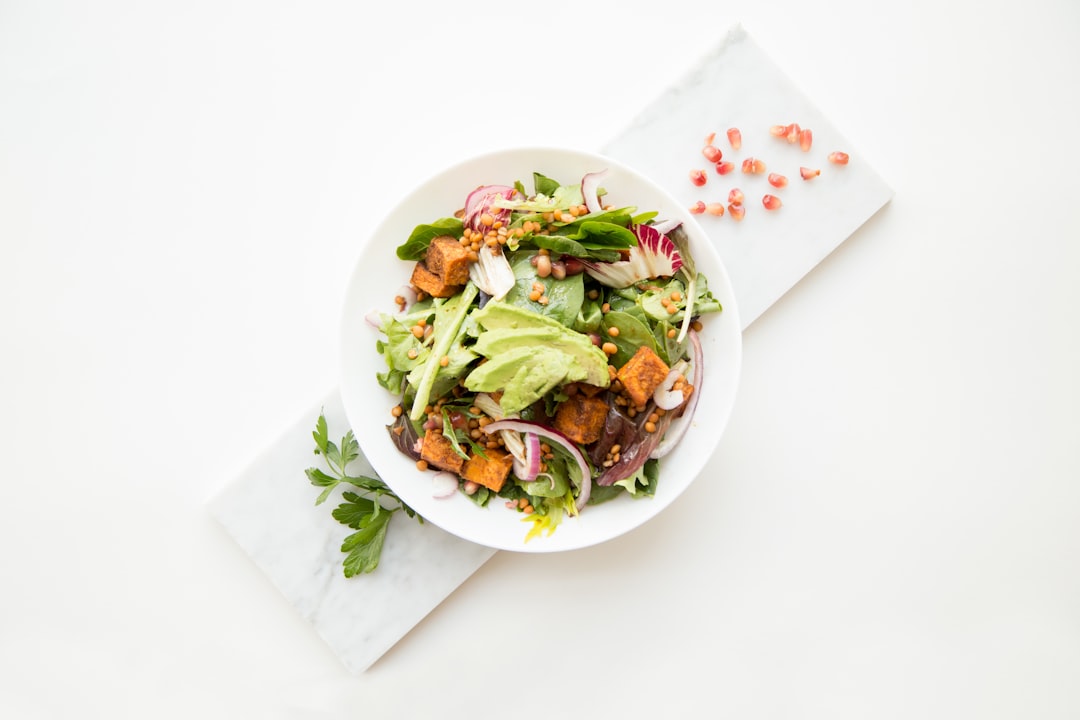
Photo by Hermes Rivera on Unsplash
If you've ever found yourself at odds with someone over cilantro, you're not alone. About 14% of people experience a distinctly soapy, unpleasant taste when they eat this ubiquitous herb. For decades, this was dismissed as a quirk, a matter of preference, something to joke about over dinner. But recent genetic research has revealed something far more fascinating: your hatred of cilantro might literally be written into your DNA.
The culprit? A gene called OR6A2. This olfactory receptor gene influences how your brain interprets the aldehydes present in cilantro—the same compounds that give soap its characteristic scent. If you inherited certain variations of this gene, your nose essentially sends your brain a message that cilantro smells like cleaning products. And once your brain gets that signal, there's not much willpower can do about it.
The Science Behind the Soapy Sensation
Let's talk about aldehydes. These organic compounds are everywhere in nature—they appear in fruits, vegetables, and herbs. In cilantro, they're a major flavor component, contributing to that bright, fresh taste that cilantro lovers crave. But to someone with the OR6A2 variation, these same molecules trigger the olfactory receptors associated with soap and detergent.
Here's where it gets interesting: taste is about 80% smell. When you eat something, volatile compounds travel up the back of your throat to your nasal cavity, where your olfactory receptors interpret them. This is why food tastes bland when you have a cold. The aldehydes in cilantro are particularly volatile, which means they easily reach those receptors.
A 2012 study published in PLOS ONE examined this phenomenon more closely. Researchers found that people who reported cilantro tasting soapy were significantly more likely to carry specific variants of the OR6A2 gene. But here's the kicker: genetics isn't the whole story. Geographic and cultural factors also play a massive role. People who grew up eating cilantro regularly tend to enjoy it more, regardless of genetics. Our brains are remarkably plastic, capable of learning to override initial negative reactions through repeated exposure.
Why Evolution Might Have Given Us This "Flaw"
Before you curse your ancestors, consider that this genetic sensitivity might not be a design flaw. In fact, it could be an evolutionary advantage.
The aldehydes that create the soapy taste in cilantro are actually present in many plants that are toxic to humans. A heightened sensitivity to aldehydes could have helped our ancestors identify potentially poisonous vegetation. Those who found aldehydes repulsive would naturally avoid plants that contained them in high concentrations, reducing the risk of accidental poisoning.
This theory, known as the "toxin avoidance hypothesis," suggests that cilantro-haters aren't defective—they're potentially more cautious eaters. Of course, this doesn't apply to cilantro itself, which is completely safe. But it does suggest that genetic taste variations exist for a reason, even if that reason no longer applies in our modern world.
The Cultural Divide That Goes Deeper Than Preference
Here's something most people don't realize: cilantro hate isn't equally distributed across all populations. Studies suggest that the prevalence of OR6A2 variants differs across ethnic groups, with some populations having higher frequencies than others. This means that certain cuisines, which have centered cilantro for centuries, developed among people whose genetic makeup predisposed them to enjoy it.
In Mexico, cilantro appears in countless dishes—salsas, guacamole, soups, tacos. Mexican cuisine evolved this way partly because the indigenous population, on average, had fewer people experiencing the soapy taste sensation. Similarly, cilantro is fundamental to South Asian and Southeast Asian cooking, suggesting populations in those regions also skew toward genetic tolerance.
This creates an interesting cultural dynamic. When someone raised in a cilantro-heavy cuisine moves elsewhere, or when non-cilantro cuisines become globalized, you get these passionate disagreements. It's not really about taste in the subjective sense—it's about biology meeting culture, and sometimes they simply don't align.
Can You Actually Change Your Mind About Cilantro?
The good news: yes, you might be able to retrain your palate. The bad news: it takes genuine effort and repeated exposure.
Your olfactory system has something called "olfactory adaptation." When you're repeatedly exposed to a smell, your brain gradually stops registering it as strongly. This is why you stop noticing your own perfume after wearing it for an hour, or why your house no longer smells like your cooking hours after you've finished.
By eating cilantro regularly—even in small amounts, mixed into foods where it's less obvious—some cilantro-haters have reported that the soapy sensation gradually diminishes. It usually takes several weeks of consistent exposure. Start by adding small amounts to curries, salsas, or Vietnamese pho, where the cilantro isn't the dominant flavor. Your brain might eventually learn to interpret those aldehydes as pleasant rather than off-putting.
That said, if you've spent 30 years hating cilantro, there's no guarantee you'll suddenly become a fan. And honestly? You don't have to. The world is big enough for both cilantro lovers and haters. There's no shame in your genetic reality.
The Bigger Picture: What This Teaches Us About Food
The cilantro debate illustrates something crucial that we often forget: food preferences aren't entirely personal choices. They're the product of genetics, upbringing, cultural context, and neuroplasticity all working together. When someone says they hate cilantro, they're not being difficult—they might literally be experiencing a different flavor than you are.
This applies to more than just cilantro. Some people genuinely taste bitterness more intensely than others due to variations in taste receptor genes. Some experience spicy foods more painfully due to TRPV1 receptor sensitivity. Others find that umami—that savory fifth taste—is far more pronounced in their experience. If you're curious about understanding umami's role in restaurant cooking, our exploration of umami and professional chef techniques offers fascinating insight.
The next time you have a heated discussion about cilantro, you're not just debating flavor. You're encountering the fascinating intersection of biology and culture. And maybe, just maybe, you can approach it with a little more understanding—and a little less judgment.
Comments (0)
No comments yet. Be the first to share your thoughts!
Sign in to join the conversation.