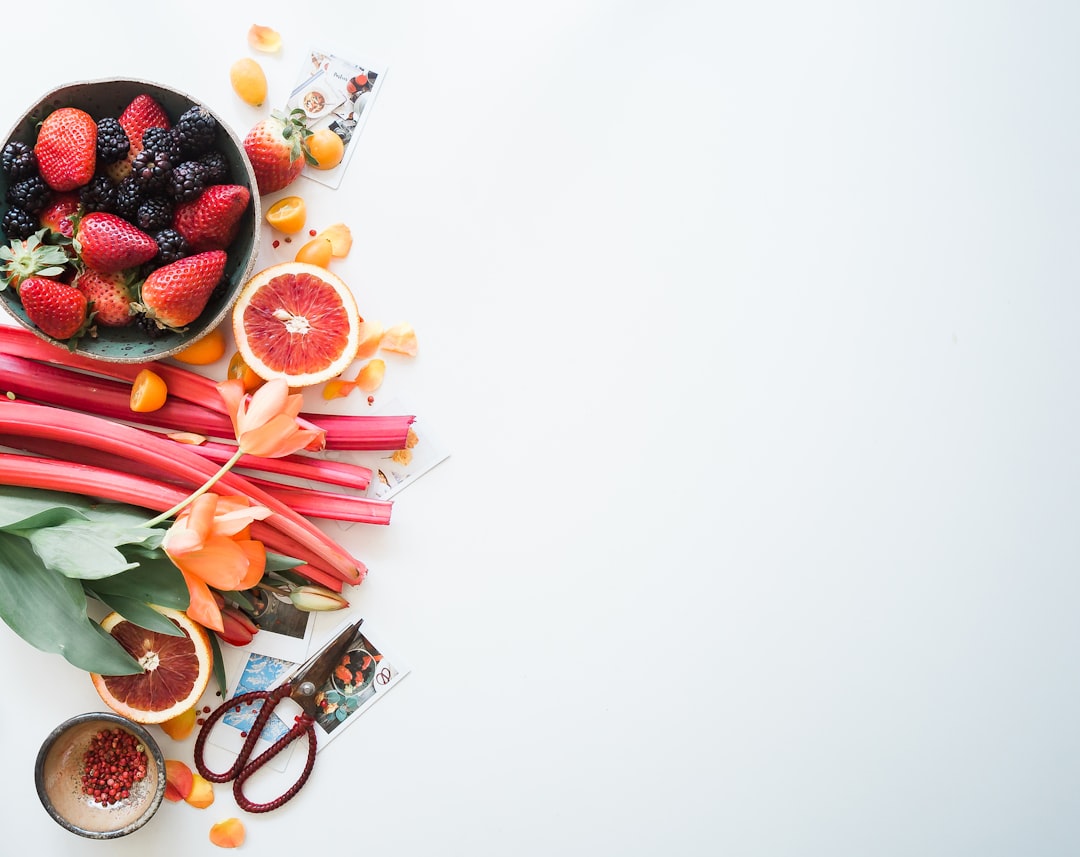
Photo by Brooke Lark on Unsplash
Last Tuesday, I sat in my kitchen staring at a bag of chips I'd demolished in twenty minutes. Not because I was hungry. Because I couldn't stop. That nagging feeling of having lost control to a snack sent me down a rabbit hole of food science that fundamentally changed how I think about eating.
The culprit? Umami—the fifth taste alongside sweet, salty, sour, and bitter. And it's not an accident that it tastes so good.
What Exactly Is Umami, and Why Does It Matter?
Umami, which means "pleasant savory taste" in Japanese, was officially recognized as a distinct taste in 1908 by chemist Kikunae Ikeda. He identified it as the flavor produced by glutamates and nucleotides like inosinate and guanylate. If that sounds clinical, it's because it is—but the human response to it is anything but.
When umami hits your taste buds, your brain doesn't just register "this tastes good." Your brain lights up like a Christmas tree. Studies using fMRI imaging show that umami activates the same reward pathways as cocaine and heroin. Not a little. The same pathways. Your anterior insula and orbitofrontal cortex—areas associated with pleasure and reward—fire up intensely. You're literally experiencing a chemical reward cascade that your prehistoric ancestors evolved to crave.
Here's the evolutionary logic: umami signals protein-rich foods. Before grocery stores existed, finding protein meant survival. Your brain evolved to make umami taste absolutely irresistible because the stakes were literally life and death. Now? That same drive keeps you reaching into the chip bag.
The Industrial Umami Revolution Nobody Asked For
For most of human history, umami flavors came exclusively from fermented foods, aged cheeses, slow-cooked broths, and ripe tomatoes. The umami was real. It was earned. Food companies changed all that in the 1950s.
The turning point came in 1908, right after Ikeda's discovery. Japanese company Ajinomoto began mass-producing monosodium glutamate (MSG)—the chemical that creates umami taste without requiring months of fermentation or aging. Suddenly, any food manufacturer could spray umami onto cardboard and call it flavor. By the 1960s, MSG had become ubiquitous in processed foods across the globe.
But here's what's wild: food companies didn't stop at MSG. They layered umami amplifiers into products. Yeast extract. Nucleotides. Soy sauce powder. Chicken bouillon. Parmesan cheese powder. Hidden umami bombs everywhere. A single package of instant ramen contains umami from MSG plus additional umami from yeast extract plus sodium inosinate—a umami triple-threat designed to override your satiety signals.
Michael Moss's investigation into food engineering revealed that major manufacturers employ teams of scientists whose entire job is to find the precise "bliss point"—the exact ratio of salt, sugar, and fat that maximizes craving while minimizing conscious awareness of overeating. Umami is the secret weapon in that arsenal.
Why You Can't Stop (Even Though You Want To)
The neuroscience here is merciless. Umami doesn't make you feel full. Unlike fiber or protein, which trigger genuine satiety signals, umami specifically activates your reward circuitry while remaining invisible to your hunger-suppression mechanisms. You can be completely stuffed and still experience the compulsion to eat more umami-loaded food.
A 2019 study published in Nutrients found that people consuming umami-enhanced foods ate an average of 30% more calories before reporting fullness compared to the same foods without umami enhancement. Thirty percent. That's the difference between a reasonable meal and binge eating, engineered at the molecular level.
The mechanism is insidious. Your brain's glutamate receptors—the biological sensors for umami—are primarily located in areas governing pleasure and motivation, not satiation. Eating umami-rich foods activates your motivation to eat more, separate from your body's actual nutritional needs. You're fighting a biological override command.
Finding Your Way Out of the Umami Trap
Here's the uncomfortable truth: you can't simply "willpower" your way past millions of years of evolution plus decades of food engineering. But awareness changes the game significantly.
Start by reading ingredient lists specifically for hidden umami enhancers: monosodium glutamate, yeast extract, soy sauce, nucleotides, autolyzed yeast, hydrolyzed proteins. Manufacturers hide these behind innocent-sounding names. When you see these, you're seeing intention—someone decided to engineer cravingness into this food.
Second, seek out real umami. Make bone broth. Buy aged cheese. Let tomatoes fully ripen. Ferment vegetables. These foods contain umami earned through actual chemistry—fermentation, aging, ripening—not sprayed on by a chemist. Your body recognizes the difference. Real umami comes packaged with nutrients: amino acids, minerals, vitamins. Your satiety signals actually work correctly because the food delivers what umami promises.
Third, rotate your umami sources. When you eat umami-enhanced processed foods repeatedly, your taste receptors downregulate—you need more stimulation to get the same reward. This is tolerance, and it's how snacking becomes compulsion. By keeping your umami sources varied and real, you maintain sensitivity to genuine flavors.
Consider also that traditional fermentation methods create complex flavors that processed umami can't match—your grandmother wasn't just making good food; she was making food that actually satisfied.
The Radical Act of Eating Consciously
Every time you choose real food over engineered food, you're rejecting millions of dollars in behavioral science. You're saying no to a system designed to override your body's natural intelligence.
The chip bag will always be there. So will the processed snacks. But so will real cheese, real tomatoes, real broths made from bones and time. Those foods won't trick you into eating past fullness. They'll satisfy you—actually, genuinely, completely satisfy you—and then let you stop.
That's not about willpower. That's about reclaiming your biology from the umami trap. And honestly? That feels like freedom.
Comments (0)
No comments yet. Be the first to share your thoughts!
Sign in to join the conversation.