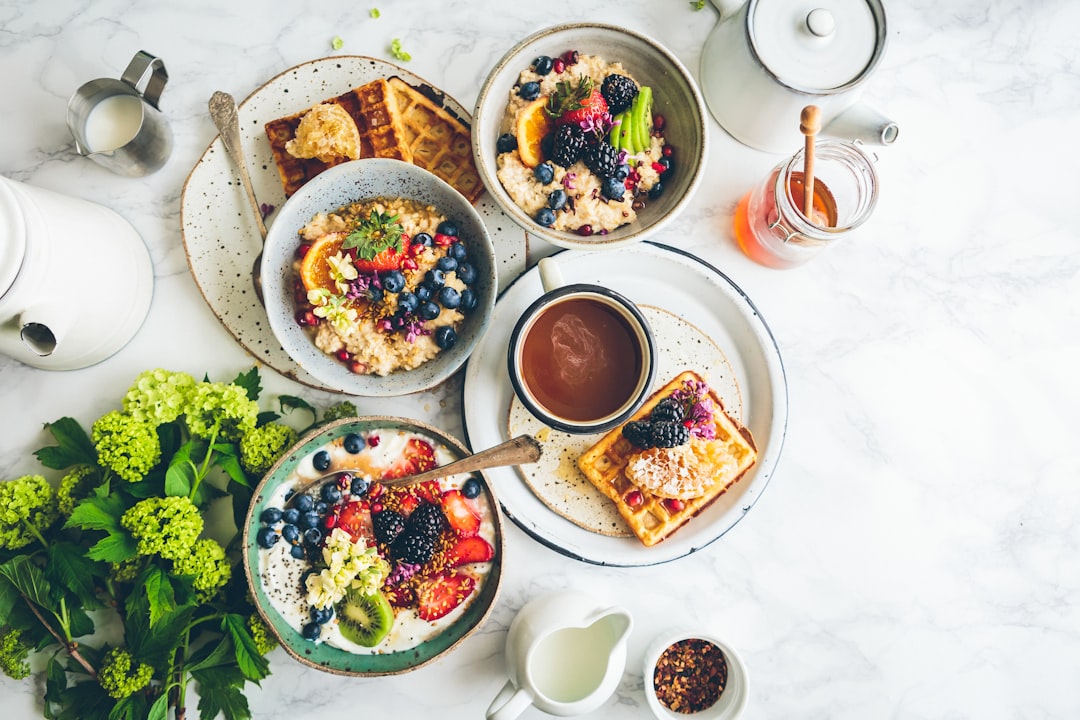
Photo by Brooke Lark on Unsplash
Three years ago, Sarah Chen had never baked a loaf of bread in her life. Today, she maintains four different sourdough starters in her Brooklyn kitchen, named after her cats, and she checks on them more frequently than she checks her phone. "It's not really about the bread," she told me over a crumb-covered kitchen table. "It's about having something alive that depends on you." Welcome to the sourdough renaissance—where fermented dough has become the unexpected religion of millennials and Gen Z professionals who've never stepped foot in a professional bakery.
The Starter That Started It All
The pandemic didn't invent sourdough obsession, but it absolutely turbo-charged it. When grocery store shelves emptied in March 2020, yeast became more valuable than toilet paper in certain circles. People couldn't find commercial yeast anywhere. But those with sourdough starters? They had an ace up their sleeves. A living culture that had been reproducing itself for decades, sometimes centuries.
What followed was the great sourdough gold rush. Google searches for "sourdough starter" increased by 2,500% in April 2020 alone. Reddit communities dedicated to sourdough exploded from niche hobbyist spaces into bustling forums with hundreds of thousands of members sharing photos of their loaves like proud parents. Etsy sellers began shipping starters across the country, with some people paying $40, $50, even $100 for cultures they believed had special properties or heritage.
One woman in Portland shipped a starter that supposedly came from the gold rush era. Another in San Francisco claimed her culture had been maintained continuously since 1888. Were they? Probably not verifiable. Did people care? Absolutely not. The mythology mattered more than the science. We wanted our bread to have a backstory.
Why Your Starter Became a Status Symbol
Here's where things get interesting. Sourdough isn't just food anymore—it's a whole personality type. Your starter's pedigree matters. Where you got it from, how long you've maintained it, and how consistently you feed it all signal something about who you are as a person. It suggests discipline. It suggests sustainability. It suggests you're the kind of person who thinks long-term, who values tradition, who isn't just scrolling through DoorDash looking for a quick fix.
Instagram has become absolutely glutted with sourdough bread photos. But not just any bread—the ones that look like they were sculpted by an artisan god. Perfect ear (that beautiful score mark that opens up during baking). Impossibly complex crumb structure. The kind of loaf that belongs in a museum. People are staging their bread shots like they're shooting for Vogue. Some accounts dedicated entirely to sourdough have accumulated millions of followers.
The economics are wild too. Artisanal bakeries using natural fermentation are now charging $8-12 for a single loaf. That's not unusual anymore. Some specialty bakeries in New York and San Francisco charge upward of $15. People pay it. They queue up before opening. Why? Because mass-produced bread became the enemy. It's loaded with additives, conditioners, preservatives. It's made in four hours instead of 24. Your grandmother didn't eat that way, and increasingly, we're being told we shouldn't either.
The Science That Makes Sense of the Obsession
The thing is, there's actually legitimate science behind why sourdough has captured our hearts and stomachs. Natural fermentation, driven by wild yeasts and lactic acid bacteria, breaks down phytic acid in the flour. That's a compound that can inhibit mineral absorption. So technically, sourdough bread is more digestible and more nutritious than bread made with commercial yeast. Your gut legitimately benefits.
The flavor complexity is real too. That tangy, almost wine-like flavor comes from lactic acid production during fermentation. The longer the fermentation (typically 18-24 hours for a proper sourdough), the more developed these flavors become. You're not imagining it when sourdough tastes fundamentally different from sandwich bread. The physics and chemistry are entirely different.
And the fermentation process itself? It's genuinely complicated. Temperature matters. Hydration matters. Fold technique matters. The ambient humidity in your kitchen matters. There are dozens of variables, and slight changes produce noticeably different results. For people who like optimizing systems and solving problems, sourdough is like a delicious puzzle you get to eat.
The Culture Wars Nobody Expected
But here's where sourdough gets complicated. The obsession has created a surprisingly intense gatekeeping community. There are serious bakers who view the casual Instagram-sourdough crowd as dilettantes. Meanwhile, home bakers who maintain starters with religious devotion sometimes view commercial yeast as a kind of culinary sin. Facebook groups dedicated to sourdough can get genuinely hostile when someone asks about using instant yeast or shortening fermentation time.
There's also the uncomfortable reality that artisanal bread culture is heavily tied to privilege. The $12 loaves are purchased by people with disposable income. The time required to maintain a starter and bake properly is a luxury not everyone can afford. The sourdough renaissance, in some ways, is a status game dressed up in sustainability language.
That said, the good aspects of this movement are genuine. People are developing skills their grandparents took for granted. They're understanding where their food comes from. There's something deeply grounding about maintaining a living culture and transforming simple ingredients into something nourishing through your own effort. Like chefs obsessing over umami, sourdough enthusiasts are pursuing something more fundamental about taste and craft.
What's Next for Sourdough?
The hyper-popularity of sourdough will likely cool off eventually. Trends always do. But the infrastructure it's created—the communities, the knowledge-sharing, the appreciation for fermented foods—that's probably sticking around. More people understand fermentation now. More people have failed at maintaining a starter and learned something from it. More people have tasted truly good bread and can never quite enjoy a supermarket loaf the same way again.
Sarah's four starters in Brooklyn might seem excessive, but to her, they're insurance policies against forgetting something important. "When everything feels chaotic," she said, "I can go to my kitchen, feed my starters, and know I'm connected to something that's been alive longer than I have. That matters."
Maybe that's what sourdough was always about. Not the bread, exactly. But the ritual. The responsibility. The knowledge that you're part of a continuous chain of people keeping something living and vital. Your grandmother's starter didn't just make good bread. It made you part of something bigger.
Comments (0)
No comments yet. Be the first to share your thoughts!
Sign in to join the conversation.