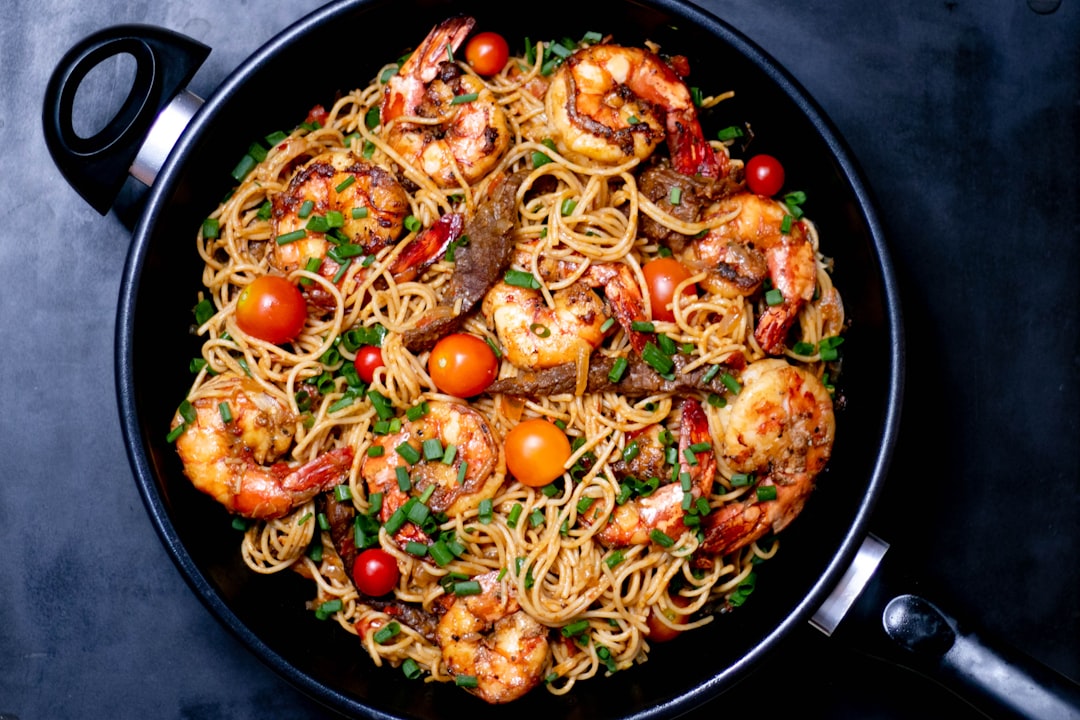
Photo by Olayinka Babalola on Unsplash
You've felt it before. That moment when you take a bite of restaurant food and think, "Why can't I make this at home?" You follow the recipe exactly. Same ingredients, same pan, same heat. Yet somehow your version tastes flat, boring, almost apologetic compared to what you paid forty dollars for last Friday night.
The answer isn't some secret technique your favorite chef is hoarding. It's probably sitting in a ceramic dish on their station right now: salt.
The Salt Paradox
Most home cooks treat salt like it's radioactive. We sprinkle it nervously, as if one extra grain will transform a beautiful dish into an inedible sodium bomb. Restaurant chefs operate under a completely different philosophy. They salt constantly, throughout the entire cooking process, building layers of flavor that home cooks simply don't achieve.
The Culinary Institute of America conducted a study comparing home-cooked versus restaurant versions of the same dishes. The restaurant versions contained approximately 25-40% more salt than their home counterparts. But here's the twist: when blind taste tests were conducted, diners couldn't actually taste the salt as salt. They described the restaurant dishes as "more flavorful," "more vibrant," and "more satisfying."
This isn't a conspiracy. It's chemistry.
How Salt Became a Flavor Amplifier
Salt doesn't just taste salty—it's a flavor multiplier. At low concentrations, salt suppresses bitterness and enhances sweetness and umami. Think about the difference between unsalted chocolate and salted caramel. The salt doesn't make the caramel taste salty; it makes the caramel taste more like caramel. It amplifies the caramel's best qualities.
When a chef salts a pot of water for pasta, they're not trying to season the noodles themselves. They're creating an osmotic environment. That salted water penetrates the pasta, seasoning it from the inside out. By the time the pasta reaches your plate, it's not underseasoned like the pasta from your pot at home. It's properly seasoned as a component, not as a finished dish.
The same principle applies to roasted vegetables, braised meats, and soup stocks. Professional kitchens salt their proteins before cooking, sometimes hours in advance. This isn't random; it's strategic. Salt breaks down muscle fibers and allows the seasoning to distribute evenly throughout the protein. When you salt your chicken breast thirty seconds before it hits the pan, you're not giving the salt time to do anything except sit on the surface.
The Timing Matters More Than the Type
This is where most home cooks get confused. They assume the problem is the kind of salt they're using. So they buy expensive Himalayan pink salt or fleur de sel, sprinkle it at the end of cooking, and still can't crack the code.
The type of salt matters, but only marginally. What matters infinitely more is when you use it and how much.
A professional kitchen operates on what food scientists call "seasoning in layers." When you're building a stock, you might salt it three times: once at the beginning, once in the middle, and once at the end. Each addition serves a purpose. The first salt begins extracting gelatin from bones. The second salt distributes throughout the developing flavor. The third salt, added at the very end, hits your palate fresh and bright.
Home cooks typically salt once, at the end, wondering why the result tastes flat. The salt is there, but it's sitting on top of everything like a visitor who just arrived rather than a guest who's been part of the party all along.
The Umami Multiplier Effect
There's another reason restaurants use more salt: umami amplification. Umami—that savory, mouth-filling sensation discovered by Japanese chemist Kikunae Ikeda in 1908—is one of our five basic tastes. Salt enhances umami perception more effectively than any other seasoning.
A perfectly seared steak contains glutamates and nucleotides that create umami. But add the right amount of salt at the right time, and that umami experience becomes transcendent. It's not that the salt is doing the work; it's that the salt is making the umami louder, clearer, and more unmistakable to your taste buds.
This is why traditional fermentation techniques, which concentrate umami naturally, have become celebrated again—they work in perfect harmony with proper salt application.
What This Means for Your Kitchen
You don't need to become a sodium-dispensing maniac. You need to change your approach to when and how you salt.
Start salting your proteins and vegetables before cooking, not after. Season your cooking liquid—pasta water, braising liquid, stock—like it matters, because it does. Taste as you cook, and keep tasting. Add salt incrementally and frequently. You'll be shocked how much more you can add before it tastes oversalted.
The restaurant advantage isn't special salt or secret ingredients. It's permission. Restaurants have permission to salt their food properly because their business model depends on customers returning. Your home kitchen deserves the same commitment to flavor.
Next time you cook, pay attention to the moment your dish shifts from "good" to "why does this suddenly taste like restaurant food?" I'd bet money on what you'll be holding in your hand.
Comments (0)
No comments yet. Be the first to share your thoughts!
Sign in to join the conversation.