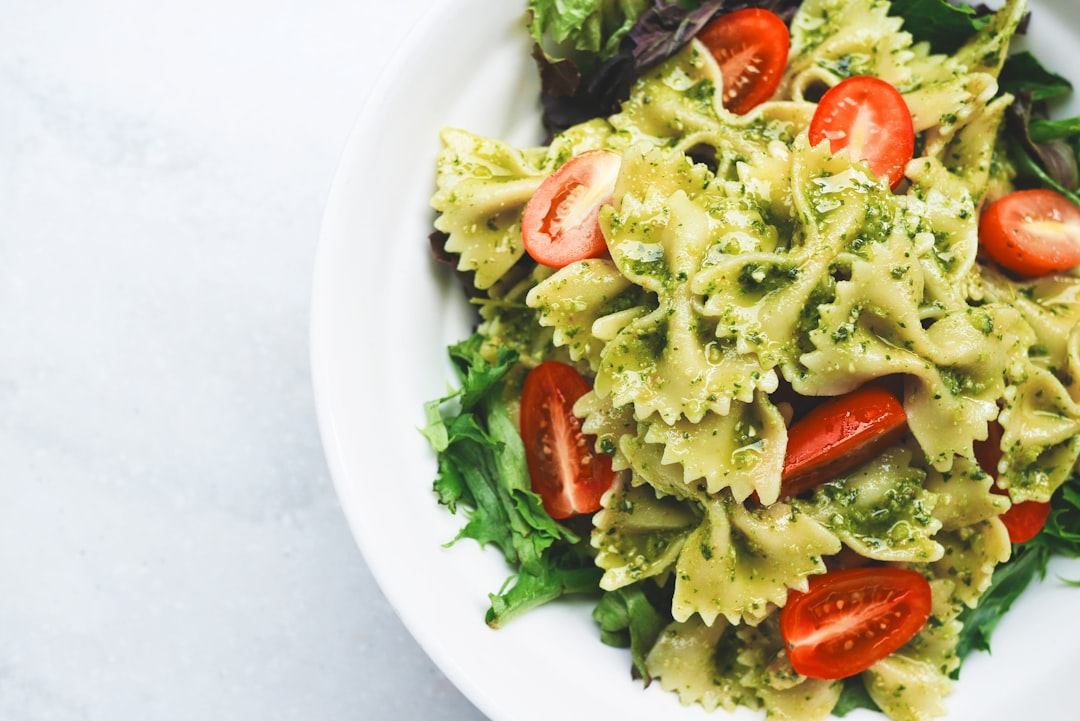
Photo by Eaters Collective on Unsplash
You've experienced it a thousand times. You order a simple pasta dish at a restaurant, take one bite, and think: "How is this so good?" Then you go home, follow the exact same recipe, and produce something that tastes like disappointment on a plate. You're not imagining things, and you're not a bad cook. You're experiencing the umami gap—and understanding it might be the single most important thing you learn about cooking this year.
What Umami Actually Is (And Why You've Never Heard of It)
Umami is the fifth basic taste, alongside sweet, salty, sour, and bitter. But unlike the others, umami snuck into culinary consciousness relatively recently in Western kitchens. A Japanese chemist named Kikunae Ikeda identified it in 1908 while studying the flavor compounds in kombu seaweed broth. He noticed a taste that wasn't quite any of the traditional four, something rich and mouth-filling that made him want another spoonful. He called it "umami," which translates to "pleasant taste" or "deliciousness."
The molecule responsible? Glutamate—specifically, free glutamates, which trigger taste receptors on your tongue and create that sensation of depth, satisfaction, and cravability. Your brain literally registers umami as a signal that you're eating something protein-rich and nutritious. When restaurants nail this flavor, they're not being fancy—they're hitting a primal button in your brain that says "this is good food, eat more of it."
Here's the kicker: most home cooks have never intentionally added umami to anything in their lives. And that's why their food tastes flat compared to what they eat out.
Where Restaurants Hide Their Secret Ingredient
Walk into any restaurant kitchen, and you'll find umami bombs scattered throughout. The head chef isn't grinding monosodium glutamate (MSG) into everything—though many restaurants do use it, contrary to decades of fearmongering. Instead, they're using naturally glutamate-rich ingredients that have been concentrated or aged in ways that amplify the umami effect.
Take Parmesan cheese. A wedge of fresh Parmigiano-Reggiano contains about 1,200 milligrams of glutamate per 100 grams. That's not an accident of nature—it's what happens when you age cheese for 24 to 36 months. The proteins break down into free amino acids, and glutamate accumulates. A restaurant chef who grates fresh Parm over a dish isn't just adding flavor; they're adding a concentrated dose of umami that your home version probably lacks because you used pre-grated cheese that's been sitting in a bag for six months.
Then there's tomato paste. Fresh tomatoes have glutamate, sure. But tomato paste—which is tomatoes reduced down to their absolute essence—has it concentrated tenfold. A teaspoon of tomato paste contributes more umami to a dish than a whole fresh tomato. Restaurants know this. They use tomato paste as a secret weapon in soups, sauces, and braises. Most home cooks use it grudgingly, or not at all.
Anchovies, miso, soy sauce, fish sauce, mushrooms, beef stock, chicken stock reduced down to a glaze, aged balsamic vinegar, worcestershire sauce—the list goes on. Every single one of these ingredients is packed with glutamate. A restaurant kitchen probably uses most of them every single day. Your pantry probably has maybe two.
The Three-Ingredient Umami Hack That Changes Everything
You don't need to overhaul your entire cooking style to bring restaurant-quality umami into your kitchen. Start with these three ingredients, and you'll notice an immediate difference in everything you cook.
First: always have good Parmigiano-Reggiano on hand, and always grate it fresh. That pre-grated stuff in the green can is coated with cellulose to keep it from clumping, and it's been sitting in a warehouse for who knows how long. Buy a wedge, wrap it properly, and grate what you need. A microplane works perfectly. Finish almost every savory dish with a small amount—pasta, soups, scrambled eggs, vegetables, grilled chicken. It's not just about cheese flavor; it's about umami depth.
Second: keep a bottle of good soy sauce in your kitchen and use it as a seasoning tool, not just a dipping sauce. A teaspoon of soy sauce in your beef stew, your soup, your tomato sauce—it shouldn't taste salty or obviously soy-flavored. It should taste like the food, but better. More itself. That's umami working.
Third: don't skip the tomato paste. If a recipe calls for one tablespoon, use it. If it doesn't call for any, consider adding a teaspoon anyway—especially to soups, braises, and rich sauces. Brown it slightly in oil or butter before adding other ingredients. This extra step concentrates the umami even further through a process called the Maillard reaction.
The Restaurant Trick You Can Steal Right Now
Here's what separates a good restaurant soup from a mediocre home version: gelatin. Not the jiggly kind in a bowl—bone gelatin, the collagen that comes from slowly simmering bones, joints, and connective tissue for hours.
When you simmer chicken bones for 12 hours, the collagen breaks down into gelatin, which is rich in glutamate. That's why restaurants' soups and broths taste silky, rich, and deeply satisfying. It's not magic. It's chemistry. You can buy high-quality bone broth from specialty stores, or better yet, make your own on a weekend and freeze it. Then use it as your base for soups, sauces, and risottos instead of water or store-bought broth.
One simple swap—bone broth instead of regular broth—and suddenly your chicken soup tastes like something a grandmother made, not something from a can.
The One Thing You Need to Avoid
Here's where most people get nervous: MSG. Monosodium glutamate is pure glutamate, extracted and crystallized. It's the active ingredient in many umami-rich foods, and it's completely safe. The "MSG scare" that started in the 1960s has been thoroughly debunked by food scientists. The FDA recognizes it as safe. Studies show no connection to headaches, asthma, or any of the other alleged symptoms.
That said, you don't need pure MSG to cook better food. If you'd rather not use it, don't. There are plenty of natural sources of umami that work just as well. But if you want to experiment, a tiny pinch of MSG in a soup or sauce will teach your palate what umami feels like, which is genuinely educational.
The real issue isn't MSG itself—it's that once you understand umami, you realize how many dishes are actually just poorly seasoned. And that's fixable. Every single time you cook, you have the power to make food that tastes like restaurant food. You just need to know where the restaurants are hiding their secret.
For more on ingredients that can make or break your cooking, check out Why Your Grocery Store's Fish Counter Is Lying to You (And How to Spot It) to ensure you're also sourcing quality ingredients from the start.
Comments (0)
No comments yet. Be the first to share your thoughts!
Sign in to join the conversation.