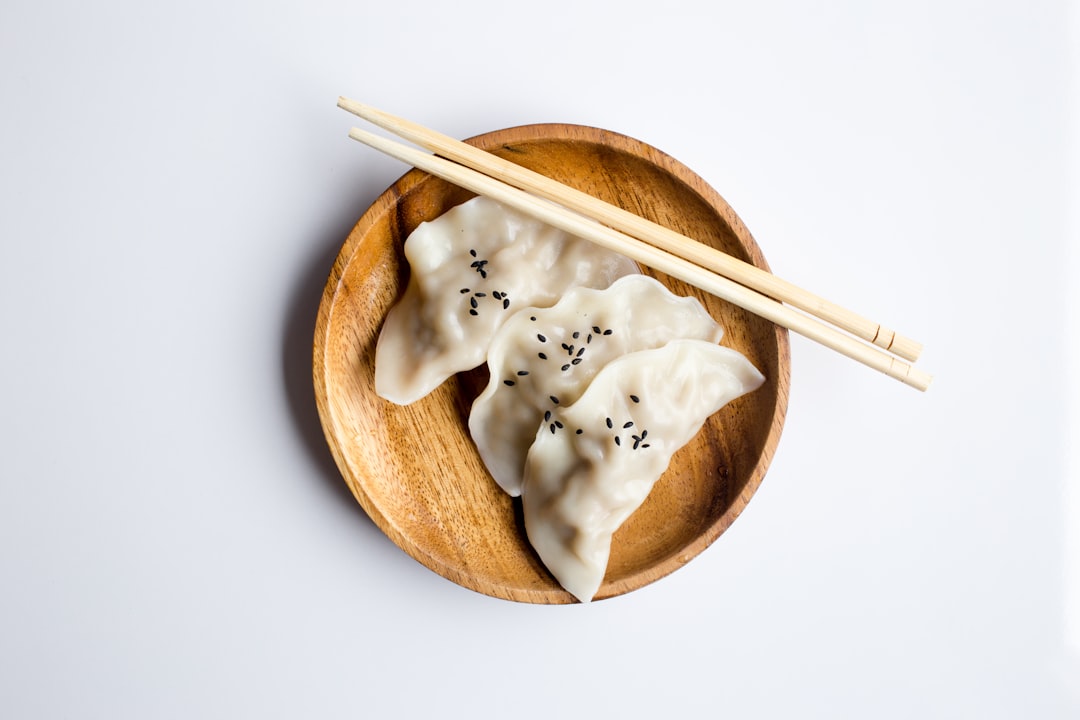
Photo by charlesdeluvio on Unsplash
My grandmother kept a ceramic crock on her kitchen counter that terrified me as a kid. It smelled like something had died in there—funky, pungent, alive. She'd peer inside, nod approvingly, and tell me it was "getting better." Years later, I realized she wasn't running an experiment in spoilage. She was a fermentation expert before the word became trendy.
Fermentation used to be necessity. Before refrigeration, it was the only way to preserve vegetables through winter, to keep fish edible during long voyages, to transform dairy into cheese that wouldn't spoil. Then industrial food production arrived, and we forgot. We traded our crocks for freezers and our patience for convenience. Now, after decades of chasing speed, something extraordinary is happening: fermentation is roaring back—not out of desperation, but because chefs and home cooks alike are discovering it's genuinely delicious.
When Science Became Flavor
The magic of fermentation is deceptively simple. You take fresh ingredients, add salt, keep them submerged in their own juices, and let microorganisms do the work. Lactobacillus bacteria consume sugars and produce lactic acid, which pickles the food from the inside out while creating complex flavor compounds that simply cannot exist in raw ingredients. It's chemistry you can taste.
Consider miso, that umami-rich paste that's been central to Japanese cooking for over a thousand years. It starts as soybeans and salt. That's it. Two ingredients sit together for months or years, and bacteria and fungi transform them into something that tastes of caramel, nuts, deep savory complexity. A single spoonful contains literally billions of microorganisms, each one contributing to flavor development. When you understand what's actually happening, calling it "just fermented beans" feels like calling the Mona Lisa "just paint."
Western chefs are finally catching up to what Asian cuisines figured out centuries ago. At Noma in Copenhagen, one of the world's most acclaimed restaurants, fermentation has become central to the menu. Chef René Redzepi's team ferments everything from vegetables to seafood to flowers. They're not doing it for preservation—they have modern refrigeration. They're doing it because fermented ingredients taste incomparably better, more interesting, more alive than their raw counterparts.
The Comeback Kitchen
Walk through the dining room of any serious restaurant in 2024, and you'll encounter fermented foods in ways that would seem bizarre a decade ago. Fermented hot sauces with complex spice profiles. Fermented fish stocks that provide depth instead of relying on heavy cream. Fermented vegetable condiments that act as flavor multipliers, turning a simple grilled fish fillet into something with layers.
Even home cooks are getting in on it. Sales of fermentation supplies and equipment have skyrocketed. Mason jars and fermentation weights are flying off shelves. Food blogs dedicated entirely to fermentation attract millions of monthly readers. There's something deeply satisfying about the process—you're not buying a finished product; you're nurturing it into existence over time.
The beauty is that fermentation requires almost no special equipment. You need salt, vegetables, a jar, and time. My first batch of sauerkraut cost about $3 in ingredients and took fifteen minutes of chopping and mixing. Two weeks later, I had a pungent, crunchy, intensely flavored condiment that makes store-bought versions taste like cardboard. Once you've experienced that, once you've tasted what real fermentation produces, there's no going back.
Health Stories (Without the Hype)
Let's address the elephant in the room: the probiotic marketing. Yes, fermented foods contain beneficial bacteria. Yes, your gut microbiome matters. But the claims around fermented foods as miracle cures for every ailment from depression to autoimmune disease are oversold. The science is genuine but still emerging.
What we do know is solid. Fermentation breaks down compounds that make foods hard to digest. It increases the bioavailability of nutrients, meaning your body can actually absorb more of the vitamins present. It creates B vitamins. The lactic acid supports digestive health. None of this requires you to believe in magic—it's just food science working as intended.
That said, the probiotic angle isn't entirely marketing noise. A 2021 review in Cell found that fermented foods do influence your microbiome, and that this influence correlates with reduced inflammation. But here's the thing: you probably don't need to optimize your microbiome through food. If you're eating fermented foods because they're delicious, which they are, the potential health benefits are just a bonus.
Starting Your Own Fermentation Journey
The barrier to entry is almost nonexistent. Pick a vegetable. Add salt at roughly 2 percent of the vegetable's weight. Pack it into a jar. Cover it with a cloth so dust can't get in but oxygen can. Leave it on the counter. Check it every few days. In about a week to three weeks, depending on temperature and your preferences, you have fermented vegetables.
The first time you crack open that jar and smell fermented cabbage or carrots or whatever you chose, you'll understand why this matters. It's not just food; it's evidence of transformation. It's proof that time and salt and patience create complexity that money can't buy.
For those curious about restaurant-level fermentation, understanding fermentation connects directly to other advanced cooking techniques. If you want to explore how fermented ingredients work in professional cooking, restaurant chefs are obsessed with umami, and fermented foods are among the most umami-rich ingredients available.
The fermentation revolution isn't about rejecting modernity or becoming a homesteading zealot. It's about reclaiming something we lost and discovering it was valuable all along. Your grandmother knew this. She was just ahead of her time.
Comments (0)
No comments yet. Be the first to share your thoughts!
Sign in to join the conversation.