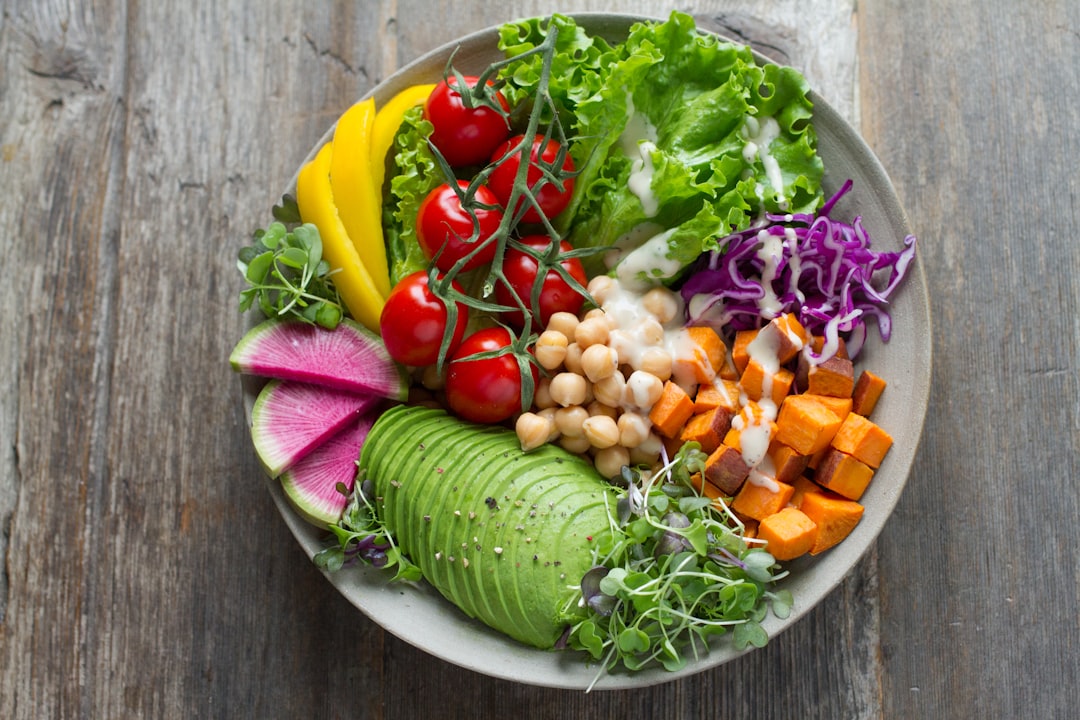
Photo by Anna Pelzer on Unsplash
Three years ago, my kitchen counter held nothing but a coffee maker and a dying succulent. Today, it hosts four glass jars filled with murky liquid, rubber bands, and cloth covers held down with rubber bands. I've become one of millions who've caught the fermentation bug—and honestly, I'm not entirely sure how it happened.
The statistics are staggering. The global fermented food market was valued at $730 billion in 2022 and is projected to grow at 7% annually through 2030. That's not just kombucha, though kombucha sales alone have grown 25% year-over-year for the past five years. We're talking about kimchi, tempeh, sauerkraut, kvass, water kefir, and about seventeen other things most of us couldn't spell correctly in 2015.
What started as an obscure wellness trend has become a genuine cultural phenomenon. Walk into any grocery store and you'll find an entire refrigerated section devoted to fermented foods that barely existed a decade ago. But the real story isn't about what's on the shelves—it's about the millions of people making this stuff at home, armed with nothing but mason jars and aggressive optimism.
When Did Fermented Become the New Kale?
The turning point came around 2015, when both the wellness industry and serious food media started paying attention simultaneously. Suddenly, we had podcasters interviewing fermentation experts, Instagram accounts dedicated entirely to jar aesthetics, and wellness influencers claiming that kombucha could basically cure anything short of existential dread.
But unlike some wellness trends, this one actually had some legitimate scientific backing. The gut health movement—driven by studies showing connections between gut bacteria and everything from immune function to mental health—gave fermented foods credibility beyond the healing crystal crowd. When you read that your gut contains roughly the same number of bacteria as you have cells in your body, and that diversity matters, suddenly fermentation starts sounding less like hipster theater and more like preventative medicine.
The pandemic accelerated everything. Stuck at home, people started experimenting. YouTube became the world's largest fermentation instructor. TikTok filled with satisfying videos of carbonated drinks fizzing at just the right speed. By 2021, searching for "how to make kombucha" on Google returned 4.2 million results.
The Reality Check: What Actually Works
Here's where I need to be honest: some of the health claims are overstated. No, your homemade kombucha won't cure diabetes. No, sauerkraut won't replace your antidepressants. But the research on fermented foods and digestive health is genuinely solid. A 2021 Stanford study found that eating fermented foods reliably increased gut microbiome diversity within just two weeks. That's not placebo territory. That's actual biology.
The simplest fermented foods work best for beginners. Sauerkraut requires literally three ingredients: cabbage, salt, and time. Salt draws water from the cabbage, creating a brine that keeps harmful bacteria out while beneficial lactobacillus colonies establish themselves. After about three weeks in a jar at room temperature, you have something with probiotics, enzymes, and a shelf life that would make a prepper weep with joy.
Kimchi is sauerkraut's spicier cousin—add gochugaru (Korean red pepper flakes), garlic, ginger, and fish sauce to the basic cabbage-and-salt formula, and you've upgraded to something far more interesting. Kombucha is trickier, requiring a living culture (the SCOBY—Symbiotic Culture of Bacteria and Yeast), temperature control, and precise timing to avoid either infections or explosions. Yes, fermentation jars have genuinely exploded. Usually because someone bottled it too early.
The Community That Forms Around Jars
What surprised me most wasn't the food itself. It was the community. I joined a Facebook group about fermentation as a joke. It now notifies me about new posts six times a day, and I've genuinely started reading them.
People share SCOBY "babies" like they're adopting rescue puppies. They troubleshoot problems with the enthusiasm of engineers debugging spacecraft. Someone recently posted a photo of their first successful batch of tempeh and got 847 congratulations. The thread became a collective celebration of microbiology.
This matters because food has become increasingly industrialized and disconnected from our actual participation. We buy fermented foods in bottles, but making them ourselves—sitting with jars for weeks, tasting progress, watching transformation happen at molecular scales we can't see—creates a different relationship with eating. It's the difference between watching someone paint and learning to paint yourself.
Why Now? Why This?
The timing makes sense when you look at broader patterns. We're simultaneously more interested in health optimization and more skeptical of corporations. More interested in sustainability and more anxious about food systems. Fermentation hits all of these pressure points at once. It's healthy, it's accessible, it's cheap, it works with whatever vegetables you have, and it creates almost no waste.
There's also something deeply satisfying about having a process you understand completely. In an era where most of our food comes through supply chains we'll never fully comprehend, fermentation is transparent. You can watch it happen. You control every variable.
If you're curious about starting but intimidated by the technical side, The Sourdough Reckoning: Why Your Grandmother's Starter Is Worth More Than Your Cryptocurrency explores how traditional fermentation practices have been passed down and valued through generations—a perspective that puts our current fermentation boom into deeper context.
My kitchen counter's murky jars might look like chaos to some. To me, they're jars full of potential—billions of tiny organisms turning simple ingredients into something more interesting, more digestible, more alive. And that, it turns out, is worth the cabinet space.
Comments (0)
No comments yet. Be the first to share your thoughts!
Sign in to join the conversation.