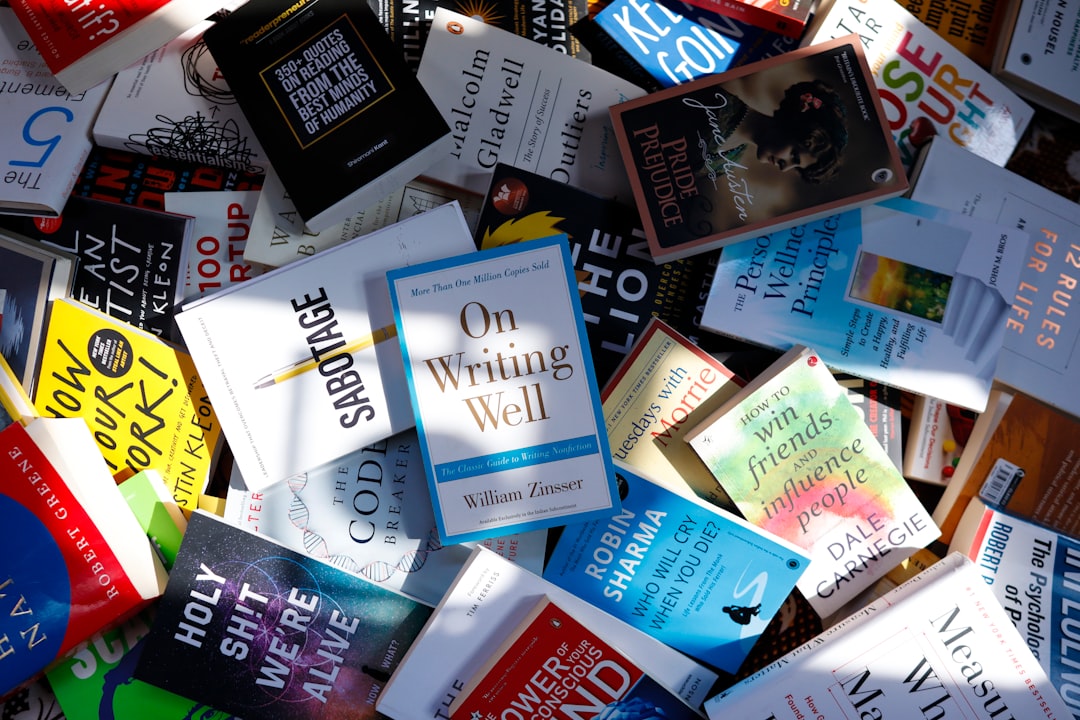
Photo by Shiromani Kant on Unsplash
There's a moment in most readers' lives when they realize they hate perfect characters. You know the type: morally unblemished, impossibly clever, always knowing exactly what to say. They save the day without breaking a sweat or questioning themselves. And they're unbearably boring.
The fiction world has caught on. A seismic shift has happened over the past decade, one that doesn't make headlines but absolutely shapes what gets published, what readers buy, and what becomes a cultural phenomenon. Authors have stopped apologizing for their messy protagonists. Instead, they're centering entire narratives around them—specifically around those magical moments when flawed, broken, or morally questionable people get a chance to become something different.
This isn't just a trend. It's a fundamental change in what stories matter.
From Saints to Sinners: The Death of the Flawless Hero
Traditional fiction loved heroes. We're talking about the classics—the brave knights, the selfless mothers, the incorruptible detectives who never wavered from their principles. Literature celebrated virtue. If you wanted to be a protagonist, you needed a moral compass that never spun.
Then Sally Rooney's "Normal People" became a phenomenon. The characters? Deeply selfish at times. Emotionally unavailable. Capable of real cruelty. And somehow, millions of readers couldn't put the book down. Publishers took notice.
Around the same time, Colleen Hoover's "It Ends with Us" showed that readers were hungry for complicated women making terrible choices—and learning from them. The protagonist Lily stays in a relationship she knows is toxic. She makes mistakes that have consequences. She doesn't have all the answers. The book has sold over 20 million copies worldwide.
What both authors understood—what successful contemporary fiction now demands—is that flaws aren't obstacles to overcome before a story begins. They're the entire point. A character who's already perfected? Already learned every lesson? Already made peace with their past? That's not a story waiting to be told. That's a character who already lived their narrative somewhere offstage.
But a character haunted by their own failures, scrambling toward redemption, or simply trying to be less awful than they were last year? That's someone we actually want to follow for 300 pages.
The Second-Chance Moment: Where the Real Story Lives
The second chance is the heartbeat of contemporary fiction. It's the catalyst that separates a static character from a dynamic one. Here's what I mean: the second chance is that specific instant when a character has no reason to believe they deserve another shot, yet somehow they get one anyway.
Consider Táo in Ocean Vuong's "On Earth We're Briefly Gorgeous." A boy from a traumatized family, shaped by poverty and violence and his mother's unresolved pain. He doesn't start from a position of advantage. He starts from a position of survival. But then—through love, through literature, through small moments of kindness from people who've been broken too—he gets the chance to imagine a different future. That's the second chance. Not a miraculous transformation, but the possibility of one.
The second chance works differently depending on the genre. In crime fiction, think of "The Lincoln Lawyer" series, where Mickey Haller works in moral gray zones, making questionable choices for clients, then confronting himself and what those choices mean. He's not being reformed by some external force. He's fighting with himself.
In domestic fiction, the second chance often looks like this: a woman realizes she's accepted less than she deserves, or made choices she can't defend, and gets the moment to actually change course. In literary fiction, it might be quieter—just a character noticing, really noticing, that they've become someone they don't recognize, and asking themselves if they can still be different.
What matters is the authenticity of the struggle. Readers can smell fake redemption from a mile away. But real second chances, the complicated kind where people backslide and question themselves and sometimes fail anyway? Those are the stories that haunt us.
Why Readers Actually Want This
Here's the uncomfortable truth: we recognize ourselves in these characters far more than we do in heroes. Most of us have made choices we regret. Most of us have been less than we wanted to be. Most of us have hurt people we didn't mean to hurt. Most of us have failed at things that mattered.
When we read a story about someone getting a second chance, we're not reading about someone else. We're reading about ourselves in parallel. We're asking: could I change? Could I be forgiven? Could I forgive myself?
There's also something pragmatic happening. Readers are exhausted by perfection in real life. Social media demands it. Employers expect it. The news cycle glorifies it. When we open a book, we're looking for permission to be human—to be incomplete, uncertain, capable of both kindness and selfishness, sometimes in the same day.
The second-chance narrative offers exactly that permission.
The Craft Behind Making It Work
Writing a flawed character who earns reader sympathy isn't easy. The line between "compelling fallibility" and "insufferable protagonist" is razor-thin. What separates them?
First: self-awareness. The character needs to understand, on some level, that they're flawed. They don't need to articulate it perfectly—interior monologue can be unreliable—but the reader should sense that the character knows something is wrong. That's what opens the door to a second chance.
Second: consequences. If a character behaves badly and faces no real repercussions, readers lose interest. But if every action has weight, if mistakes actually cost something, then the character's struggle becomes real. Read The Unreliable Narrator's Comeback: Why Writers Are Obsessed with Liars Again to understand how this principle extends to narrators who actively deceive us.
Third: small moments of grace. A second chance doesn't announce itself with trumpets. It arrives quietly—a text message, a conversation overheard, a memory that shifts perspective. The best second-chance narratives are built on these tiny pivots.
What Comes Next
The second-chance narrative isn't fading. If anything, it's deepening. Readers want stories about characters trying to be better, failing, and trying again. They want complicated redemptions that don't resolve neatly. They want to see themselves in fiction—not the best versions of themselves, but the real versions.
The hero's age may finally be over. But the age of the second chance? That's just getting started.
Comments (0)
No comments yet. Be the first to share your thoughts!
Sign in to join the conversation.