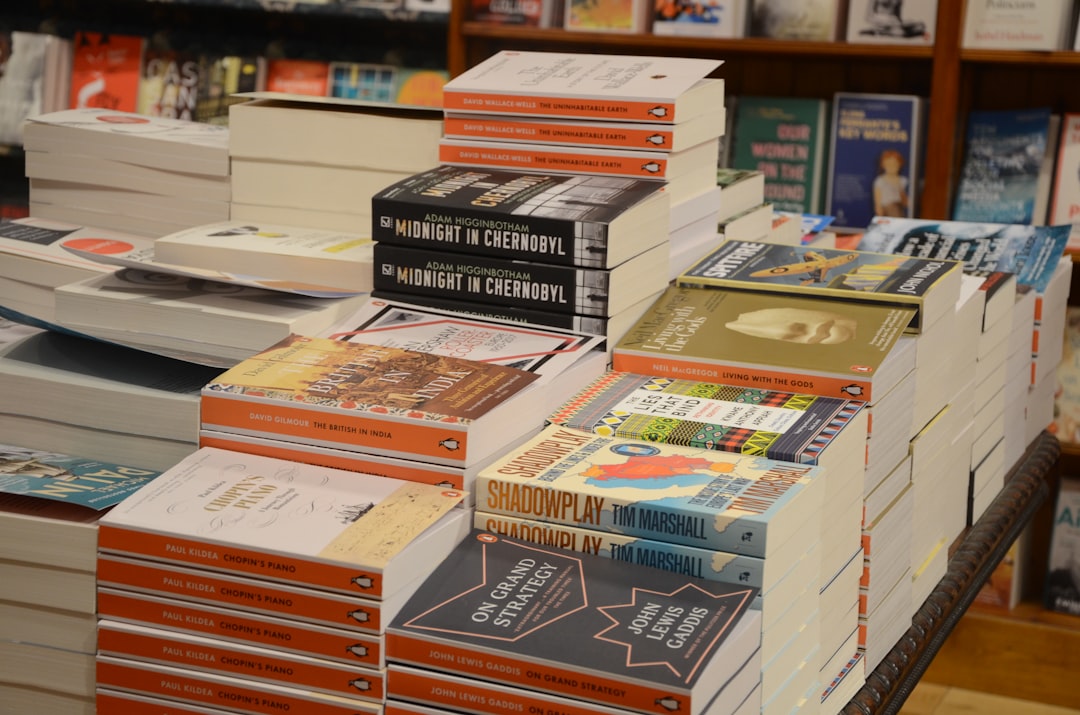
Photo by Geilan Malet-Bates on Unsplash
Something shifted in fiction around 2015. Readers stopped trusting their storytellers, and writers noticed. Now, nearly a decade later, the unreliable narrator isn't just a literary device—it's become the default setting for a certain breed of ambitious fiction. Walk into any bookstore and you'll find shelves groaning under the weight of novels told by liars, con artists, amnesiacs, and the deliberately delusional. The trend has become so pervasive that a novel with a straightforward, honest narrator almost feels radical by comparison.
But this isn't new. Unreliable narrators have existed since at least the 1950s, when Vladimir Nabokov published Lolita. What's changed is the sheer prevalence of the device and the sophisticated ways contemporary writers wield it. We're no longer just seeing narrators who occasionally lie about plot points. Now we get narrators who reconstruct entire realities, who can't trust their own memories, who manipulate readers with the precision of magicians.
The DNA of Deception
An unreliable narrator is essentially a broken contract between writer and reader. Readers agree to suspend disbelief and trust the voice guiding them through a story. A narrator who violates that trust—whether through outright lies, selective memory, or distorted perspective—creates cognitive dissonance that can either frustrate readers or fascinate them. When done well, that tension becomes the actual story.
Consider Gillian Flynn's Gone Girl, published in 2012. The novel doesn't introduce its unreliable narrator as some clever twist. Instead, it splits the narrative between two perspectives, and over the course of 400 pages, one of them progressively reveals themselves to be a murderer masking their actions with false victimhood. Readers weren't prepared for this kind of structural dishonesty in a mainstream thriller, and the book became a phenomenon. It sold over 20 million copies, and suddenly publishers were hunting for the next domestic noir with a narrator readers couldn't trust.
Since then, the device has metastasized across genres. Psychological thrillers embraced it wholesale. Literary fiction adopted it for philosophical reasons. Even young adult fiction started experimenting with narrators whose unreliability comments on the unreliability of memory itself.
Why Liars Make Better Storytellers Right Now
There's something about our current moment that makes unreliable narrators feel essential rather than gimmicky. We live in an era where misinformation spreads faster than truth, where deepfakes and AI can manufacture convincing false realities, where institutions we once trusted seem compromised. The Second-Act Collapse article explores how novels struggle with structure, but unreliable narrators have actually solved one version of this problem—they give writers built-in reasons for plot twists and revelations.
The unreliable narrator also appeals to writers trying to capture something true about human experience. None of us are entirely reliable. We all remember our embarrassing moments differently than they happened. We rationalize our own behavior while judging others harshly. We construct narratives about our lives that make us the hero rather than the villain. In a way, using an unreliable narrator isn't about deception—it's about honesty. It's about acknowledging that everyone lies to themselves.
Consider what happens when you read a novel from the perspective of a character with depression or PTSD. Their narration might be fragmented, repetitive, or inaccurate. That unreliability isn't a trick—it's a representation of what their consciousness actually feels like. This is closer to literary realism than traditional third-person omniscience, which is arguably its own type of fabrication.
The Risk of Exhaustion
Of course, there's a danger to any technique that becomes fashionable. When too many writers reach for the same tool, it stops feeling fresh. Readers are getting smarter about recognizing the setup. The twist reveal where we find out the narrator has been unreliable feels predictable now. Some of the most recent unreliable narrator novels have been criticized for feeling like they're checking boxes—introducing doubt for its own sake rather than to serve a deeper story.
There's also the question of reader patience. An unreliable narrator asks readers to invest emotional energy into solving a puzzle they're not even aware they're solving. Not everyone wants that from their fiction. Some readers just want to know what happens. Others find the constant second-guessing exhausting rather than exhilarating.
And then there are the failed attempts. An unreliable narrator only works if readers are sufficiently engaged with the narrator themselves. If you don't care about the character, their lies feel like betrayal rather than intrigue. A poorly executed unreliable narrator can make a novel feel like a waste of time—all those hours spent with someone you didn't trust, only to discover the unreliability was the only interesting thing about them.
The Future of Fictional Dishonesty
So what happens next? The unreliable narrator isn't going anywhere, but it's probably going to evolve. Writers are already experimenting with narrators whose unreliability operates on multiple levels—stories where even the reader's understanding of the unreliability is called into question. Some are combining the device with experimental narrative structures, where form itself becomes unreliable.
The best contemporary unreliable narrators aren't unreliable for shock value. They're unreliable because their perspective reveals something essential about the human condition, about how we survive impossible situations, about how stories we tell ourselves keep us sane or drive us mad.
The trend that started around 2015 has matured into something more sophisticated. We're not just reading novels about liars anymore. We're reading novels that ask fundamental questions about whether truth matters more than perspective, whether accuracy is possible, and what it means to trust anyone—including ourselves.
That's something worth lying about.
Comments (0)
No comments yet. Be the first to share your thoughts!
Sign in to join the conversation.