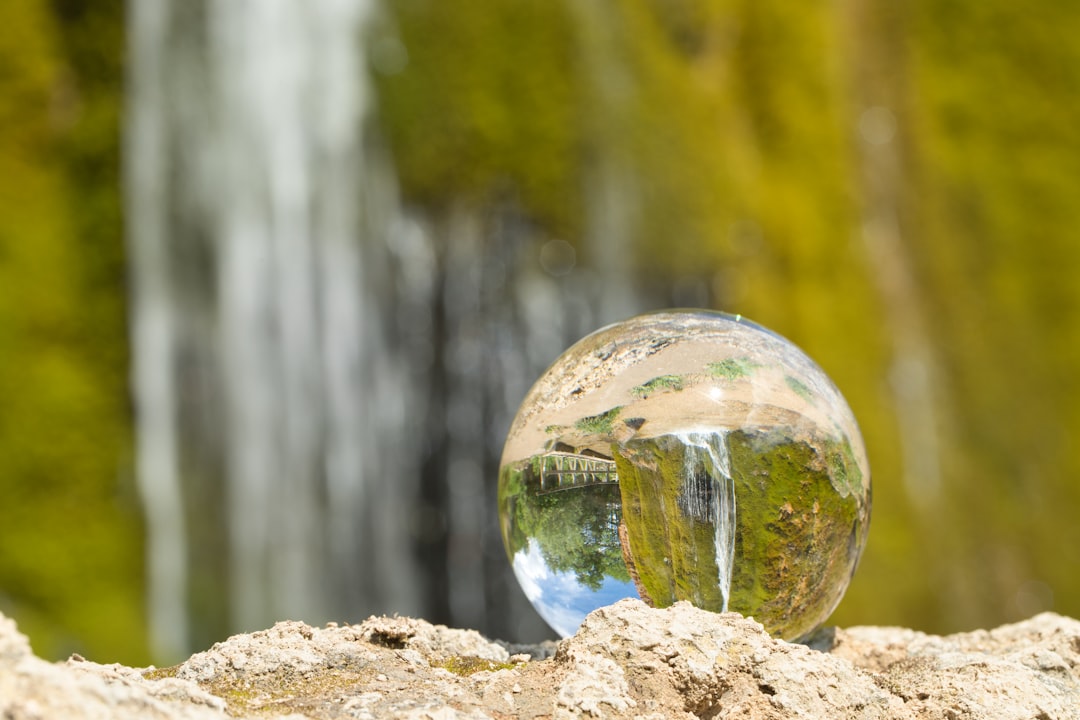
Photo by Marc Schulte on Unsplash
Last summer, a photographer named Marcus Chen waded into the Raritan River in New Jersey with a simple mission: document what he could find. Within three hours, he'd collected 247 pieces of plastic. Some were obvious—a tangled shopping bag, a crushed soda bottle, shredded straws. Others were invisible to the casual observer: microplastics no bigger than a grain of rice, fragments of fishing line, pellets used in industrial manufacturing.
The Raritan isn't unique. It's just one of thousands of rivers worldwide that have become inadvertent conveyor belts for human garbage. And unlike oceans—which get media attention, celebrity endorsements, and documentary crews—rivers operate mostly out of sight, out of mind.
The Silent Crisis Flowing Downstream
Here's what makes this worse than most environmental problems: rivers don't stay put. Whatever enters them moves relentlessly toward the ocean, toward estuaries where fish breed, toward watersheds where millions of people drink. The Yangtze River in China, the Ganges in India, the Thames in London—these aren't remote ecological zones. They're urban arteries.
A 2018 study published in Science discovered something grim: just ten rivers are responsible for roughly 90 percent of all plastic reaching the ocean. The Yangtze tops the list, followed by the Indus, Yellow River, Hai River, and Nile. That concentration sounds contained, almost manageable. It's not. The Yangtze alone discharges an estimated 330,000 tons of plastic annually into the East China Sea.
But the story doesn't begin at major rivers. It begins in smaller tributaries, neighborhood streams, and storm drains. A cigarette butt dropped on a Manhattan sidewalk becomes a street runoff becomes a tributary becomes the Hudson River becomes the Atlantic Ocean. The journey takes months, sometimes years, but it's inevitable.
Why Rivers Are the Perfect Dumping Ground
Rivers accept whatever we offer them. Unlike landfills, which have boundaries and oversight, or oceans, which at least inspire some moral qualms, rivers are treated like free garbage disposals. In developing nations, this is partly infrastructure—many cities lack proper waste management systems. But in wealthy countries? It's apathy.
Consider the story of the North Fork of the Catawba River, which winds through North Carolina. Local nonprofit organizations report that after heavy rains, the river becomes visibly littered with discarded masks, takeout containers, and plastic bags within hours. Not because there's a waste processing plant upstream. Because people throw trash in.
Storm drain systems complicate this further. Many cities, including large ones in the United States, use combined sewer systems designed more than a century ago. When it rains hard, these systems overflow directly into rivers rather than treatment plants. That means every rainstorm in these cities becomes a flushing event—millions of gallons of untreated stormwater carrying everything from brake dust to candy wrappers straight into waterways.
The Invisible Damage We're Only Beginning to Understand
Fish don't distinguish between plankton and microplastics. So they eat both. Researchers have found plastic particles in the stomachs of river fish everywhere they've looked—Brazilian piranhas, European trout, Chinese carp. These aren't fish destined for wild populations; many are destined for dinner plates.
The toxins are the real concern. Plastic breaks down into smaller pieces in water, absorbing pollutants like heavy metals and industrial chemicals. When fish consume these particles, the toxins accumulate in their tissues. Scientists call this bioaccumulation. It's the reason you shouldn't eat too much swordfish. It's also why communities that rely on river fish for primary nutrition—particularly in Southeast Asia and Africa—face serious health risks most of us never consider.
There's also the barrier effect. Plastic debris tangles around vegetation, clogs intake pipes for water treatment facilities, and interferes with the complex movements of migratory fish. Some species, like Atlantic salmon, are already critically endangered. Adding physical barriers to their spawning migrations makes recovery even harder.
What Actually Works (And What Doesn't)
You've probably heard about river cleanup initiatives. They're admirable, often run by dedicated volunteers, and mostly ineffective at scale. The Mekong River Cleanup Project removes tons of plastic annually. It's important work. But the Mekong receives an estimated 41,000 tons of plastic waste yearly. The cleanup removes roughly one percent of the problem.
This isn't cynicism. It's mathematics. Cleanup is triage when we need prevention. The only approaches showing real promise are systemic: better waste management infrastructure in developing countries, redesigned storm systems in older cities, and—this is crucial—reducing plastic production itself.
Indonesia, despite having limited resources, has implemented community collection programs that incentivize river cleanup by paying residents per kilogram of plastic collected. It's not perfect, but it addresses the economic reality: in places where people struggle to eat, environmental protection needs to provide immediate value.
Speaking of systems, understanding how natural systems themselves interact is crucial. The Mycorrhizal Network: How Fungi Are Rewiring the Forest Internet Beneath Our Feet shows us that environmental problems and solutions are interconnected in ways we're only beginning to understand.
Your River Probably Needs You
You don't need to organize a major cleanup or revolutionize municipal policy, though those things help. Start smaller. Find your local river. Visit it. Notice what's actually there. Take a photo. Ask your city council why storm drains lead directly to it. Support organizations working on upstream solutions—better recycling infrastructure, extended producer responsibility laws that make manufacturers accountable for their packaging's end-of-life fate.
Marcus Chen, the photographer I mentioned at the start? He's returned to the Raritan dozens of times since that first collection. Not to remove more plastic—he knows that's insufficient. But to document the river's actual state, to make the invisible visible. His photos have been used in municipal planning discussions about upgrading stormwater systems.
That's the real work. Not the cleanup, though it matters. But the insistence that rivers deserve better than to be treated as waste distribution networks. They deserve to be seen, understood, and protected. The same way we'd protect something we actually loved.
Comments (0)
No comments yet. Be the first to share your thoughts!
Sign in to join the conversation.