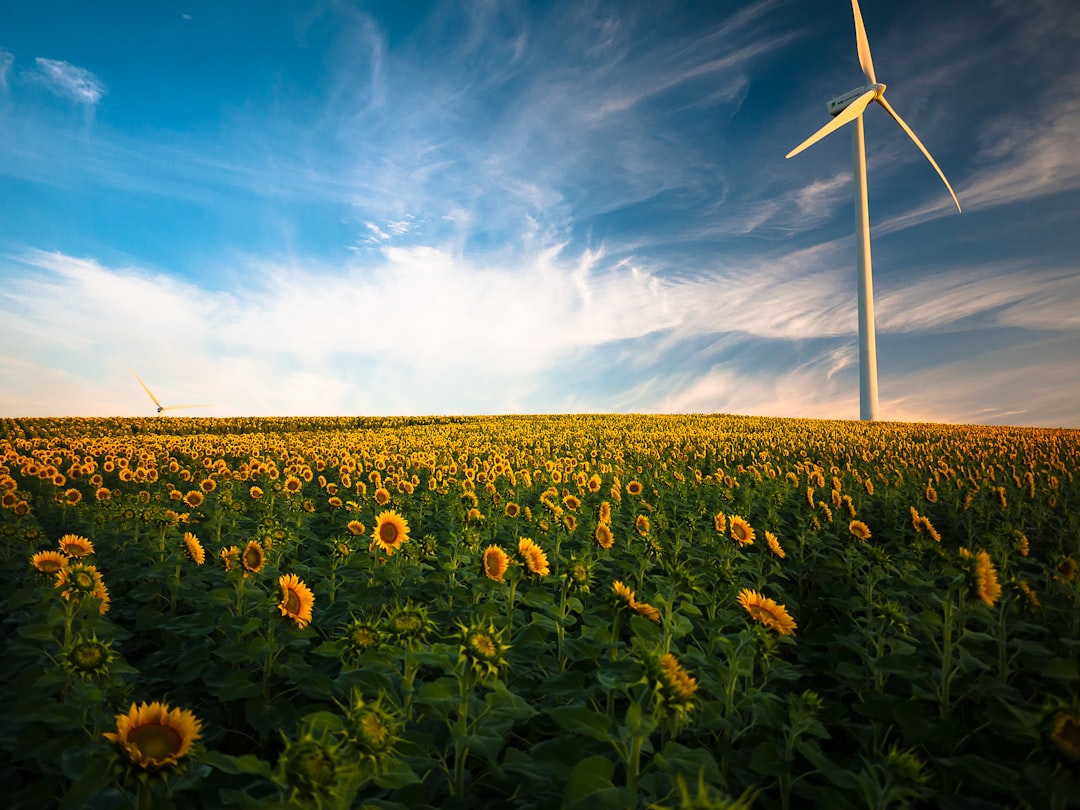
Photo by Gustavo Quepóns on Unsplash
Sarah bought seventeen plants during the pandemic. She arranged them carefully across her Brooklyn apartment—a pothos trailing from the bookshelf, snake plants flanking the window, a monstera deliciosa commanding the corner. She posted photos on Instagram. Her friends asked for propagation tips. She felt like she was doing something good for the planet.
She wasn't alone. The global houseplant market exploded from $1.7 billion in 2019 to an estimated $2.7 billion by 2023. Plant-related hashtags rack up billions of views. Major retailers cleared shelves faster than suppliers could restock. The narrative is seductive: bring nature inside, improve your air quality, reduce your carbon footprint. Feel like an environmentalist without actually changing anything.
Here's the problem. That feeling is doing more harm than good.
The Marketing Mirage: How Plants Became the Ultimate Greenwash
The indoor plant craze feeds directly into what environmental psychologists call "moral licensing." It's a documented phenomenon where people perform one small, visible good deed and then unconsciously grant themselves permission to continue harmful behaviors. Buy a plant, feel virtuous, order takeout in single-use containers guilt-free.
The plant industry has weaponized this psychology brilliantly. Companies like The Sill and Bloomscape marketed plant ownership as a form of activism. Home improvement chains positioned them as simple fixes for air quality problems. Even NASA research got weaponized—that old claim about plants removing formaldehyde from your home? Scientists have spent years clarifying that you'd need roughly 1,000 plants per room to make any meaningful difference, but the myth persists.
Meanwhile, nobody talks about the carbon footprint of shipping tropical plants across oceans. Nobody mentions the pesticides used in commercial nurseries. Nobody calculates the water consumption of maintaining these plants in air-conditioned apartments while aquifers deplete.
A single monstera deliciosa might represent 2-3 kilograms of CO2 emissions from production and shipping. Sarah's seventeen plants? That's roughly 35-50 kilograms of carbon, before considering water usage or the environmental cost of the ceramic pots themselves.
What Houseplants Actually Do (Spoiler: It's Not Much)
Let's be honest about indoor plant capabilities. Yes, plants photosynthesize. Yes, they produce oxygen and absorb CO2. But in the quantities available in a typical apartment? The impact is negligible.
Consider the math. A mature monstera produces about 5 milliliters of oxygen per hour in ideal conditions. The average adult requires about 550 liters of oxygen daily. You'd need over 65,000 monsteras running 24/7 to meet one person's oxygen needs. Most people have somewhere between 5 and 20.
Air quality benefits are similarly underwhelming. While plants do remove some volatile organic compounds from indoor air, the reduction is so minimal that you'd accomplish more by opening a window for five minutes. A 2019 study from Drexel University found that plants would need to cover 10% of wall surface area to make measurable improvements—something physically impossible in most homes.
But here's what really matters: this isn't actually the conversation we should be having.
The Real Environmental Crisis Needs Real Attention
While millions of people fussed over variegated leaf colors, atmospheric CO2 concentrations hit 421 parts per million in 2023—the highest in 3 million years. Ocean acidification accelerated. Coral bleaching events became routine. And yes, dead zones in our oceans are expanding faster than we thought.
These problems don't have Instagram-friendly solutions. They require systemic changes: decarbonizing power grids, transforming agriculture, fundamentally restructuring how we manufacture and consume goods. They demand policy changes, corporate accountability, and investment in renewable infrastructure.
They don't feel good the way nurturing a plant feels good.
The tragedy is that this psychological need to feel like we're "doing something" gets redirected into performative environmentalism. We buy reusable straws that we never use. We select paper bags while funding corporations with catastrophic carbon footprints. We arrange plants on shelves and tell ourselves we're part of the solution.
What Matters More Than Your Plant Collection
If you already have houseplants and love them, keep them. There's genuine value in connecting with living things, reducing stress, and creating beauty in your space. Those benefits are real, just not environmental.
But let's be clear about what actually matters for the planet:
Your voting patterns. The politicians you support determine energy policy, environmental regulations, and climate action funding. This matters infinitely more than plant ownership.
Your consumption habits. Every purchase carries an environmental cost that your houseplants cannot offset. Fast fashion, electronics, meat consumption—these are where real choices exist.
Your advocacy. Speaking up about environmental issues, supporting organizations working on systemic change, pushing your employer or school or community toward better practices. This scales in ways that plants never can.
Your energy use. How you heat and cool your home, what you eat, how you transport yourself—these numbers dwarf any impact from plants by orders of magnitude.
The houseplant trend revealed something uncomfortable about modern environmentalism: we want to feel like we're saving the world without sacrificing comfort or convenience. We want solutions that fit on our Instagram feed and don't require difficult decisions.
The Plant Question Worth Asking
Sarah still tends her seventeen plants. She waters them, rotates them toward light, celebrates new growth. It's a good hobby. It's brought her joy and connection to something living.
But she stopped believing it makes her an environmentalist. She stopped posting photos with climate-action hashtags. Instead, she redirected that energy toward actual environmental work—researching her local representatives' voting records, reducing meat consumption, supporting carbon pricing policies.
The plants are still there. They just aren't the main character anymore.
If you own houseplants, ask yourself honestly: am I maintaining these because I genuinely enjoy them, or because I need to feel like I'm doing something? If it's the former, wonderful. If it's the latter, consider redirecting that environmental impulse toward problems where your actions actually create measurable change.
The planet doesn't need more plants in apartments. It needs different choices in boardrooms. Different policies in legislatures. Different priorities in economies. These don't come with aesthetic Instagram value or that warm fuzzy feeling of tending something living.
But they're what actually matters.
Comments (0)
No comments yet. Be the first to share your thoughts!
Sign in to join the conversation.