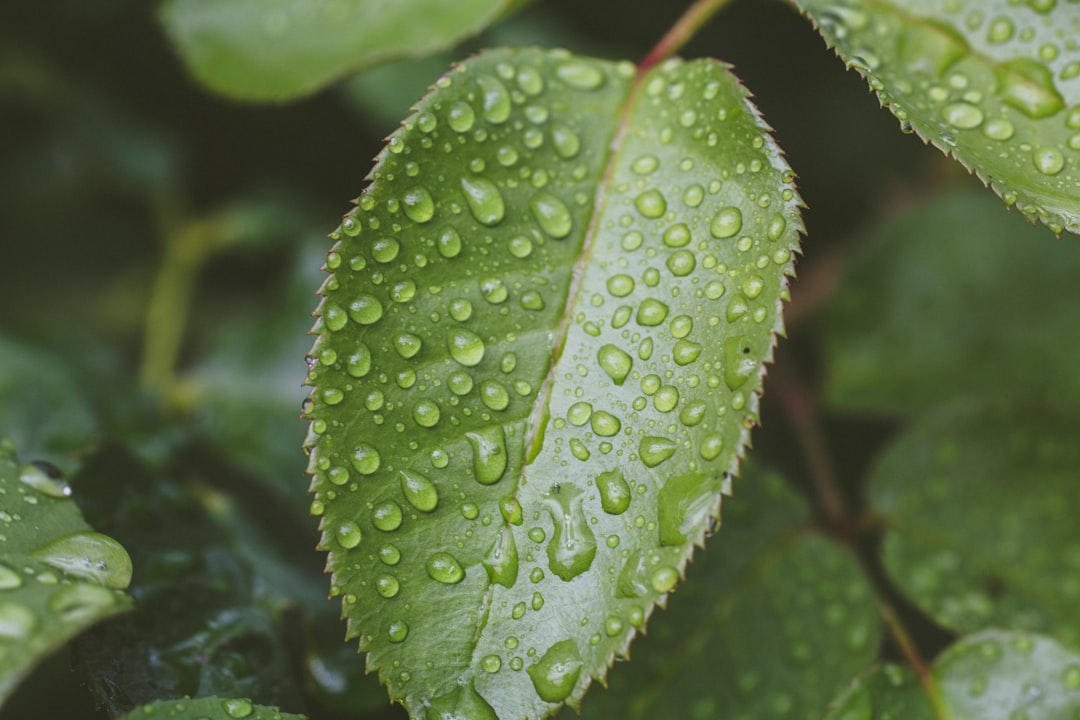
Photo by Markus Spiske on Unsplash
Sarah bought her fiddle leaf fig on a Tuesday afternoon, the kind of impulse purchase that happens when you're feeling like your apartment needs more life. Three years later, she learned something unsettling: that beautiful plant had spent those years quietly absorbing thousands of microscopic plastic particles from its soil. She wasn't alone in this discovery. Researchers at China's Nanjing University recently found that houseplants can accumulate microplastics at concentrations up to 193 times higher than the surrounding soil they're planted in.
The Hidden Problem in Your Potting Mix
When you tear open a bag of potting soil at your local garden center, you're not just getting organic matter and nutrients. You're getting microplastics—tiny fragments of degraded plastic that have contaminated nearly every corner of our environment. These particles come from multiple sources: degraded plastic bags used in manufacturing, plastic mulch that breaks down over time, and plastic-coated fertilizer granules.
The real shock came when researchers analyzed commercial potting soils from major brands. Most contained microplastic concentrations ranging from 600 to 2,400 microplastic particles per kilogram. That's equivalent to drinking water from a plastic bottle while simultaneously swallowing invisible shards of its container. Plants don't discriminate—they absorb what's available in their root zone, moving these particles from soil into their tissues through normal uptake mechanisms.
What makes this particularly troubling is that potting soil manufacturers have largely unregulated material sourcing practices. Unlike food production, there's no mandatory testing for microplastic content before these products hit shelves. A garden center manager in Portland told me she'd never even heard of microplastics in potting soil until a customer brought in a research paper about it. Most people buying these products have zero awareness they're introducing persistent pollutants into their homes.
How Plants Become Microplastic Vectors
Here's where it gets complicated. Plants don't just passively accumulate microplastics like a sponge. They actively transport these particles through their vascular systems. Roots absorb water along with dissolved nutrients and suspended particles. Smaller microplastics (under 100 micrometers) can actually penetrate plant tissues and move upward through the xylem, the plant's water-conducting vessels.
Research published in 2023 documented microplastics in lettuce, spinach, wheat, and corn grown in contaminated soil. Scientists even found plastic particles in the edible portions of vegetables. If you're eating salad grown in standard garden soil, you might be consuming microplastics with every bite—whether those plants are from your backyard or a commercial farm. The implications extend beyond aesthetics or contaminated houseplants. This represents a fundamental disruption to food chains and human consumption patterns.
Your indoor plants won't poison you directly, but they become part of a larger cycle. Dead leaves that drop into compost, plant material that decomposes in gardens, even organic waste from houseplants—all of it eventually releases those trapped microplastics back into soil systems where new plants absorb them. It's a cycle that gets worse with each generation.
What You Can Actually Do Right Now
The panic-inducing part is that microplastics are now unavoidable. The calm-down part is that you have practical options. Start by switching to microplastic-free potting mixes. Several brands have begun certifying their products as plastic-free, using only peat, coconut coir, compost, and perlite sourced from legitimate suppliers. CANNA and Fox Farm offer options, though they cost slightly more than conventional mixes.
Make your own potting soil. Seriously. Combine equal parts coconut coir (renewable alternative to peat), finished compost from a local source you trust, and perlite. This gives you complete control over materials and costs roughly half the price of premium commercial brands. Add worm castings for nutrients. Your plants will thrive, and you'll know exactly what they're growing in.
For existing houseplants, don't panic. You don't need to repot everything tomorrow. When you do repot—and plants typically need this every 12-18 months—use clean, microplastic-free soil. Your plant's existing tissue won't suddenly become dangerous; the real benefit comes from preventing further accumulation.
Support research and policy changes. This sounds abstract until you realize that the microplastics problem extends far beyond houseplants. Contamination in potting soil mirrors broader environmental issues; if you want to understand the full scope of how synthetic materials permeate our living systems, check out our piece on microplastics in your bloodstream from synthetic clothing. Contact garden supply companies and ask them to test and certify their products. Vote with your wallet by choosing responsible suppliers.
The Bigger Picture Nobody's Talking About
Here's what frustrates environmental researchers about the microplastics-in-potting-soil story: it's solved. We know what causes it. We have manufacturing alternatives. Yet it persists because there's no legal requirement to fix it. Potting soil companies continue using plastic-contaminated materials because it's cheaper and nobody's forcing them to stop.
Your houseplants became microplastic repositories not because of mysterious forces or unavoidable fate. They became contaminated because an industry chose profit margins over environmental responsibility, and consumers never got the chance to make informed decisions. The moment you become aware of this, you can change your choices. That matters more than you might think.
Start small. Buy better soil for your next plant. Compost your kitchen scraps into clean growing medium. Share this information with other plant parents. Individual actions accumulate. Industries only change when enough consumers demand something different. Your fiddle leaf fig might already be full of microplastics, but the next one doesn't have to be.
Comments (0)
No comments yet. Be the first to share your thoughts!
Sign in to join the conversation.