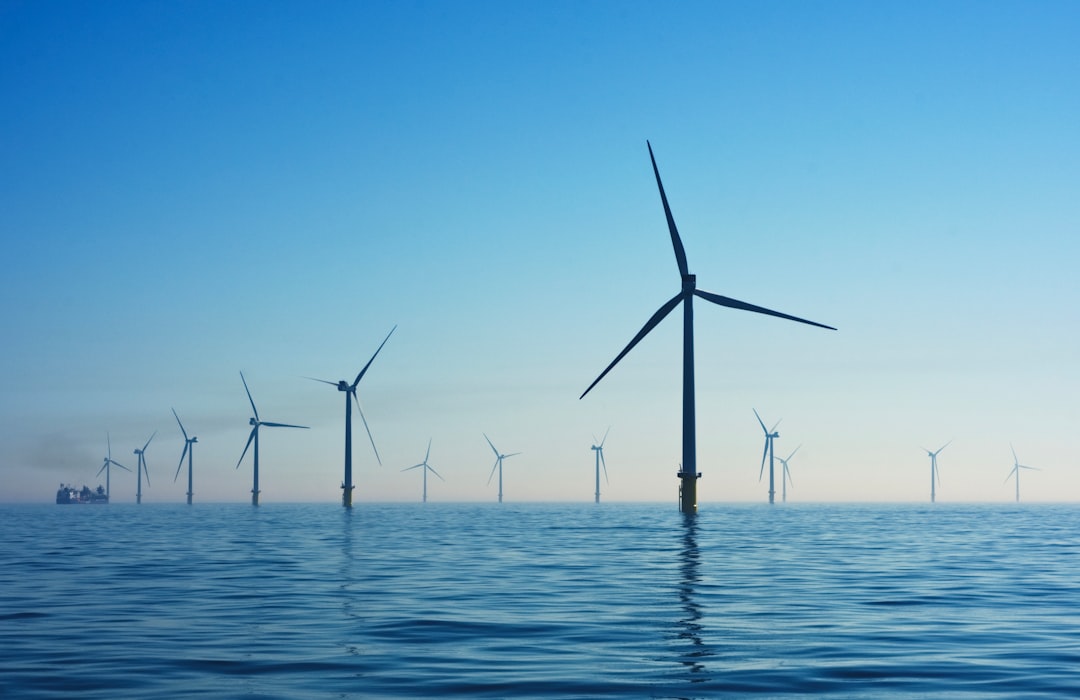
Photo by Nicholas Doherty on Unsplash
Last summer, marine biologist Dr. Sarah Chen was reviewing underwater footage from the Baltic Sea when she noticed something that made her pause the video. A ghostly white net, tangled around a rocky outcrop, swayed gently in the current. Inside it, the skeletal remains of what used to be a seal. The net had been there for years—maybe a decade. It wasn't actively being used by anyone, yet it was still hunting.
This scene plays out thousands of times per day across our oceans. Fishing nets, lines, traps, and buoys don't disappear just because they're abandoned or lost. They keep working. They keep killing. And we're only beginning to understand the scale of the problem.
The Numbers Behind the Nightmare
The statistics are staggering, though most people have never heard them. Approximately 640,000 tons of fishing gear are abandoned or lost in the ocean every single year, according to research from the UN Food and Agriculture Organization. That's roughly equivalent to the weight of 107 Statues of Liberty sinking to the ocean floor annually.
What makes this particularly sinister is that these nets don't just sit there harmlessly. Estimates suggest that abandoned fishing equipment catches and kills between 100,000 and 1 million marine animals every year. We're talking about fish, whales, dolphins, sea turtles, and seals—creatures that have no chance against ghost nets because they can't see them and can't escape once entangled.
Consider the case of the Wadden Sea, a shallow coastal region between the Netherlands, Germany, and Denmark. Marine cleanup crews have removed over 4,000 tons of fishing gear from this area alone since 2011. Each retrieval reveals the same tragic picture: networks of death that continued their grim work long after being abandoned.
The economic cost is equally troubling. Tourism industries, especially in coastal communities, lose hundreds of millions annually due to declining marine populations and polluted waters. Commercial fisheries themselves are sabotaged by their own abandoned gear—new fishing operations become less productive because ghost nets are already catching the fish.
Why Nets Get Abandoned (And Why Fishermen Don't Always Care)
Understanding how we got here requires looking at the fishing industry itself. Modern commercial fishing is brutal and efficient. Boats use massive trawling nets, sometimes larger than the Empire State Building is tall. When storms hit, nets get snagged on underwater structures. When equipment malfunctions, fishermen often choose the economically rational option: cut the line and move on.
In developing nations, where fishing regulations are looser and enforcement is nearly nonexistent, the practice is even more common. A damaged net might represent weeks of income, but replacing it is cheaper than attempting a dangerous recovery operation. Insurance rarely covers losses, and the environmental cost simply doesn't factor into the equation.
Some nets are intentionally abandoned. When fishing stocks decline in an area, crews move to new grounds, occasionally leaving behind equipment they consider more trouble than it's worth. Illegal fishing operations, which operate in international waters or protected zones, frequently abandon their gear when authorities approach. Why risk capture and fines by trying to retrieve evidence?
The result is an ever-growing graveyard of fishing equipment that nobody claims responsibility for. It's not technically anyone's property anymore. It's not anyone's problem—until you consider the millions of marine animals it kills.
The Mechanism of Death
Entanglement kills slowly. A sea turtle caught in netting experiences panic as it tries to surface for air. Its flippers, designed for swimming, become ineffective against synthetic fibers that don't stretch. The struggle damages tissue, introduces infection, and often results in the animal drowning within hours.
Fish experience something different but equally cruel. Once inside a net, escape becomes geometrically impossible. The more they struggle, the more they tighten the mesh around themselves. Some species aggregate in these nets, creating underwater traps that continue functioning as efficient killing machines decades after abandonment.
The psychological impact on marine mammal populations is significant too. Whales and dolphins that encounter ghost nets and survive often suffer permanent injuries—missing flukes, scarred skin, reduced mobility. These injuries make them vulnerable to disease and predation, effectively sentencing them to slow deaths anyway.
Perhaps most disturbing is the cumulative effect. A single net might catch hundreds of animals over its lifetime. Multiple that by thousands of nets in each ocean region, then multiply again by all the ocean regions worldwide. We're looking at an environmental catastrophe that operates entirely out of sight, out of mind.
Recovery Efforts and What's Actually Working
Some organizations have recognized the crisis and mobilized. The Ocean Conservancy runs cleanup programs in partnership with local fishing communities, training divers to safely retrieve and document ghost gear. In Southeast Asia, Fishing Communities Initiative works with fishermen to develop economic incentives for reporting lost equipment rather than abandoning it.
Technology offers some solutions. Biodegradable fishing nets made from materials that decompose within five years are being tested. Some regions now require tracking devices on fishing equipment, making it easier to locate and retrieve lost gear. A few countries have implemented deposit systems where fishermen must pay refundable fees for new nets, encouraging retrieval of damaged ones.
But these efforts remain underfunded and fragmented. International agreements about fishing standards exist, yet enforcement mechanisms are weak. A fisherman operating 200 miles offshore faces virtually zero consequences for abandoning a net.
What Actually Needs to Happen
The solution requires multiple approaches working simultaneously. Stronger international maritime law regarding fishing equipment accountability. Investment in alternative materials that naturally biodegrade. Support for fishing communities so they can afford to recover or properly dispose of damaged gear rather than leaving it behind.
Individual choices matter too. Supporting sustainable fishing certifications, reducing seafood consumption, and advocating for ocean protection policies all help. Understanding that our food choices have direct consequences on the animals we never see helps build political will for change.
The problem extends beyond ghost fishing itself. Ghost fishing represents just one facet of industrial fishing's environmental devastation, though it's perhaps the most invisible and persistent one.
Sarah Chen, the marine biologist I mentioned earlier, now leads a team dedicated to removing ghost gear from protected marine zones. When I asked her what keeps her motivated despite the enormity of the problem, she said something simple: "Someone has to witness it. Someone has to care. Otherwise, it just continues, and we pretend it's not happening." She's right. The oceans are already grieving. The question is whether we'll finally listen.
Comments (0)
No comments yet. Be the first to share your thoughts!
Sign in to join the conversation.